Last updated November 21, 2026
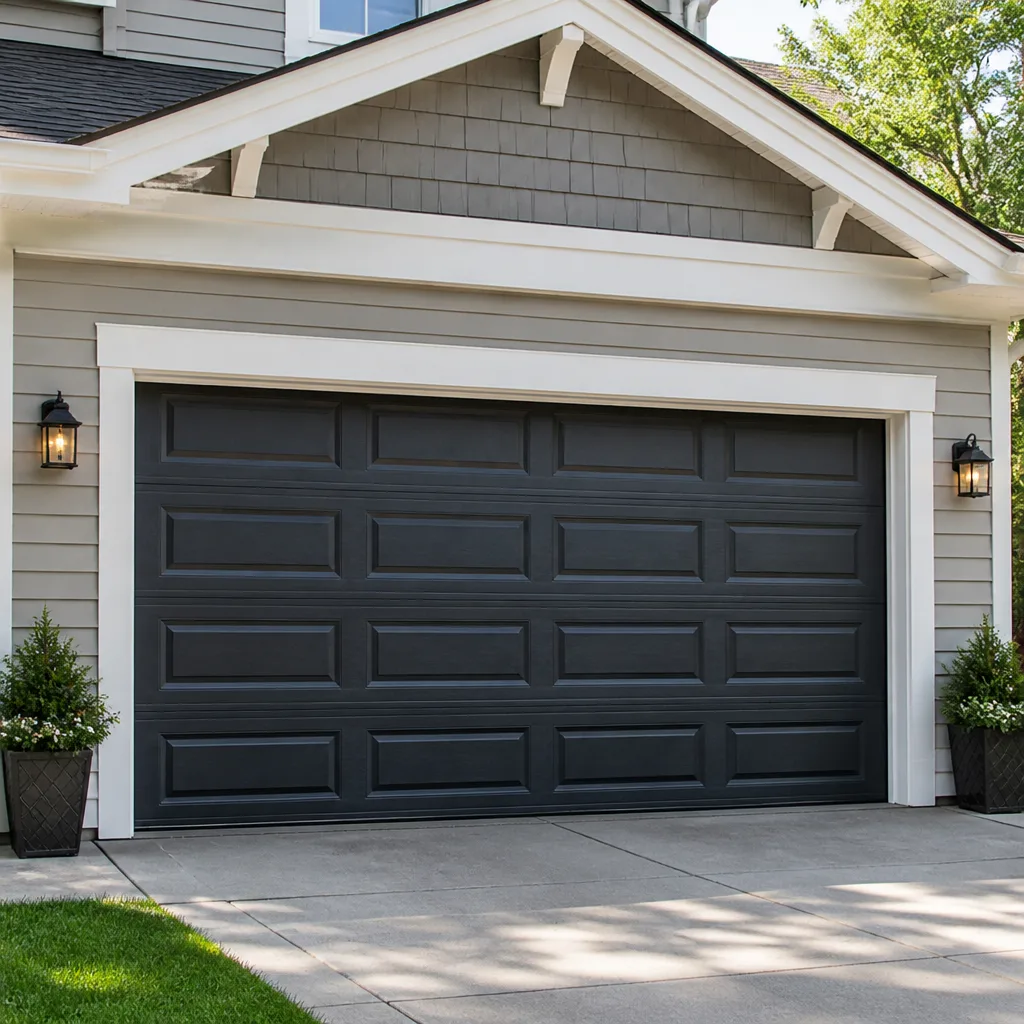 Raised-panel steel
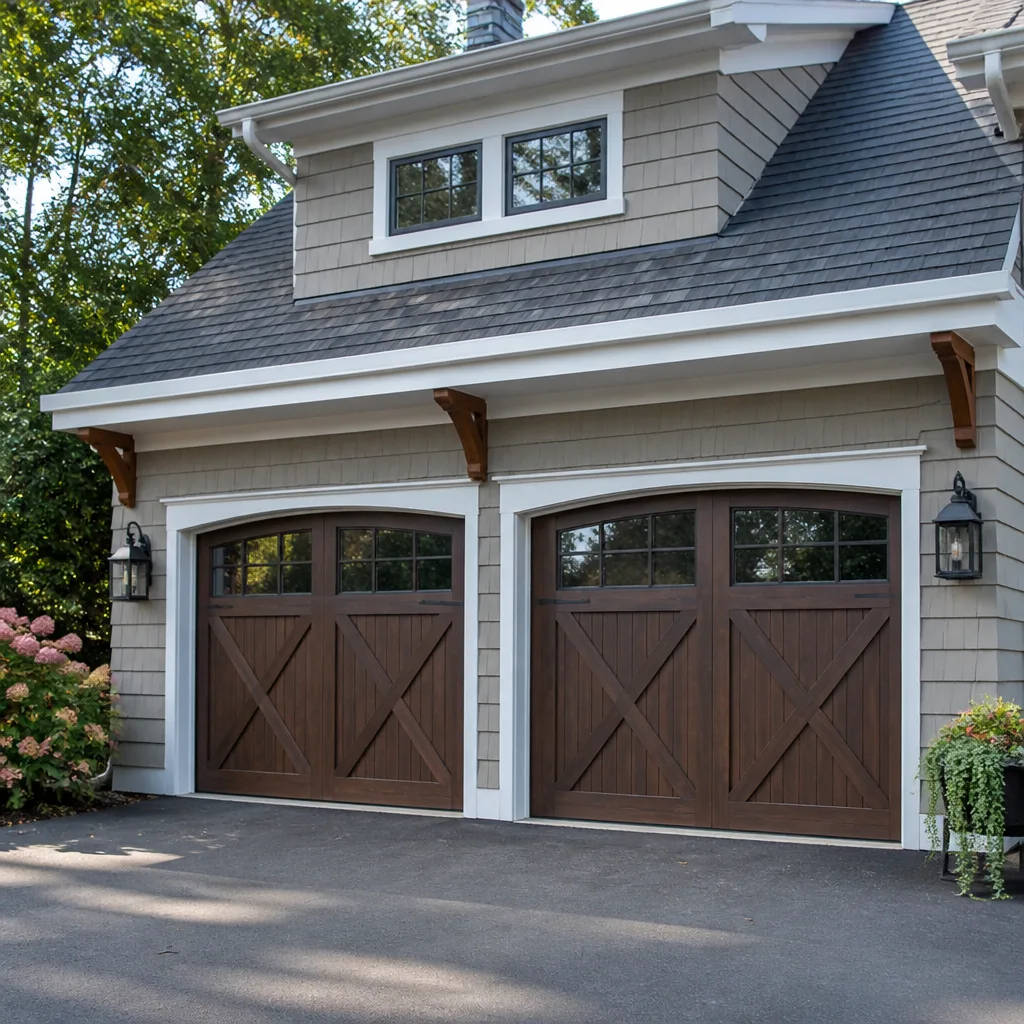 Carriage house
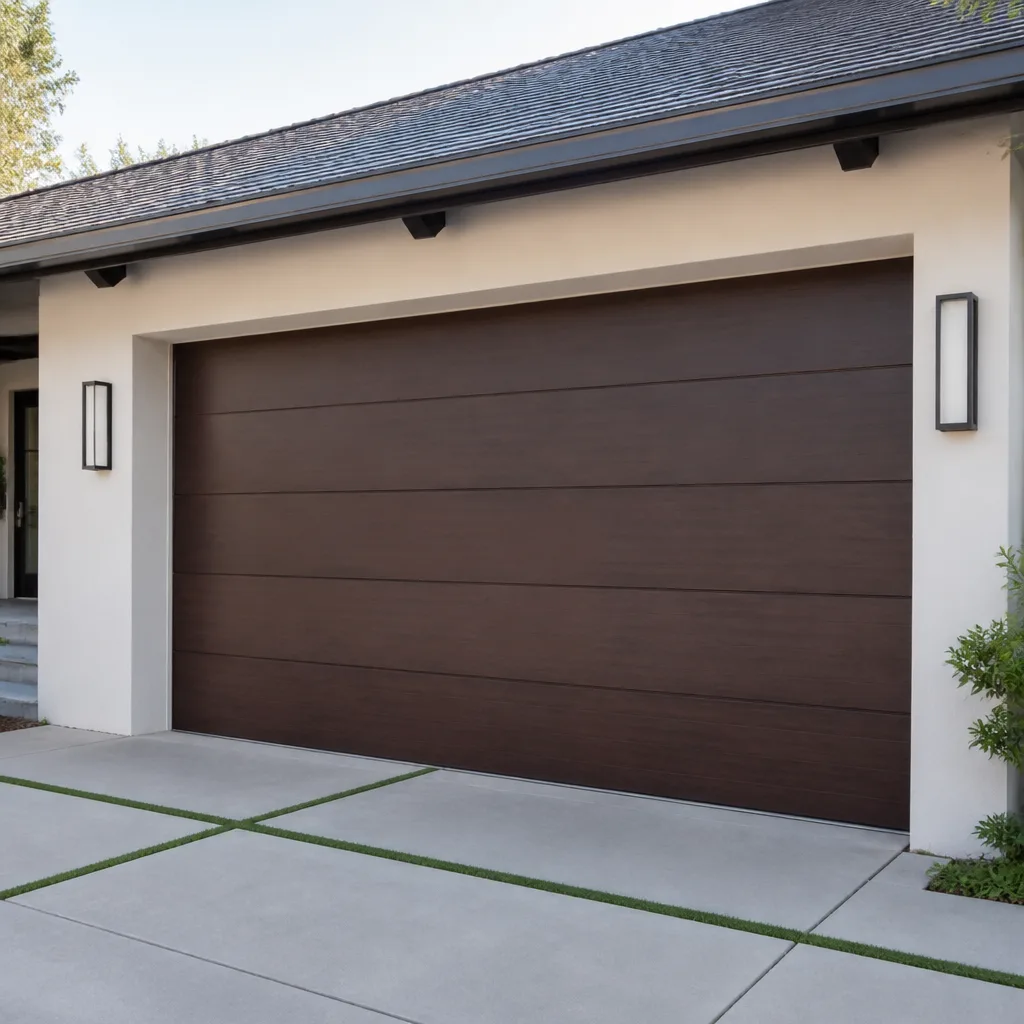 Modern flush
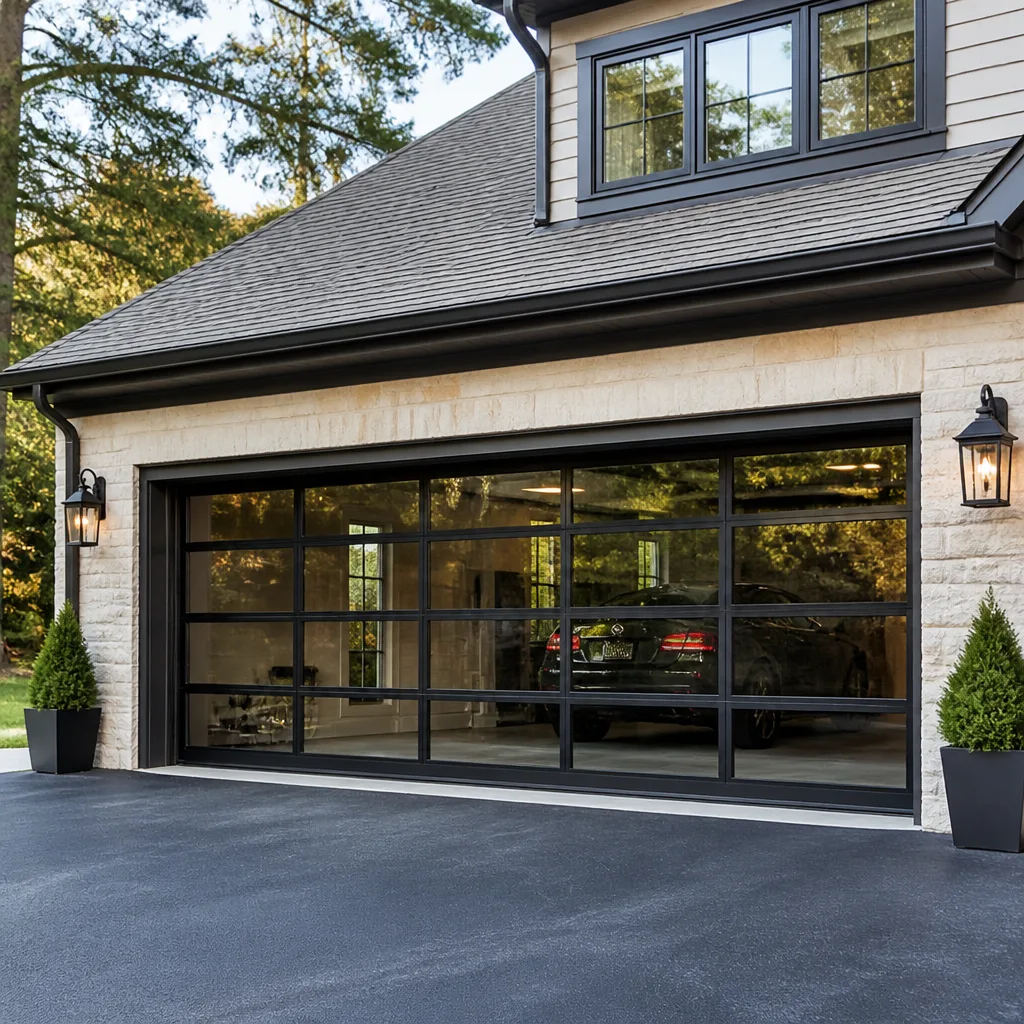 Full-view glass
 LiftMaster openers
 Chamberlain openers
Full 25-point door and opener safety check with every visit - springs, cables, rollers, tracks, and your LiftMaster or Chamberlain opener included
You get a price before we start. It does not change when the pro arrives.
Get your free estimateGarage Door Repair Maintenance Checklist for Greater East Side Homeowners
Most garage doors that fail in spring in Greater East Side don’t fail because the homeowner did nothing. They fail because the homeowner did the right tasks in the wrong order. Test the opener first, hear it hum, assume the door is fine, and a frayed cable or a stressed spring goes unnoticed for another season. Then it lets go. This guide sequences maintenance around how doors actually break in a Minnesota climate, not how a manufacturer’s generic annual PDF says to check them. You’ll learn what to inspect after the thaw, what to prep before the first hard freeze, which tasks you can safely handle, which ones you shouldn’t touch, and how a simple photo-and-date log catches problems before they become emergency calls.
Quick Answer
A garage door maintenance checklist for a Greater East Side home should be split into two seasons: a full inspection in spring once the ground has thawed, and a prep pass in late fall before temperatures drop below freezing. The spring pass focuses on cables, springs, tracks and seals for winter damage; the fall pass focuses on lubrication, balance and weather sealing. Anything involving springs, cables or the torsion assembly should go to a technician, not to you.
Styles & brands we work with
- Raised-panel steel
- Carriage house
- Modern flush
- Full-view glass
- LiftMaster openers
- Chamberlain openers
Table of Contents
- Why the Order of Your Checklist Matters More Than the List
- The Spring Post-Thaw Checklist
- The Pre-Winter Prep Checklist
- Cold-Climate Warning Signs Specific to Greater East Side Garages
- What You Can Safely Check vs. What Needs a Technician
- How to Log Maintenance So You Spot Patterns Early
- The Three Maintenance Skips That Lead to Emergency Calls
- Common Mistakes to Avoid
- When to Call a Professional
Why the Order of Your Checklist Matters More Than the List
The standard garage door maintenance list floating around the internet is roughly the same everywhere: lubricate the rollers, check the balance, test the safety reverse, look at the springs. That order was written for a mild climate and a door with no seasonal stress. In Greater East Side, it puts the least diagnostic test first. You push the button, the opener runs, the door lifts, you cross “test opener” off, and you skip the part that would have caught a slack cable.
Here’s the principle: the opener is the last thing to test, not the first. When the opener is doing its job, it masks a lot. It yanks a door up even when the spring is carrying too much load, or when one cable is doing more work than the other. A door that opens smoothly from the outside tells you almost nothing about the state of the high-tension parts inside.
We’ve found the safer sequence runs like this:
- Visual walk-around with the door closed and the opener disengaged. This catches cables, spring condition, track alignment and seal damage without the machine hiding anything.
- Manual lift test with the opener disconnected, to feel whether the door is balanced and whether it lifts without strain.
- Lubrication on the parts you’re allowed to touch: rollers, hinges, the torsion bar bearings (not the spring itself), and the track surfaces.
- Seal and weatherstrip inspection, which is the cold-climate failure point most homeowners miss entirely.
- Opener and safety reverse test, last, because once you’ve confirmed the door itself is sound, the opener test actually tells you something.
That sequence is the backbone of everything below. It’s also why this checklist is broken into two seasons: the parts you’re inspecting differ from March to November, and so does the order. Our Garage Door Repair Greater East Side page covers the full range of what we handle if you’d rather compare a professional inspection against your own.
The Spring Post-Thaw Checklist
Spring in Greater East Side is when a door’s winter damage becomes visible. Frost heave has shifted the ground under the concrete, the road salt has done its work on the bottom seal, and the springs that were cycling through sub-zero nights have been through an enormous number of temperature swings since October. This pass is about catching what the winter did.
Work through these in order, with the door closed and the opener disconnected:
- Walk the door closed and look at the bottom seal. Frozen ground and ice dams against the door leave the rubber seal cracked, torn, or compressed flat. A seal that no longer touches the floor lets in cold air and water.
- Look at the springs without touching them. A torsion spring has a visible gap in it when it has broken; an extension spring shows a stretched section or a hook that’s come loose. Note the color painted on the spring, which identifies its rating, in your log.
- Inspect both lift cables. Look for frayed strands, kinks, or rust. A cable that looks fuzzy at the drum end is closer to failing than it looks.
- Check track alignment by sighting down each vertical track. They should be straight and parallel. A gap or bend usually comes from a hit, not from age, and it will wear rollers quickly.
- Check the hinges and roller stems for play, and look for rollers that are flat-spotted or cracked.
- Disconnect the opener and lift the door halfway by hand. It should lift easily and hold its position when you let go at the halfway point. If it drops or feels heavy, the spring is losing tension.
- Reconnect and test the opener and safety reverse last. Put a roll of paper towel in the door’s path and confirm the door reverses on contact, and test the photo-eye by blocking it with your leg.
One thing to note about spring color: two springs of different colors on the same door are a warning sign, not a curiosity. It usually means someone replaced one spring with whatever was on hand, which puts uneven load on the door and the remaining spring. If you see that, get it looked at.
The Pre-Winter Prep Checklist
The fall pass is the one that actually prevents winter emergency calls, and it’s the one most homeowners skip because nothing is obviously wrong yet. Greater East Side garages see temperatures that swing from above freezing during the day to well below at night for weeks, and that cycle is hard on lubricant, seals and metal.
Do this before the first hard freeze:
- Lubricate everything that moves but isn’t under tension. White lithium grease or a dedicated garage door lubricant on the rollers, hinge pivots and torsion bar bearings. Do not spray the spring itself, and do not use WD-40 as a substitute; it’s a solvent, not a lubricant, and it will wash out what’s there.
- Test the balance again. If the door is harder to lift by hand than it was in spring, the springs have lost tension over the summer and will only get worse in the cold.
- Look at the weatherstrip on the sides and top as well as the bottom seal. Cold air gets in through the top seal and freezes the door to the frame.
- Check the opener’s force setting. If the opener is straining to close the door, it may be fighting a seal that’s swollen or a track that’s out of line. Don’t turn the force up to compensate; find out why it’s straining.
- Clear the photo-eye lenses and the area around the door’s path. A leaf or a cobweb across the eye will stop the door at the worst moment.
- Check the door’s paint or finish. Bare wood or a chipped edge on a steel or wood door will take on moisture, freeze, and split over the winter. A coat of exterior paint or stain before the freeze is worth more than any part you can buy.
Write down the balance result and the date. That number is what you compare against next spring, and it tells you more about your springs than any label on them.
Cold-Climate Warning Signs Specific to Greater East Side Garages
Garage doors fail in cold climates differently from how they fail in mild ones. The following indicators are the ones that show up again and again in Greater East Side garages after a Minnesota winter, and they’re the ones a generic checklist won’t mention.
- Bottom seal damage from freezing. When meltwater runs under the door and refreezes, the seal gets bonded to the concrete and tears the next time the door opens. A seal that’s split along the edge or compressed so it no longer touches the floor is a cold-climate failure, not normal wear.
- Spring metal fatigue from temperature cycling. Steel contracts in the cold and expands in the heat. A torsion spring goes through that cycle daily from November to March, and it doesn’t bend the way it does in a warm climate. Springs in Greater East Side tend to fail at the ends first, where the stress concentrates.
- Lubricant breakdown in sub-zero temperatures. Cheap lubricant thickens to the consistency of paste when the temperature drops, which forces the opener to work harder and wears the rollers. If your door sounds labored on the coldest mornings, the lubricant is the first thing to look at.
- Track movement from frost heave. The ground under the slab moves in a hard freeze and shifts the vertical track out of plumb. It’s rarely visible until the door starts binding on one side.
- Condensation on metal panels and hinges. Cold metal in a warming garage condenses moisture, and that moisture sits in the hinge pivots and the bottom roller brackets. Rust there is a sign to check the rest of the door.
- Opener strain in the cold. A opener that’s fine in July and struggling in January is telling you the door’s balance or its lubricant has changed. Both are worth checking before you blame the motor.
If you hear a sharp bang from the garage in the cold, stop what you’re doing. A broken torsion spring is one of the most dangerous failures in a home, and it’s the single most common reason a Greater East Side homeowner calls us for same-day garage door repair in the winter.
What You Can Safely Check vs. What Needs a Technician
This is the section most guides get wrong by being vague. There is a clear line, and it’s not “anything that requires tools.”
What you can safely check and document yourself
- Visual inspection of springs, cables, tracks and hinges with the door closed and the opener disconnected.
- Lubrication of rollers, hinges and torsion bar bearings with a proper garage door lubricant.
- Manual lift and balance test at the halfway point.
- Safety reverse test with a roll of paper towel or a scrap piece of wood.
- Photo-eye test by blocking one eye with your leg.
- Bottom seal and weatherstrip inspection and replacement.
- Cleaning the door, the tracks and the photo-eye lenses.
- Checking and tightening the bolts you can reach on the hinges and the track brackets.
What needs a technician, without exception
- Anything involving the torsion spring or extension springs. These are under an enormous amount of tension, and a spring that lets go while you’re near it can cause serious injury. There is no safe way to adjust, wind or remove one without the right tools and training.
- Cable replacement or adjustment. The cables are what carry the spring’s force, and they’re live whenever the door is up. A cable that’s loose, kinked or frayed is not a DIY job.
- Track realignment if the door is binding, since getting a track back in line without damaging the door or the panels takes know-how.
- Panel replacement or door replacement after a hit or a bend.
- Opener force-limit and travel-limit adjustment if it needs more than a small tweak. A mis-set opener that runs the door into a stopped object can break the door or the opener.
We don’t say this to sell a service call. We say it because springs and cables are the part of the system that has injured people, and a trained technician with the right winding bars is the only safe way to work on them. Our technicians have up to 15 years of experience with high-tension components, and that’s the level of care this job needs. If you want to understand what happens when the spring does fail, our garage door opener repair page covers how the opener behaves when a spring lets go and how we diagnose the difference.
How to Log Maintenance So You Spot Patterns Early
A smart-home app can tell you the door opened at 7:14 a.m. and closed at 7:16 a.m. It won’t tell you the door was harder to lift than it was six months ago. That’s the pattern you actually care about, and it’s caught with a photo and a date.
Keep a simple log on paper or in a notes app. Every time you do a maintenance pass, write down:
- The date and the outdoor temperature.
- A photo of the springs with the door closed (so the spring color and the gap are visible).
- A photo of the cables at the drum end.
- A photo of the bottom seal, taken close up.
- The manual lift result: easy, firm, or heavy, and where the door held at halfway.
- Any new noises, and when they happen (opening, closing, or both).
- Any bolts you tightened.
The photos matter more than the words. A photo of a spring in March next to a photo of the same spring in November tells you instantly whether it has sagged. A photo of the seal shows a crack that was invisible by eye. And if you do end up calling us, those photos save ten minutes of diagnosis, because the technician can see the history of the door rather than just its condition today. That’s the kind of detail that makes a garage door installation conversation easier too, if you’re at the point of replacing rather than repairing.
One more thing: log the date you last lubricated the door. Most homeowners can’t remember whether it was this spring or last, and the answer is always “it’s been too long.”
The Three Maintenance Skips That Lead to Emergency Calls
The same three skipped tasks account for a huge share of the winter and spring emergency calls we get in Greater East Side. None of them are hard, and all of them are easy to forget.
1. Skipping the fall lubrication
Lubricant is what keeps the rollers turning and the hinges from seizing. When it breaks down in the cold, the opener has to force through the resistance, which strains the motor and wears the rollers flat. A door that hasn’t been lubricated since fall will start to sound labored on the coldest mornings, and that’s the door that breaks its spring in January. Fifteen minutes with a can of proper garage door lubricant in October is the cheapest insurance against a winter emergency call.
2. Ignoring a slow balance change
Springs don’t fail without warning. They lose tension gradually over months, and the door gets harder to lift by hand a little at a time. Because the change is gradual, the homeowner’s muscle memory adjusts and it never feels wrong. The log is what catches it. If the door was “easy” in spring and it’s “heavy” in fall, the spring is on its way out, and replacing it scheduled is far cheaper in time and stress than replacing it at 6 p.m. on a night when the car is inside and the door won’t open.
3. Never checking the bottom seal
A torn seal lets water under the door, and that water freezes, and the ice tears the seal further. It also lets in cold air, which keeps the garage below freezing and makes the whole door’s cycle harder. This is the single most overlooked maintenance item on the list, and it’s also the easiest to fix. If your bottom seal is cracked, torn or compressed flat, replacing it before the first freeze is one of the highest-value things you can do.
Missing all three is how a door that “seemed fine” turns into a same-day emergency call. If you’re already there, call us at (866) 989-9389 and we’ll get a technician out to look at it.
Common Mistakes to Avoid
- Testing the opener first. As covered above, an operating opener hides cable and spring problems. Do the visual and manual checks with the opener disconnected, and save the opener test for last.
- Lubricating the spring itself. It feels like the right thing to do and it’s exactly wrong. A lubricated spring collects grit and holds it against the metal, and lubrication also makes a spring harder for a technician to wind safely. Keep the lubricant on the rollers, hinges and bearings.
- Using WD-40 as a lubricant. It’s a solvent, and it will wash out the grease that’s already there, which makes the cold-temperature problem worse rather than better. Use a purpose-made garage door lubricant or white lithium grease.
- Turning up the opener’s force setting to fix a door that’s binding. A door that’s harder to move is telling you the spring or the track needs attention. Raising the force just makes the opener work harder against the real problem and pushes the door toward a spring failure.
- Tightening the torsion spring’s set screws to “fix” a sagging door. The set screws hold the spring to the torsion bar, and over-tightening them can crack the spring’s end cone. This is a technician’s job, not a homeowner’s.
- Ignoring a single popped rivet or a bent track bracket. One small bent piece means the door isn’t running true, and running it that way wears the rollers, the hinges and eventually the spring faster than any other cause.
- Forgetting to log the date of the last lubrication. The most common answer we get when we ask is “I think it was this spring.” It always turns out to be longer ago than that.
When to Call a Professional
Call a professional before you touch anything if you see a broken spring (a visible gap in the torsion spring or a stretched extension spring), a frayed or kinked cable, or a door that will not lift by hand. Call if the door is binding, if a track is bent or out of plumb, if the opener runs but the door doesn’t move, or if you hear a loud bang from the garage. Call if a car has hit the door or if a panel is bent. And call if you’re simply not sure what you’re looking at, because a short inspection now is cheaper than an emergency later. Garage Door Repair Greater East Side offers free estimates in Greater East Side; call (866) 989-9389 and we’ll tell you what we see and what it’ll take to fix it, before any work starts.
See the difference
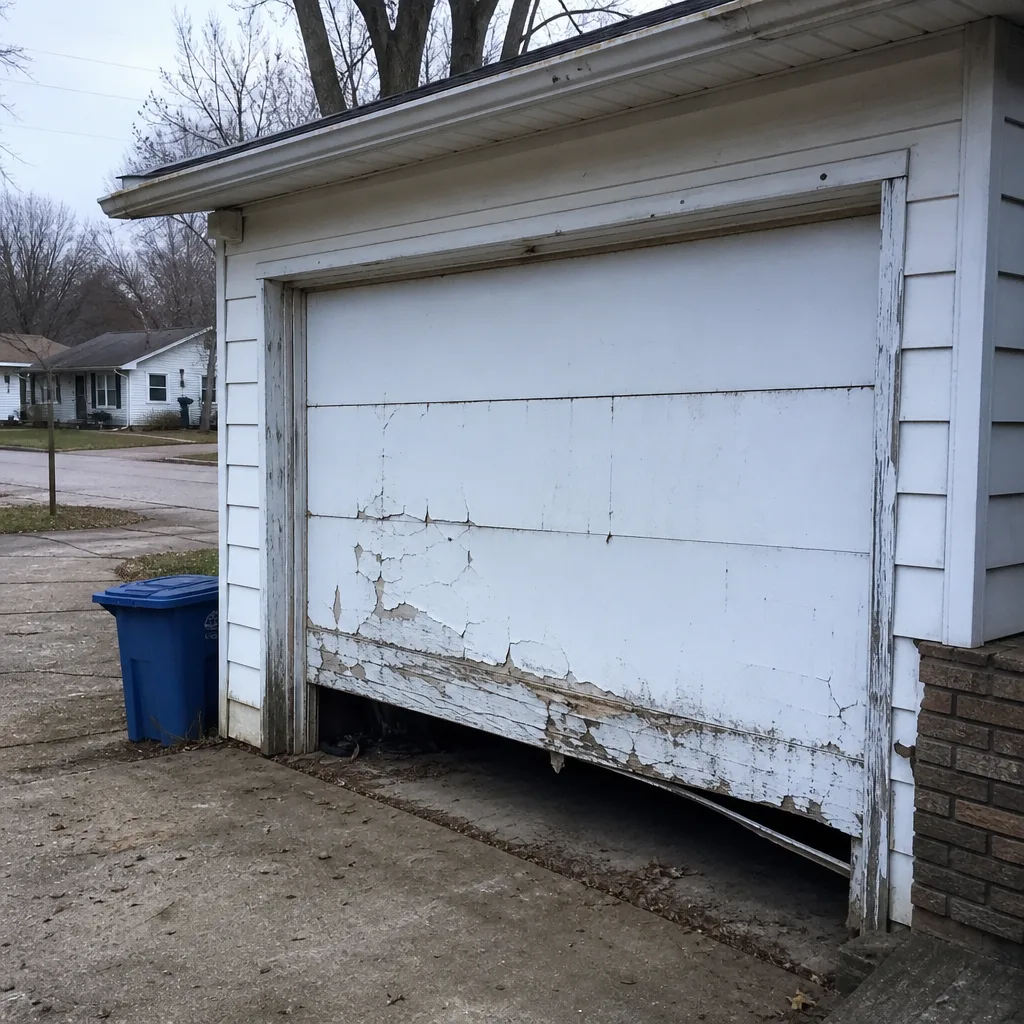 Before
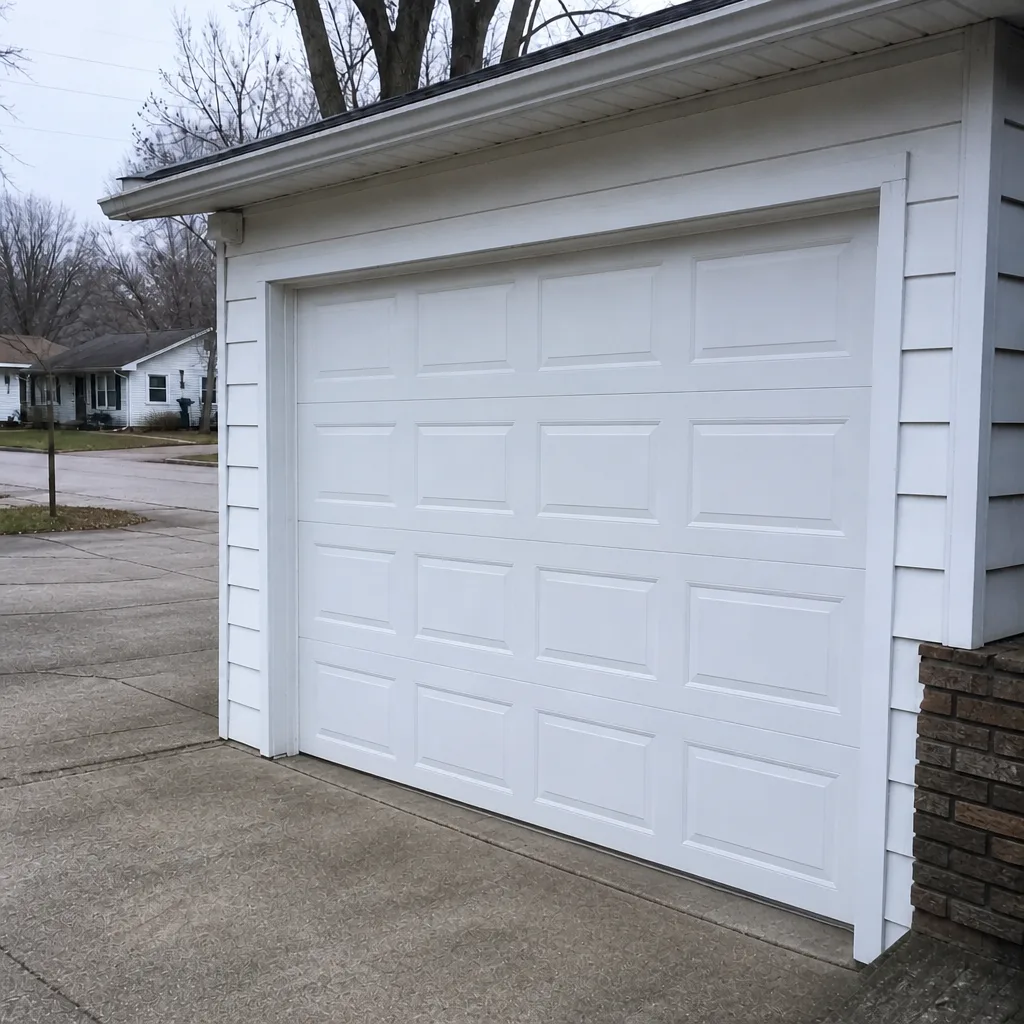 After
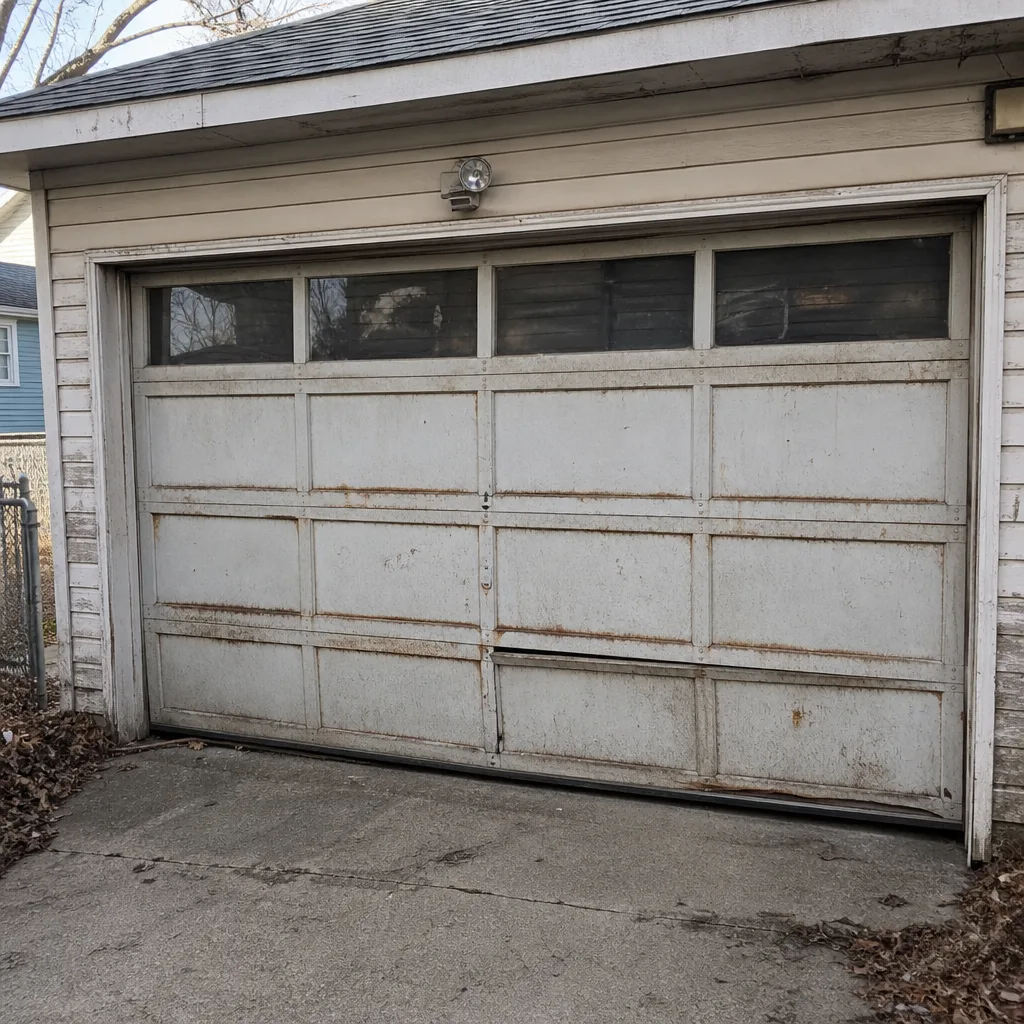 Before
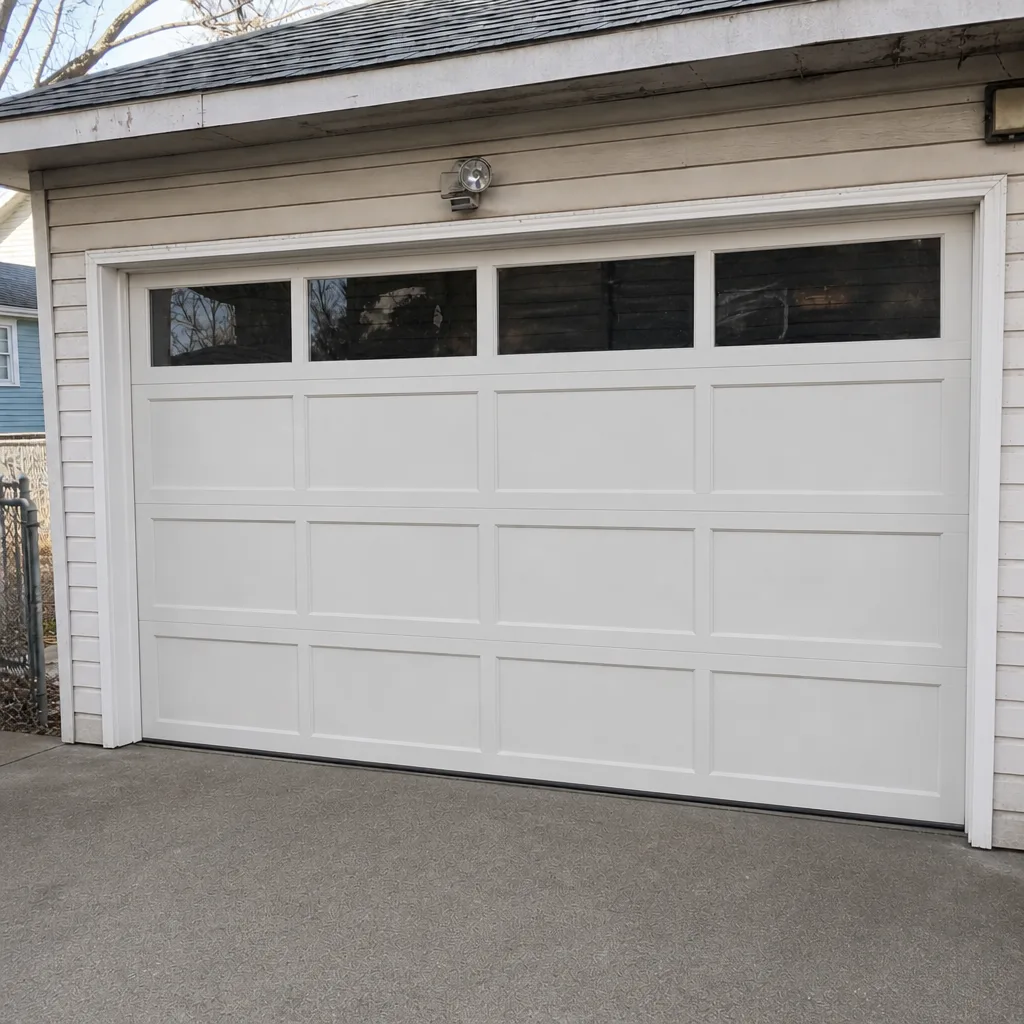 After
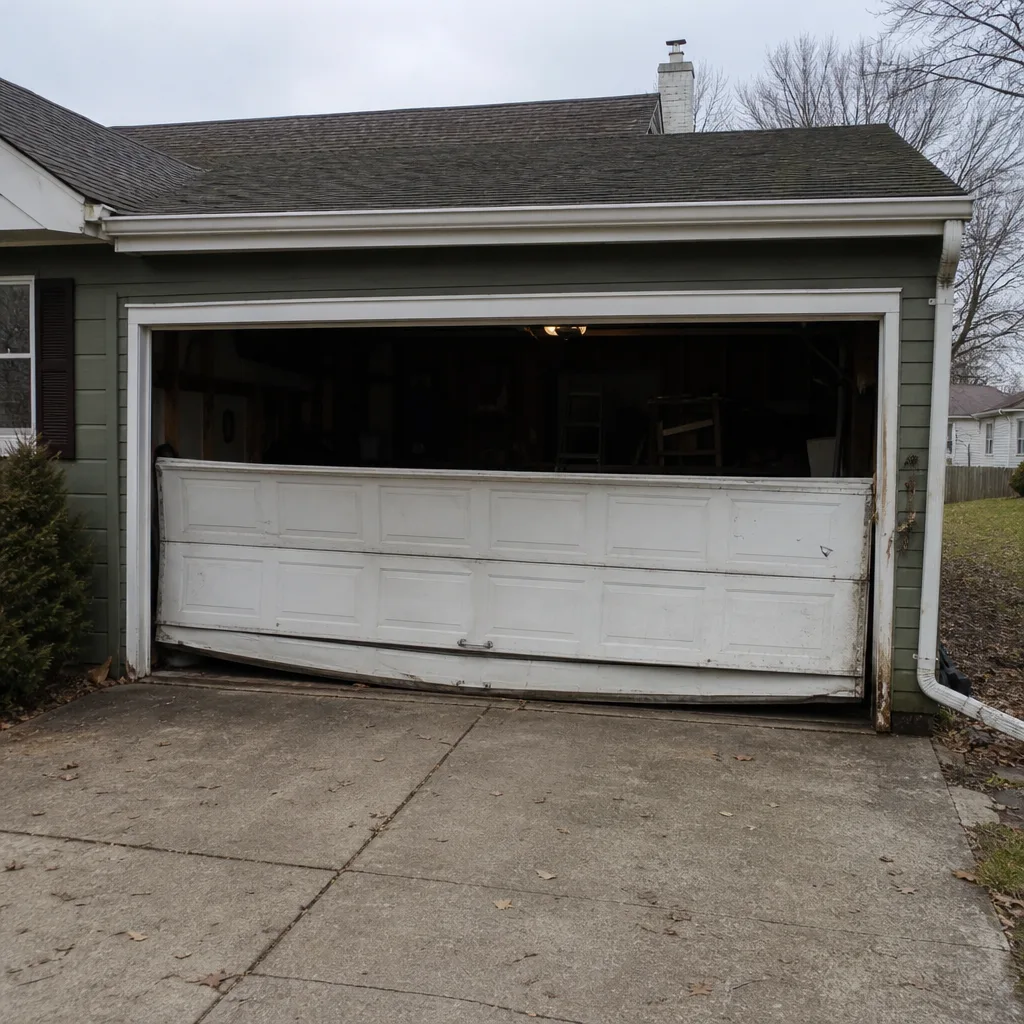 Before
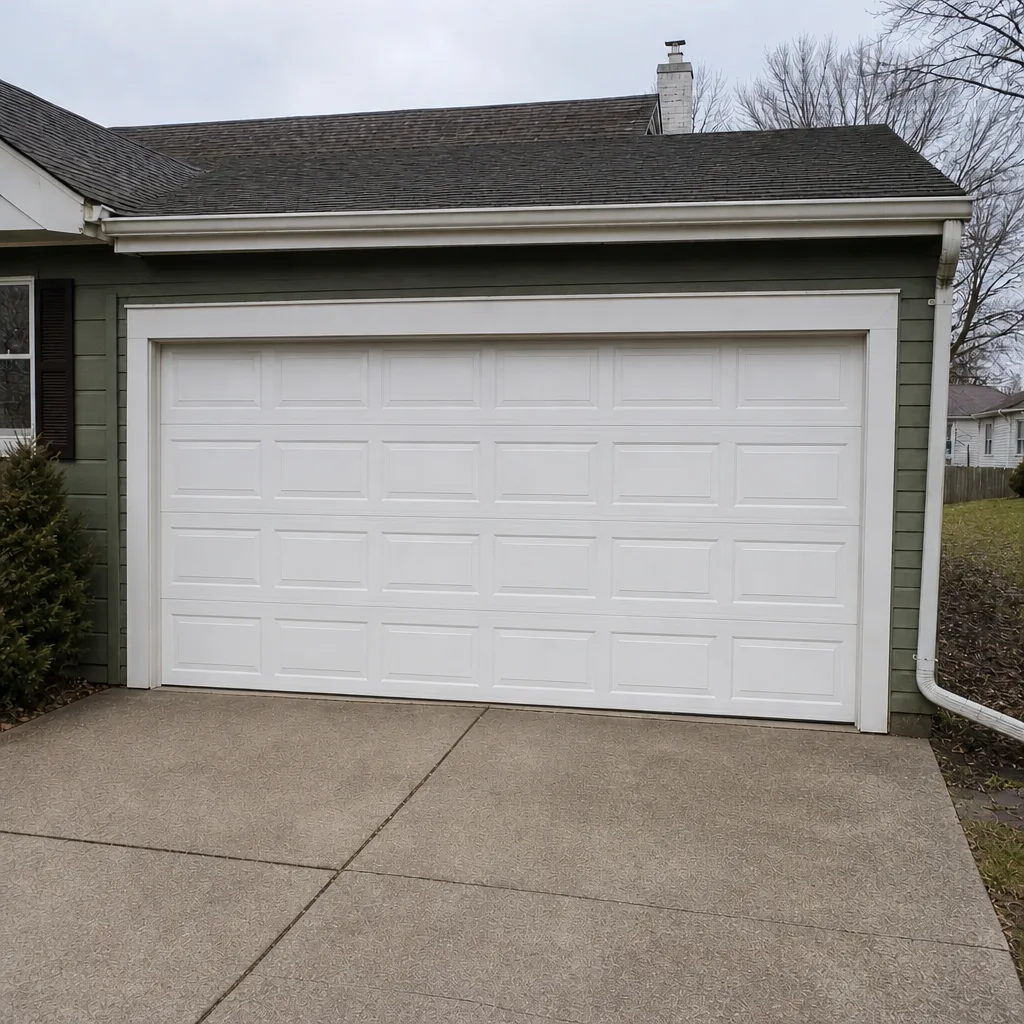 After
Frequently Asked Questions
A garage door in Greater East Side should get a full inspection once a year, and a lighter lubrication-and-balance check twice a year, once in spring after the thaw and once in fall before the first freeze. The annual inspection is the one that catches spring fatigue and cable wear; the twice-yearly check is what keeps the door running smoothly in the cold. If you use the door heavily, or if it’s over ten years old, a spring-and-cable inspection every year is worth it.
No, and this is the one item on the checklist we insist on. Torsion and extension springs are under enormous tension, and a spring that lets go while you’re standing near it can cause serious injury. A technician with the right winding bars and training is the only safe way to replace or adjust a spring. Call (866) 989-9389 for spring repair instead of attempting it yourself.
The cost depends on what’s wrong, and the honest answer is that nothing gets quoted until a technician has seen the door. A spring replacement, a cable replacement, a track realignment and an opener repair are all different jobs with different parts, and the written estimate you get after the inspection is the price you pay. There’s no obligation to accept it, and the estimate is free.
Cold weather thickens the lubricant on the rollers and hinges, and metal parts contract slightly, both of which make the door sound more labored. A door that’s quiet in summer and loud in winter is a signal to re-lubricate with a proper garage door lubricant. If the noise continues after lubrication, or if it’s a sharp bang, stop operating the door and call a technician, because it may be a failing spring.
Look at the bottom seal with the door closed. If it’s cracked along the edge, torn, or no longer touching the floor, it needs replacing. In Greater East Side, the freeze-thaw cycle is especially hard on bottom seals, so an annual inspection in spring is worth the ten minutes. A seal that’s flat but intact can often be shimmed; a seal that’s torn needs a new one.
We work on almost every major brand, including Clopay and Amarr doors and Chamberlain and Genie openers, so there’s no compatibility runaround. If you have a mixed setup, like a Clopay door with a Chamberlain opener, we can service both in one visit. Call (866) 989-9389 to confirm your specific model before the appointment if you want to be sure.
The Bottom Line
Maintenance on a garage door in Greater East Side is not about doing more tasks. It’s about doing the right tasks in the right order, at the right time of year. The spring pass catches winter damage before it becomes a summer emergency; the fall pass prevents the winter failures that cause most of our emergency calls. Springs and cables are the line you don’t cross yourself, and everything else on the list is within reach of a careful homeowner with a can of lubricant and a photo log. Do the checks, keep the log, and call when the spring tells you it’s time.
If you’d rather have a technician look at the door than do the inspection yourself, or if you’ve already spotted something that needs attention, we’re here. Call (866) 989-9389 for a free estimate, and we’ll give you a written price before any work starts.
Written by the team at Garage Door Repair Greater East Side.