Last updated November 21, 2026
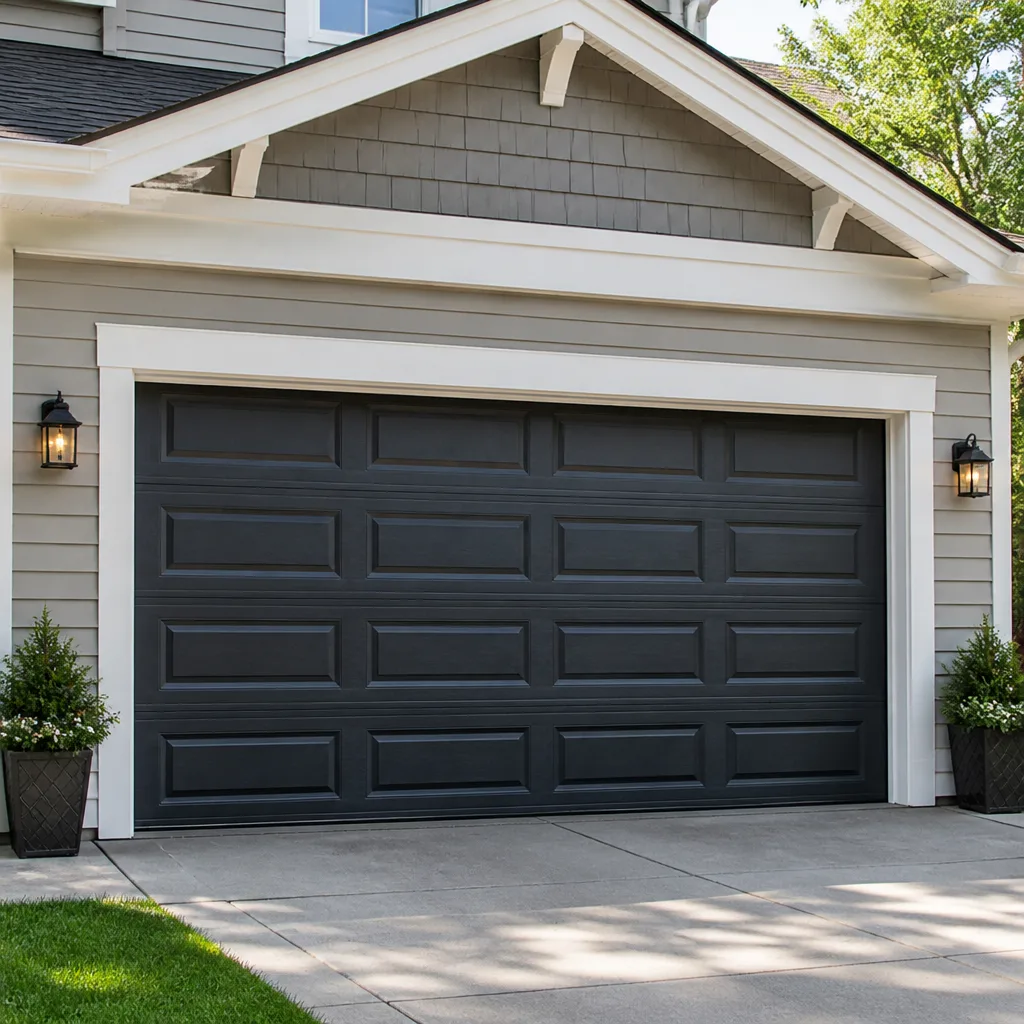 Raised-panel steel
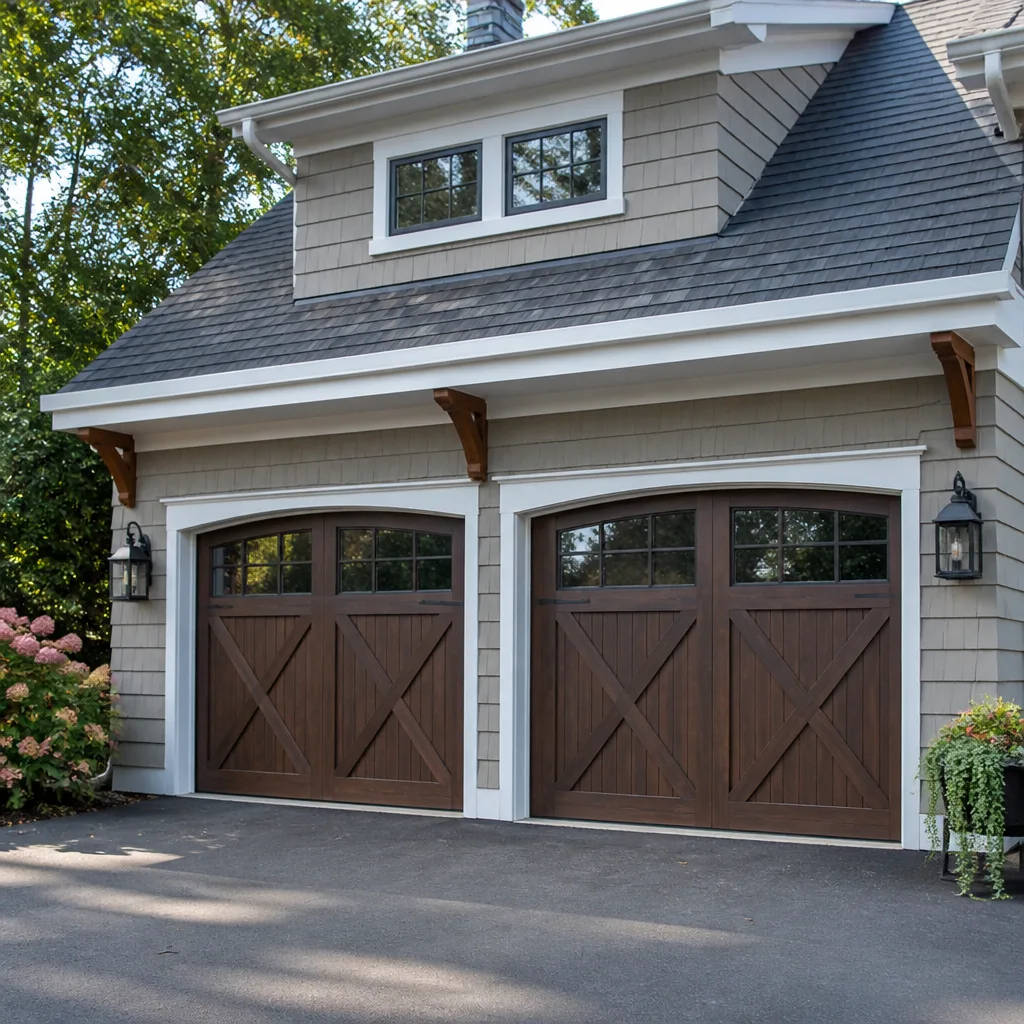 Carriage house
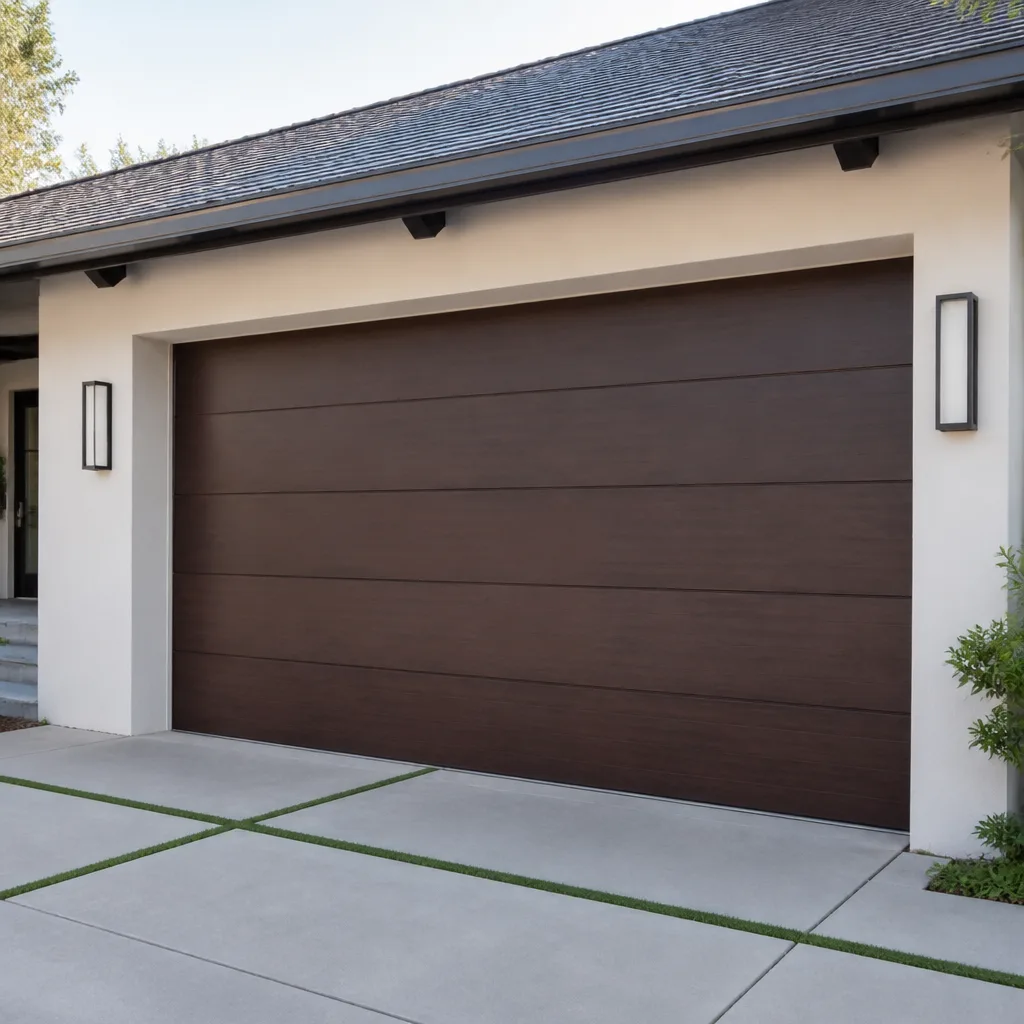 Modern flush
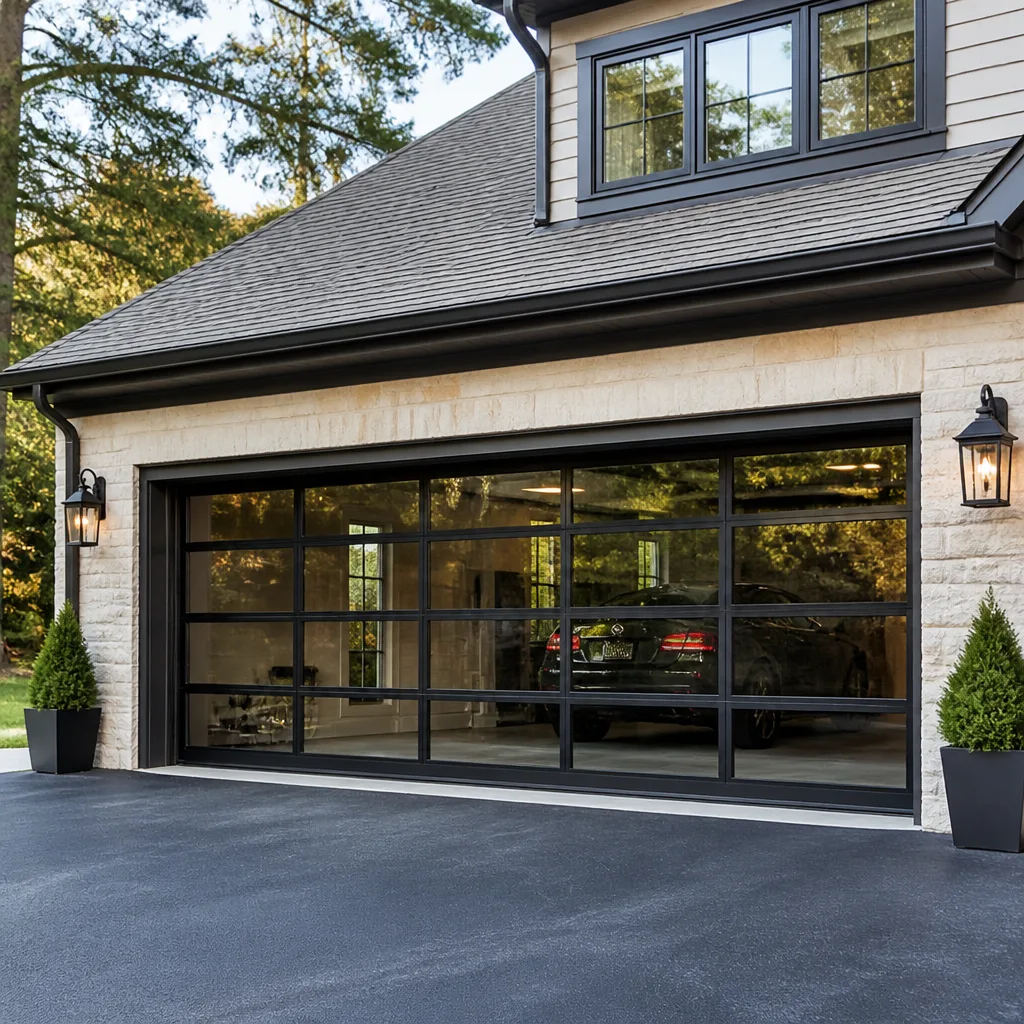 Full-view glass
 LiftMaster openers
 Chamberlain openers
Full 25-point door and opener safety check with every visit - springs, cables, rollers, tracks, and your LiftMaster or Chamberlain opener included
You get a price before we start. It does not change when the pro arrives.
Get your free estimateSeasonal Garage Door Care for Greater East Side: Year-Round Homeowner’s Guide
Here’s the counterintuitive part: spring is when most garage door failures happen in Minnesota, and spring weather has almost nothing to do with it. Winter does the damage. Five months of freeze-thaw cycles work on your springs, bottom seal, and rollers while the door sits mostly closed, and the damage stays quiet until the first warm week when you start using the door normally again. That’s when the spring snaps or the door starts binding. In this guide, we map each Greater East Side season to the specific failure it creates, so you’re working on the right problem at the right time instead of guessing.
Quick Answer
Garage door care in Greater East Side follows the seasons, not the calendar: inspect and replace the bottom seal in spring after freeze-thaw, watch tracks and wood doors for heat and humidity shifts in summer, lubricate with a cold-rated product and tune the door in fall before the first hard freeze, and never force a frozen door in winter. Most failures homeowners blame on the opener are actually seasonal wear on springs, seals, tracks, and rollers.
Styles & brands we work with
- Raised-panel steel
- Carriage house
- Modern flush
- Full-view glass
- LiftMaster openers
- Chamberlain openers
Table of Contents
- Why Greater East Side Seasons Break Doors Differently
- Spring: The Damage Report From Winter
- Summer: Heat, Humidity, and Misdiagnosed Opener Problems
- Fall: The Pre-Winter Prep Sequence
- Winter: Frozen Doors and Opener Burnout
- Your Printable One-Page Seasonal Calendar
- Common Mistakes to Avoid
- When to Call a Professional
Why Greater East Side Seasons Break Doors Differently
A garage door is a system of moving parts under constant tension, and every one of those parts expands, contracts, or stiffens with temperature. In Greater East Side, the swing between a humid summer and a hard Minnesota winter is wide enough that the same door behaves like two different machines in July and January. Metal tracks grow and shift in heat. Wood panels swell with humidity and shrink in dry cold. Rubber seals go from pliable to brittle. Lubricant that flows freely at 70 degrees can turn to gum at zero.
That’s why a single “annual maintenance” checklist doesn’t work here. The problems that show up in April are winter’s leftovers. The problems that show up in January started as fall oversights. Each season has its own failure mode, and each one needs a different response.
What makes this manageable is knowing the sequence. When you understand which season stresses which component, you stop treating every weird noise or sluggish movement as a mystery and start recognizing it as the predictable result of the weather that just passed. Our technicians have up to 15 years of experience working on doors through these exact cycles, and the pattern holds: the homeowners who stay ahead of the seasons spend less time dealing with surprise breakdowns.
Greater East Side homes also tend to have attached garages that share walls with living space, which raises the stakes. A door that binds or a seal that fails isn’t just a garage problem. It affects the room next to it. Keep that in mind as you read the seasonal sections below.
Spring: The Damage Report From Winter
Spring is inspection season, not repair season, even though repairs often follow. The freeze-thaw cycle that runs through a Greater East Side winter stresses your door in ways that don’t show up until temperatures climb and the door starts cycling normally again. When the door finally opens and closes several times a day, the cracks, stiffness, and misalignment that built up over the cold months become obvious.
What to inspect first
- The bottom seal. This is the highest-value task of the season. A cracked or flattened seal lets water, pests, and cold air under the door and puts extra load on the opener every time it closes. Replacing it in April is one of the least expensive things you can do to protect everything above it.
- The springs. Look for gaps in a torsion spring or stretched, gapped extension springs. A spring that survived winter is still worth a visual check. Don’t touch or adjust them yourself; they’re under extreme tension.
- Rollers and hinges. Winter grit and dryness wear rollers and dry out hinges. Listen for grinding or squealing on the first few cycles.
- The tracks. Frost heave can shift the ground and, in some cases, the framing the tracks mount to. Check that the door runs straight and doesn’t rub on either side.
- The weatherstripping around the frame. It takes the same beating as the bottom seal and is just as easy to overlook.
If the door is sluggish, jerky, or won’t stay up, that’s a spring or balance issue, not an opener issue. If it’s a broken spring, that’s a job for a trained technician. High-tension springs and cables can cause serious injury, so this is one to leave to a professional. If you’re not sure what you’re looking at, a professional inspection in spring can catch the winter damage before it turns into a summer breakdown. Our garage door repair service covers exactly this kind of seasonal follow-up.
Summer: Heat, Humidity, and Misdiagnosed Opener Problems
Summer in Greater East Side brings two stress patterns that homeowners routinely misread. The first is humidity, and it hits wood doors hardest. Wood swells as it absorbs moisture, which can bind panels, throw off alignment, and make the door harder to move. A sticky wood door in July is usually a humidity problem, not a mechanical failure, and forcing it with the opener is the wrong fix.
The second is heat expansion. Metal tracks and framing expand in the heat, and that can shift alignment just enough that the door starts rubbing or the rollers ride differently. It shows up as a door that opens unevenly or a grinding sound. Homeowners hear the noise, assume the opener is dying, and start pricing a new motor. In many cases, the opener is fine and the track just needs adjusting.
How to tell an opener problem from a door problem
- If the motor runs but the door barely moves or moves unevenly, suspect the door, tracks, or springs, not the opener.
- If the opener strains, hums, or trips its safety reverse for no reason, that can be a door alignment issue triggering the safety system.
- If the door binds only in hot weather and runs fine in cool weather, heat expansion in the tracks is the likely cause.
- If a wood door sticks mainly on humid days, moisture swelling is the culprit.
Sorting this out early saves you from replacing an opener that didn’t need replacing. If the diagnosis does point to the opener itself, garage door opener repair is part of what we handle, and we service the major brands including Chamberlain and Genie, so there’s no compatibility runaround.
Fall: The Pre-Winter Prep Sequence
Fall is when you prevent the three most common cold-weather failures: frozen seals, stiff moving parts, and a door that binds under the first hard freeze. Do these in order, and the sequence matters. Lubricating before you’ve cleaned and adjusted wastes the product on parts that are about to move.
- Inspect and clean the tracks and rollers. Clear out summer grit and debris. A clean track runs smoother once it’s cold.
- Lubricate with a cold-rated product. This is the step homeowners get wrong. Standard lubricants thicken and gum in sub-zero temperatures, which makes the door harder to move exactly when you need it easiest. Ask for a lubricant rated for cold, and apply it to hinges, rollers, and springs where appropriate.
- Check and replace the bottom seal if it’s worn. A seal that’s already cracking in fall will freeze to the ground in winter. Replacing it now is easier than dealing with a frozen door later.
- Test the balance of the door. A well-balanced door should move easily by hand and stay put partway open. If it drops or won’t stay, the springs are tired and winter will make it worse.
- Test the safety reverse and the opener’s force settings. Cold weather changes how much force the door needs. Make sure the opener is set to reverse properly and isn’t straining.
- Look at the weatherstripping around the frame. Seal gaps now so cold air and moisture don’t get in.
If you handle this sequence in fall, winter becomes much less eventful. When something does need repair or replacement before the cold sets in, we’re happy to take a look. You can reach us any day we’re open to schedule a free estimate.
Winter: Frozen Doors and Opener Burnout
Winter is the season of two specific problems: a door frozen to the ground, and an opener motor cooked by a homeowner who kept hitting the button. Both are avoidable, and both cause real damage when handled wrong.
What to do when the door is frozen to the ground
Don’t force it. When a door freezes to the ground, the seal is bonded to the concrete by ice. If you hit the opener and keep hitting it, the motor strains against a door that physically cannot move. That’s how opener motors burn out. Instead, clear the ice and snow away from the bottom of the door, and gently work the seal free. If you can’t free it safely, stop and call for help. A door freed by force can damage the seal, the panels, or the opener.
How to prevent opener burnout
- Never hold the button down on a door that isn’t moving. If it doesn’t move on the first try, stop and investigate.
- Keep the bottom of the door and the threshold clear of ice and packed snow.
- Make sure the seal isn’t the problem: a worn seal freezes to the ground more easily than a fresh one, which is why fall replacement matters.
- If the opener strains or hums without moving the door, treat it as a warning sign rather than a quirk.
Freezing temperatures also stiffen every moving part, so a door that was marginal in fall becomes a problem in winter. If a spring breaks or the door won’t move at all, emergency service matters. We’re open Sunday through Friday, 7am to 7pm, and closed Saturday, so if something fails on a Sunday you can reach us and get it handled. A broken spring in January is not something to leave until the thaw.
Your Printable One-Page Seasonal Calendar
Print this and tape it inside the garage. It’s specific, not aspirational, and each task maps to the failure that season creates in Greater East Side.
Spring (April to May)
- Replace the bottom seal if it’s cracked or flattened. This is the top priority.
- Inspect springs for gaps or stretching. Don’t adjust them yourself.
- Check rollers and hinges for wear and dryness.
- Verify the door runs straight in the tracks and doesn’t rub.
- Look at frame weatherstripping for damage.
Summer (June to August)
- Watch wood doors for humidity swelling and binding.
- Listen for grinding or uneven movement from heat expansion in the tracks.
- Don’t assume opener trouble. Check the door, tracks, and springs first.
- Keep the tracks clean of grit and debris.
Fall (September to October)
- Clean the tracks and rollers.
- Lubricate hinges, rollers, and springs with a cold-rated product.
- Replace a worn bottom seal before the freeze.
- Test the door balance by hand.
- Test the safety reverse and opener force settings.
- Seal gaps around the frame.
Winter (November to March)
- Keep ice and snow clear of the door bottom and threshold.
- Never force a frozen door. Clear the ice and work the seal free gently.
- Stop immediately if the opener strains or hums without moving the door.
- Call for help if a spring breaks or the door won’t move safely.
Common Mistakes to Avoid
- Replacing the opener when the door is the problem. In summer, heat expansion and humidity swelling get misread as a dying motor. Diagnose the door first.
- Forcing a frozen door. Hitting the button repeatedly on an iced-down door is the fastest way to burn out a motor. Clear the ice and stop if it won’t move.
- Using the wrong lubricant. Standard lubricant gums up in Minnesota cold. In Greater East Side, ask for a cold-rated product in fall.
- Skipping the bottom seal in spring. A worn seal lets water and cold air in and freezes to the ground more easily the next winter. It’s cheap insurance.
- Touching springs and cables. High-tension components can cause serious injury. Visual inspection only; leave the work to a trained technician.
- Ignoring a door that binds only in heat or humidity. That’s a seasonal alignment problem that gets worse if you keep running it.
- Waiting until the first hard freeze to prep. Fall prep only works if it happens before the cold, not after the door is already stiff.
See the difference
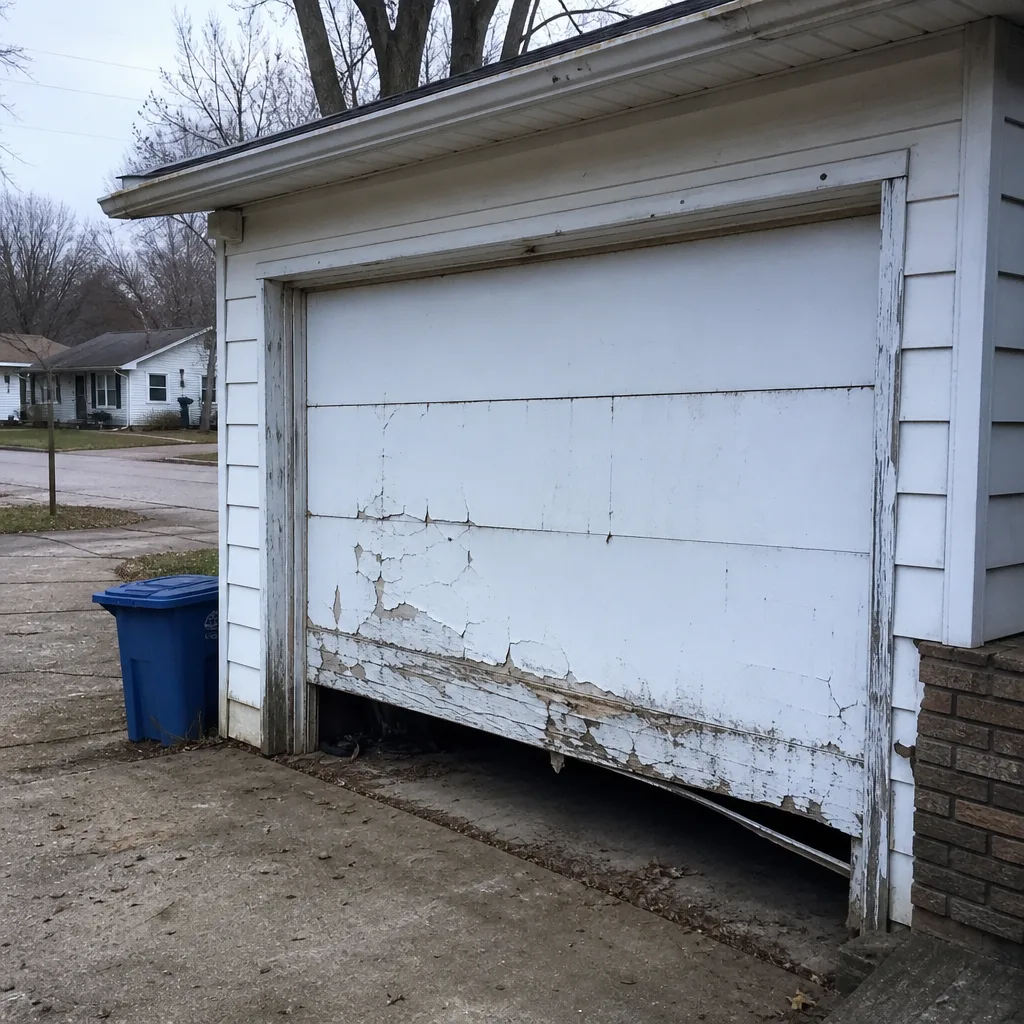 Before
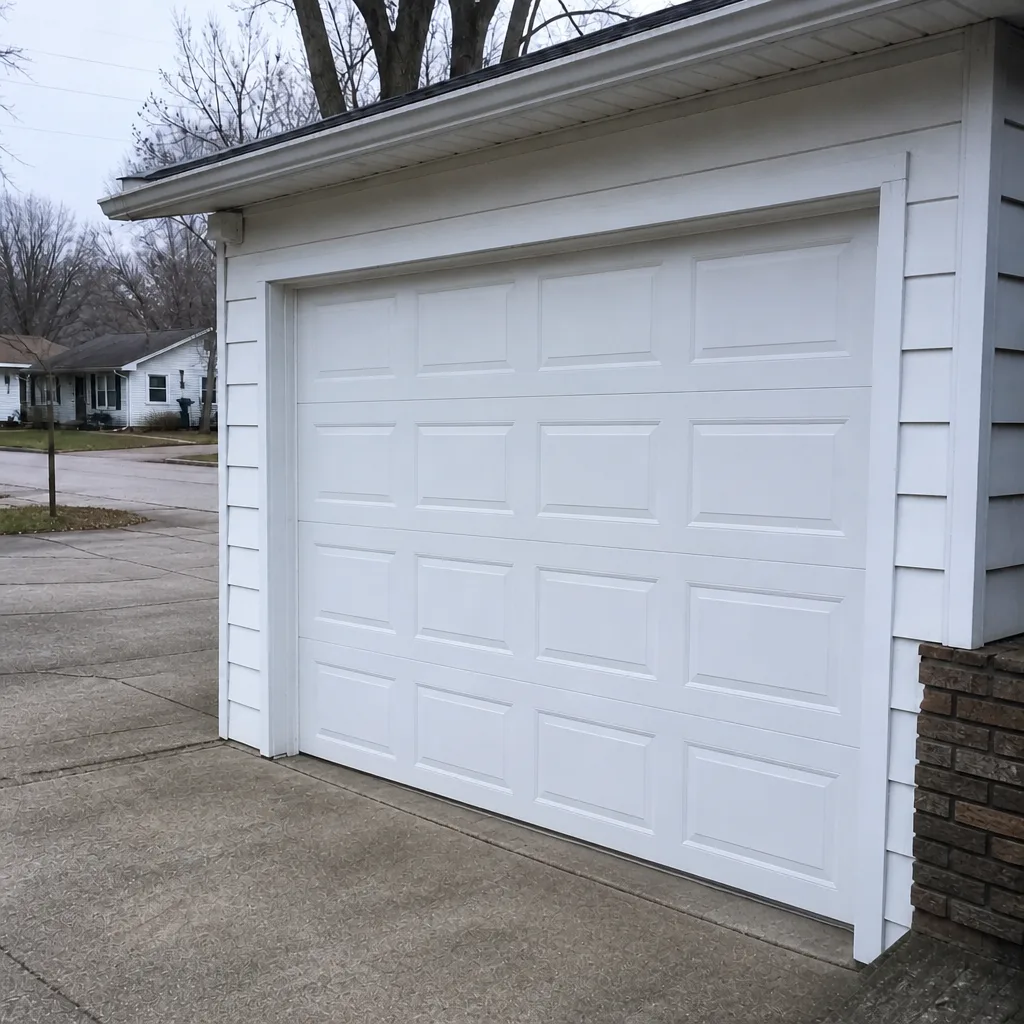 After
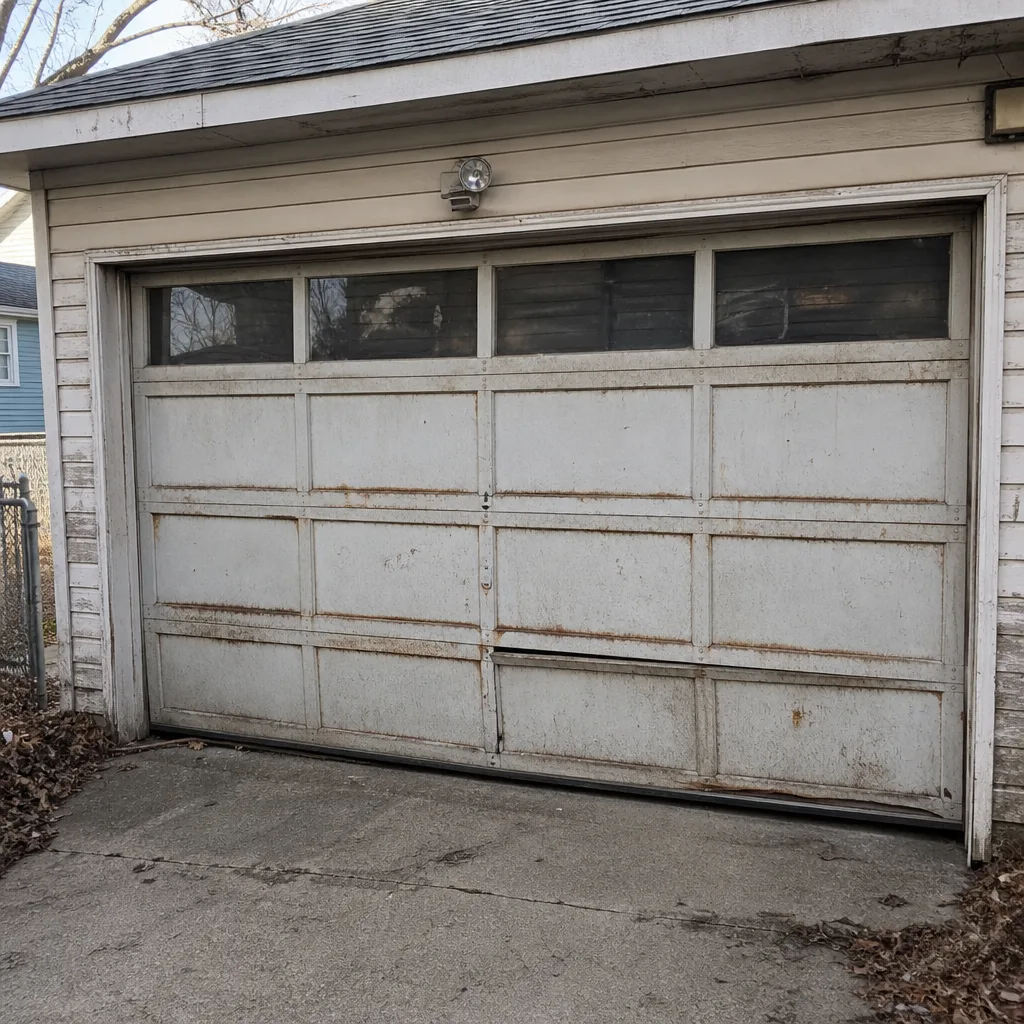 Before
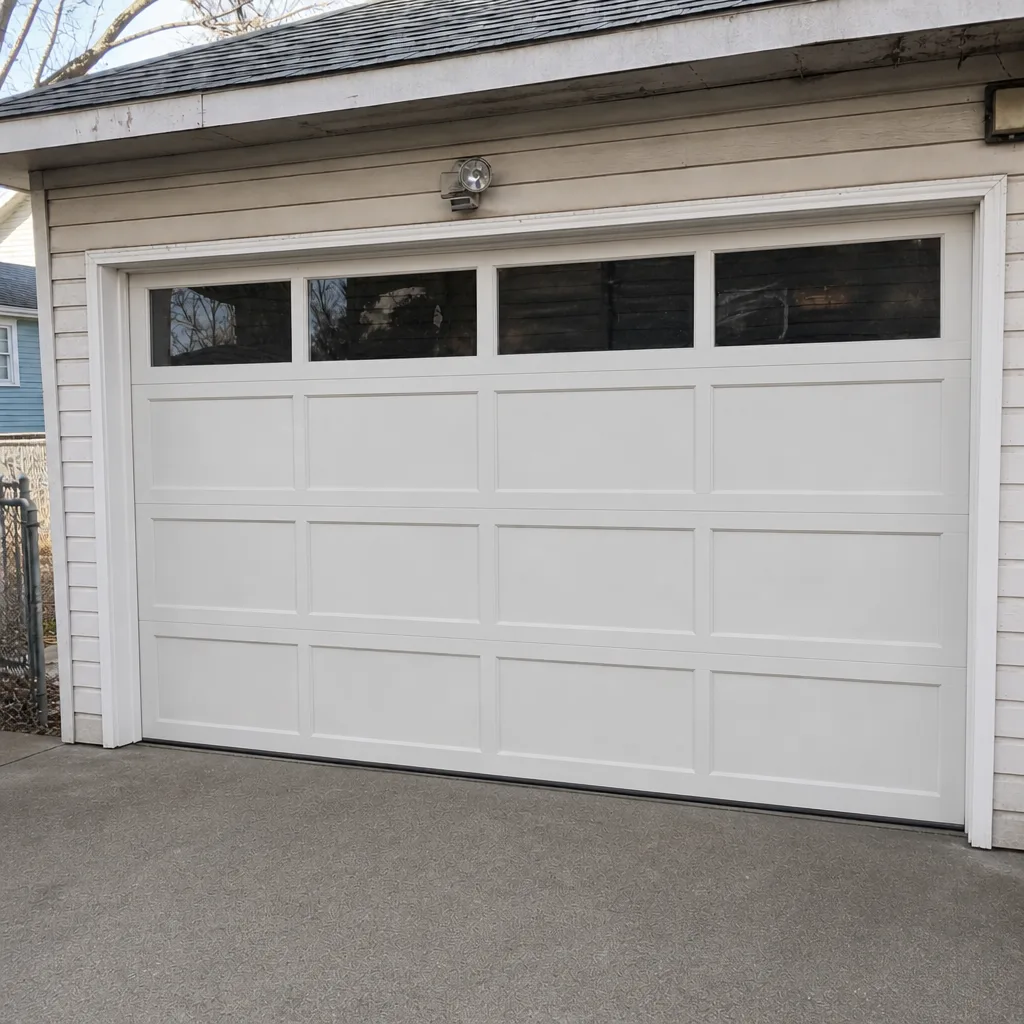 After
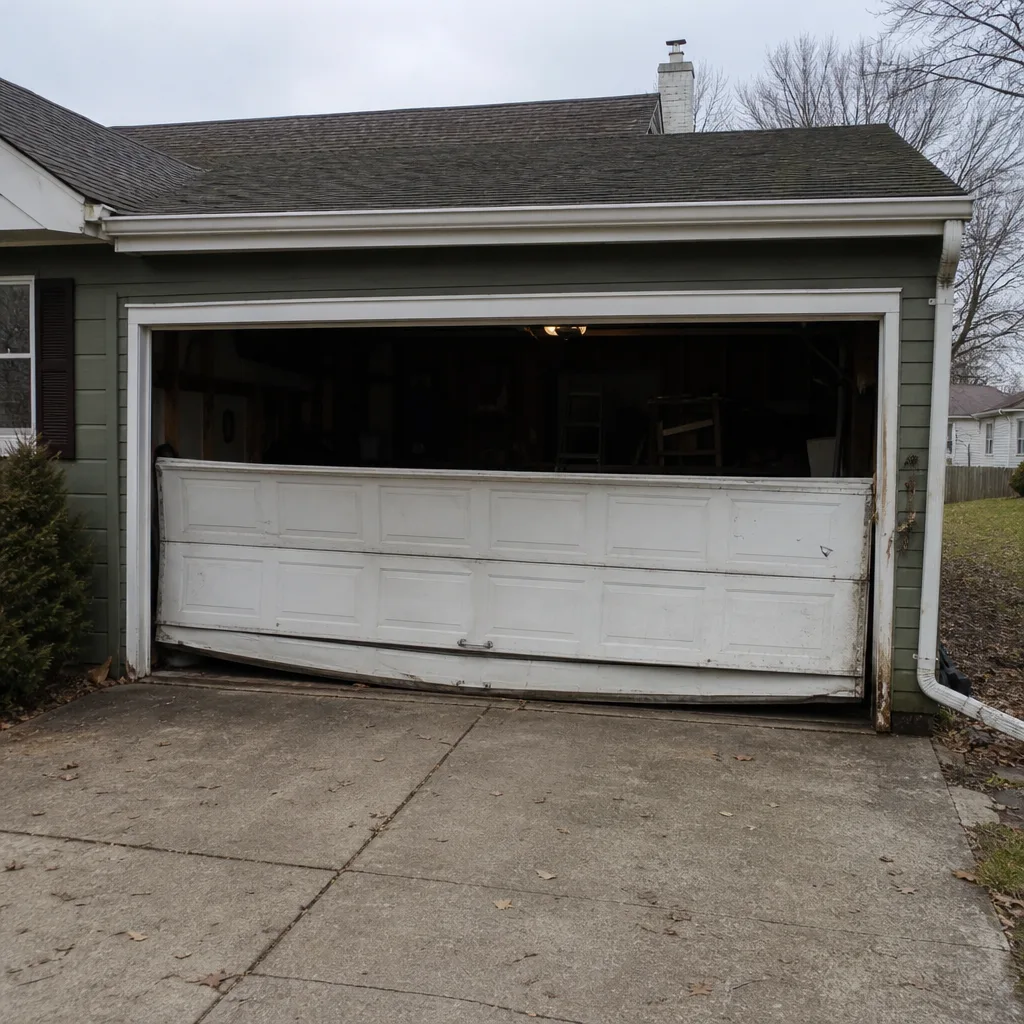 Before
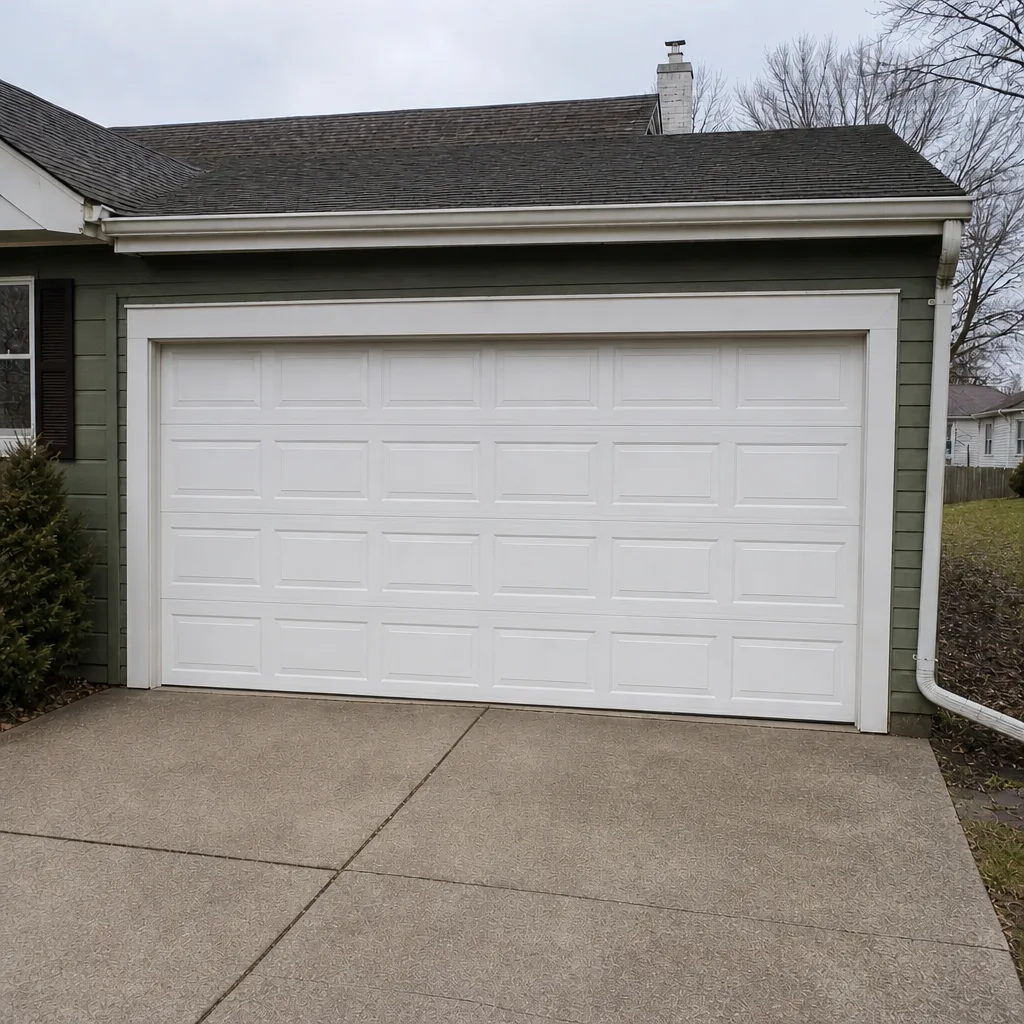 After
When to Call a Professional
Some seasonal care is homeowner work: cleaning tracks, checking the seal, watching for humidity binding. Some is not. Call a professional if a spring breaks or shows gaps, if the door won’t stay up or moves unevenly, if the opener strains or hums without moving the door, if a door is frozen and won’t free safely, or if you’re not sure whether the problem is the opener or the door. High-tension springs and cables are genuinely dangerous, and a door that binds or drops can cause injury. Garage Door Repair Greater East Side offers free estimates in Greater East Side – call (866) 989-9389. We work on the major brands, and our technicians have up to 15 years of experience with these seasonal failure patterns.
Frequently Asked Questions
Because winter damages springs, seals, and rollers over five months of freeze-thaw, and the first warm week is when the door starts cycling normally again and the damage shows up. The failures aren’t caused by spring weather; they’re winter’s leftovers announcing themselves. If your door is sluggish or jerky in April, get it checked before the problem grows.
Replace the bottom seal. A cracked or flattened seal lets water, pests, and cold air under the door and puts extra load on the opener, and replacing it in April is one of the least expensive ways to protect the rest of the system. It also prevents the seal from freezing to the ground the following winter.
Probably not. In Greater East Side summers, humidity swells wood doors and heat expands metal tracks, both of which can make the door bind while the opener is perfectly fine. If the motor runs but the door moves unevenly, suspect the door, tracks, or springs before the opener. Call (866) 989-9389 if you want a diagnosis.
Use a cold-rated lubricant, because standard products thicken and gum in sub-zero temperatures and make the door harder to move exactly when you need it easiest. Apply it to hinges, rollers, and springs where appropriate after cleaning the tracks. If you’re unsure, a professional tune-up in fall will get it right.
Don’t force it. Clear the ice and snow away from the bottom of the door and gently work the seal free. Hitting the opener repeatedly on a frozen door is how motors burn out. If you can’t free it safely, stop and call for help.
Yes. We’re open Sunday through Friday, 7am to 7pm, and closed Saturday. If a spring breaks or your door won’t move on a Sunday, call (866) 989-9389. We also handle garage door installation when a seasonal repair points to a door that’s reached the end of its life.
The Bottom Line
Greater East Side’s seasons each create their own failure mode: winter damage that surfaces in spring, summer heat and humidity that mimic opener problems, fall prep that prevents cold-weather breakdowns, and winter forcing that burns out motors. Match your action to the season and you stay ahead of the surprises. Spring is for the bottom seal and inspection. Summer is for watching tracks and wood doors. Fall is for cold-rated lubricant and a balance check. Winter is for patience and prevention. When something genuinely needs repair, Garage Door Repair Greater East Side covers springs, openers, and full replacements. Garage doors are all we do. For a free estimate, call (866) 989-9389 or start at Garage Door Repair Greater East Side.
Written by the team at Garage Door Repair Greater East Side.