Last updated November 21, 2026
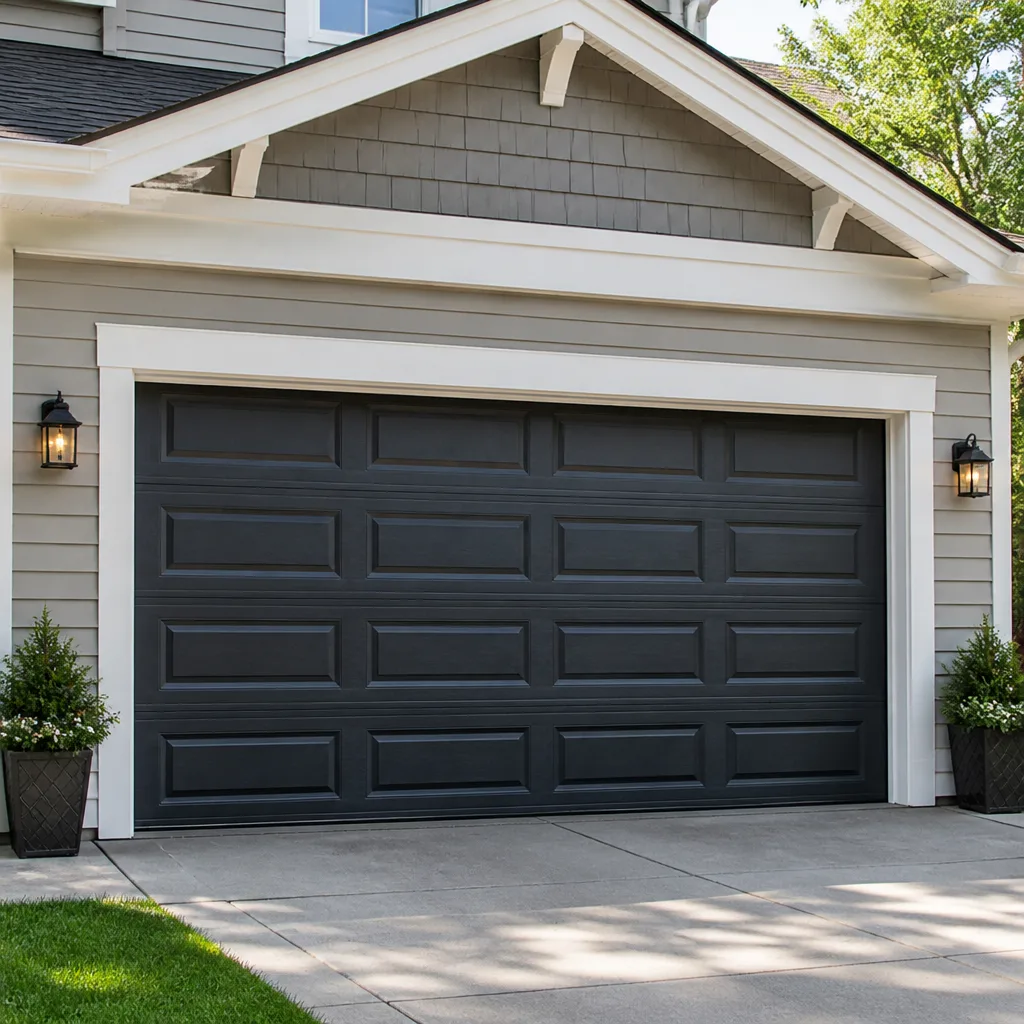 Raised-panel steel
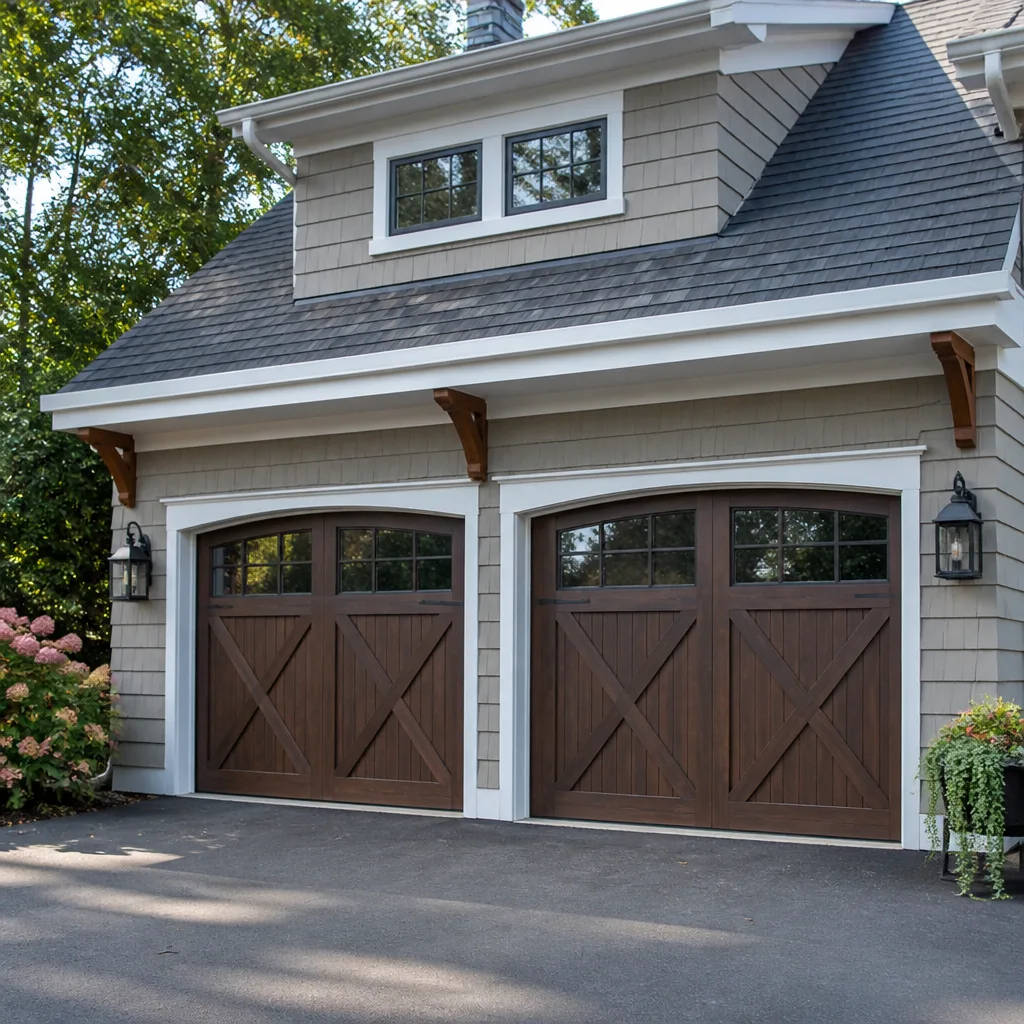 Carriage house
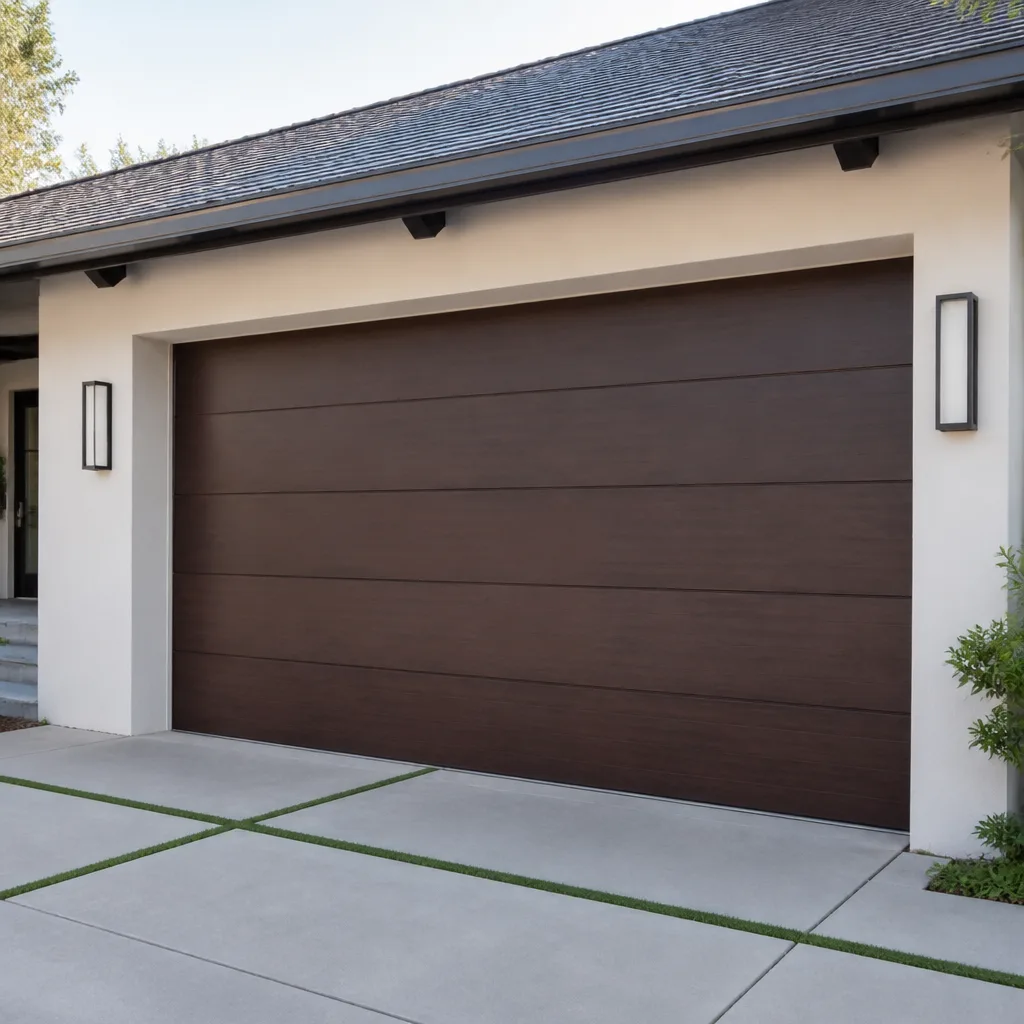 Modern flush
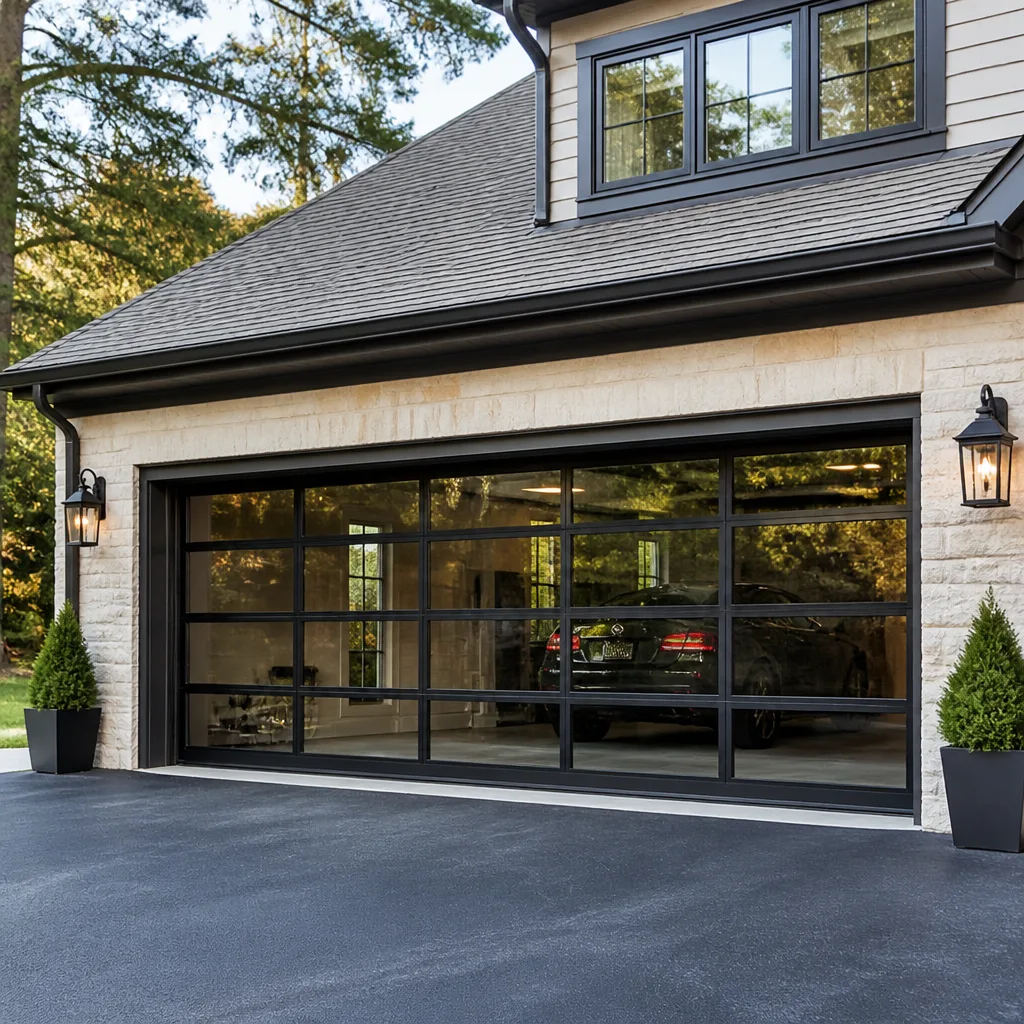 Full-view glass
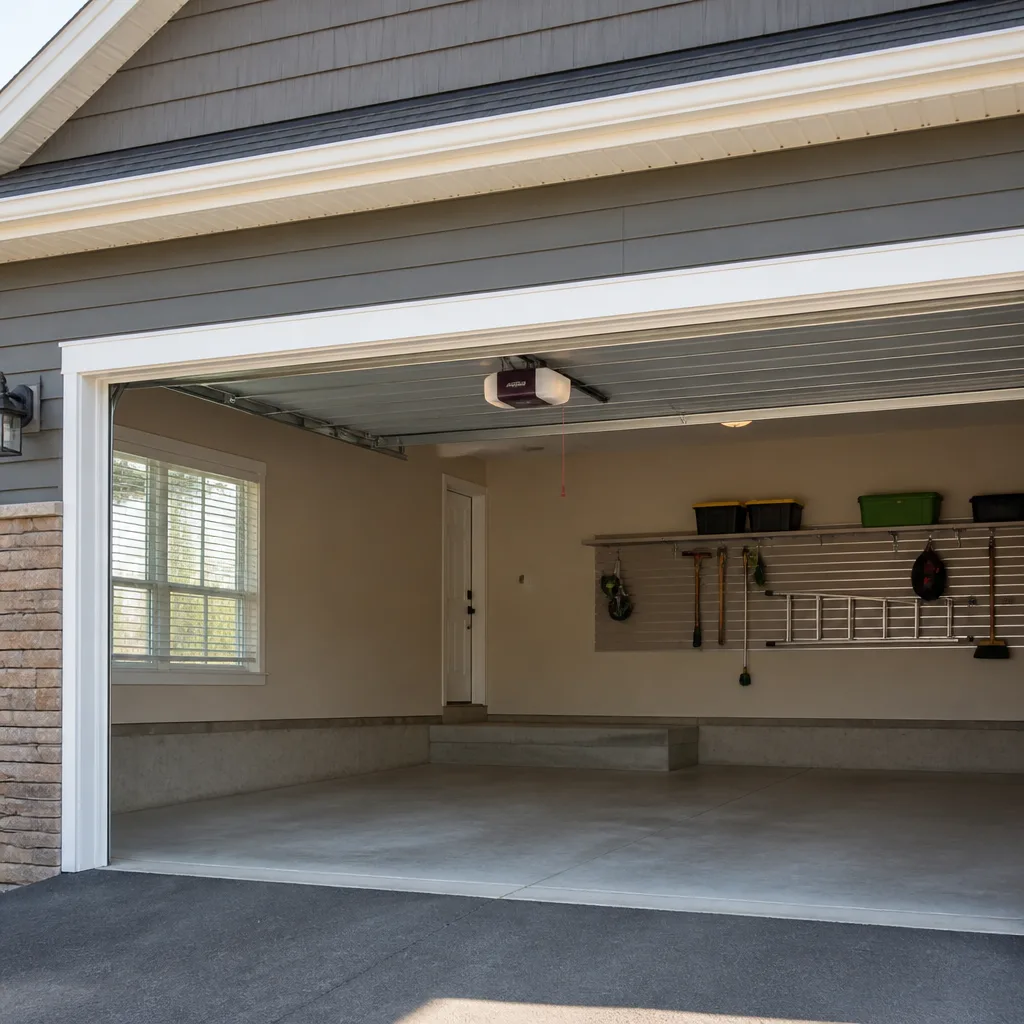 LiftMaster openers
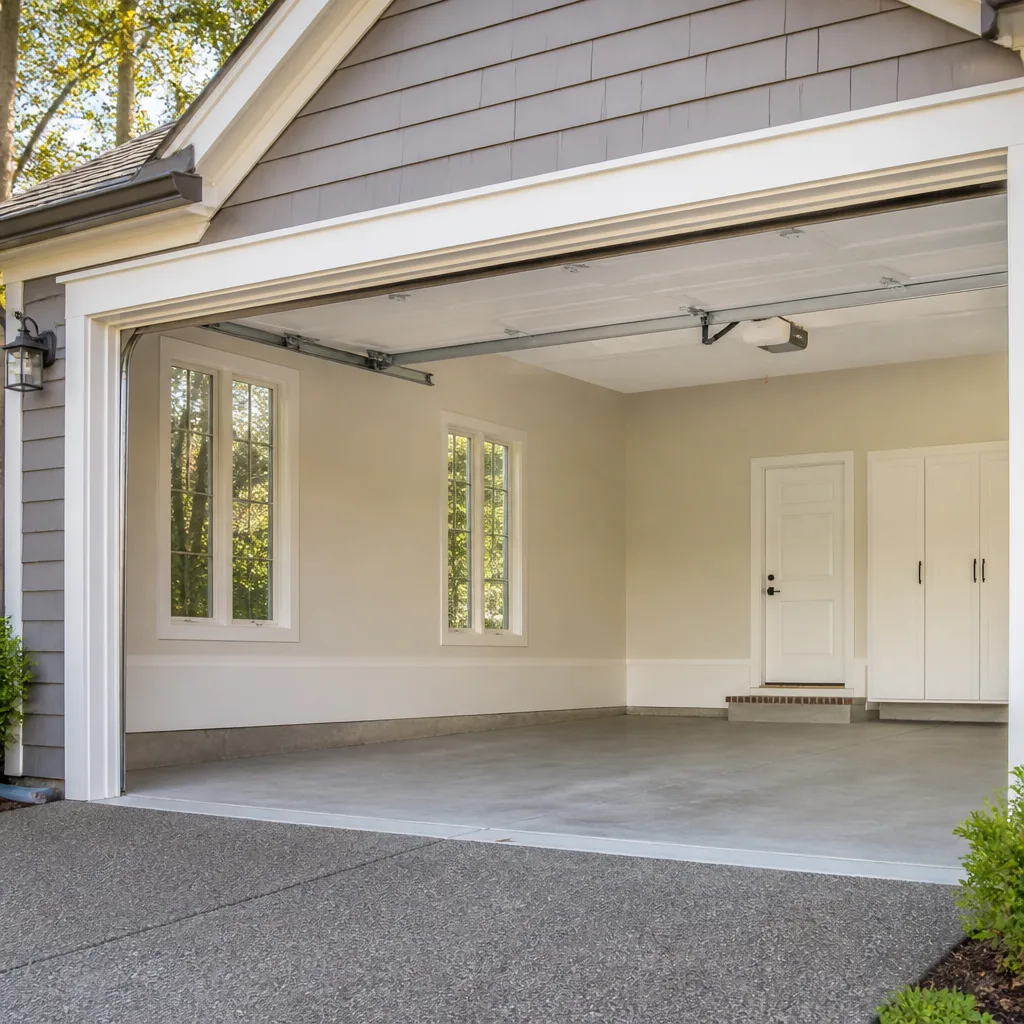 Chamberlain openers
Full 25-point door and opener safety check with every visit - springs, cables, rollers, tracks, and your LiftMaster or Chamberlain opener included
You get a price before we start. It does not change when the pro arrives.
Get your free estimateGarage Door Permits, Codes & Inspections in Greater East Side, MN: What You Need to Know
Here’s the part that catches people: widening a garage door opening by even a few inches to fit a newer panel size turns a simple swap into a structural alteration. In Minnesota, that’s the line between a project you can start on a free afternoon and one that needs a permit, a plan review, and a sign-off before you ever hang the door. Homeowners in Greater East Side run into this more than they expect, especially in the older housing stock where openings were framed decades ago to sizes that don’t match what’s on the shelf today. This guide walks through what the code actually says, who has jurisdiction over your address, what an inspection looks like, and how to keep a permit problem from surfacing at the worst possible time: when you’re selling.
Quick Answer
In Minnesota, routine garage door repairs – replacing a spring, swapping an opener, changing rollers or cables, or installing a new door in an existing, unchanged opening – are generally treated as repairs and don’t require a building permit. A project crosses into permit territory when you change the structure: widening or heightening the opening, altering the header, adding a new opening, or changing the door in a way that affects the load path. Greater East Side addresses fall under Saint Paul’s jurisdiction, and the city’s building department is who you call to confirm before work starts.
Styles & brands we work with
- Raised-panel steel
- Carriage house
- Modern flush
- Full-view glass
- LiftMaster openers
- Chamberlain openers
Table of Contents
- What Counts as a Repair vs. an Alteration in Minnesota
- Saint Paul and Ramsey County: Who Has Jurisdiction Over Your Address
- Which Garage Door Projects Need a Permit
- What Happens During a Garage Door Inspection
- The Real-World Cost of Skipping a Required Permit
- How to Ask Your Contractor to Handle Permitting
- Why Greater East Side Housing and Weather Make This Trickier
- Springs, Cables and the Safety Code Behind Them
What Counts as a Repair vs. an Alteration in Minnesota
The Minnesota State Building Code draws a line between maintenance and construction, and garage doors sit right on it. The code’s repair provisions allow you to restore a building element to its original condition without a permit. The alteration provisions kick in when you change the configuration, dimensions, or structural makeup of that element. Restoring a worn door to the size it already is? Repair. Cutting the opening wider, raising the header, or reframing? Alteration.
The practical test we walk homeowners through in Greater East Side comes down to three questions:
- Are the opening’s dimensions staying exactly the same? If yes, you’re almost always in repair territory.
- Is any framing, header, or structural member being cut, added, or changed? If yes, that’s an alteration and the city will want to see plans.
- Is the electrical circuit for the opener being modified? A straight swap of a plug-in opener usually doesn’t need an electrical permit. New wiring, a new dedicated circuit, or relocating the outlet does, and that’s a separate permit from the building one.
That third point surprises people. Homeowners upgrading to a newer LiftMaster or Craftsman unit in an older Greater East Side garage sometimes discover the existing outlet isn’t where the new opener needs it. Moving that outlet is electrical work, not garage door work, and it needs its own permit and a licensed electrician. We flag it early so it doesn’t stall the install.
The other thing worth knowing: the code language uses “repair” and “alteration” as technical terms with specific meanings, not casual ones. When you call the city, use those exact words. It gets you a clearer answer faster.
Saint Paul and Ramsey County: Who Has Jurisdiction Over Your Address
Greater East Side is a Saint Paul neighborhood, and that matters for permitting. The City of Saint Paul issues building permits for one- and two-family homes within its limits, and the Saint Paul Department of Safety and Inspections is the office that reviews and inspects residential work. Ramsey County doesn’t issue building permits for city addresses – the county handles certain other functions, but your garage door permit, if you need one, runs through the city.
The confusion usually comes from how Greater East Side sits near the city line. Some addresses on the eastern edge of the neighborhood are close enough to neighboring communities that homeowners aren’t sure which jurisdiction they’re in. Here’s how to settle it in two minutes:
- Look up your property on Ramsey County’s property records by address. The record lists the taxing jurisdiction, which is the same body that permits the work.
- Call Saint Paul’s Department of Safety and Inspections with the address and describe the project in code terms – repair or alteration.
- Ask them to confirm in writing what, if anything, is required. An email reply is worth keeping.
One more layer: if your home is in a historic district or has a heritage preservation designation, exterior changes can require an additional review beyond the building permit. Greater East Side has pockets of older housing stock where this comes up. The city can tell you whether your address carries that designation.
We’re not the permit office and we don’t pretend to be. What we can do is tell you, based on the scope of your project, which way the city is likely to rule – and then hand the paperwork question to the city for the final word. For projects that stay in repair territory, our garage door installation work covers the swap cleanly with no permit required.
Which Garage Door Projects Need a Permit
Here’s the breakdown most homeowners are looking for. This reflects how the code is generally applied, but your address and your specific project get the final say from the city.
Projects that typically don’t need a building permit
- Replacing a broken torsion or extension spring with the same size spring
- Swapping an opener for a comparable unit on the existing circuit
- Replacing rollers, hinges, cables, or weather seal
- Installing a new door in an opening whose dimensions don’t change
- Adjusting track alignment or travel limits
- Replacing a damaged panel with a matching panel
Projects that typically do need a permit
- Widening or heightening the door opening, even by a few inches
- Cutting, splicing, or replacing the structural header above the opening
- Adding a new garage door opening where none existed
- Converting a garage to living space, or a living space to a garage
- Adding or relocating electrical circuits for the opener
- Any change that affects how the wall above the opening carries load
That second list is short, but each item on it is structural. The reason is simple: the wall above a garage door opening is doing real work. It’s carrying roof and wall load down to the foundation, and the header is the beam that makes that possible over an opening. Change the opening, and you’ve changed the load path. That’s why the city wants to look.
If you’re planning a full replacement and want to know whether your specific opening will trigger a review, call us and describe what you’re picturing. We’ve handled enough Greater East Side jobs to tell you when something sounds like an alteration rather than a straight swap – before you spend money on a door that won’t fit the frame you have.
What Happens During a Garage Door Inspection
Most homeowners have never seen a garage door inspection and don’t know what to expect. If your project requires a permit, here’s the sequence, generally:
- Application and plan review. You or your contractor submits the scope and any drawings. The city reviews before issuing the permit. This step takes time, so it’s the one to start early.
- Permit issued. Work can begin only after the permit is in hand. Starting early is the classic mistake.
- Rough-in inspection, if applicable. If framing or electrical is involved, an inspector checks that work before it’s closed up.
- Final inspection. The inspector looks at the finished door, the opening, the hardware, and the safety features.
What is the inspector actually looking at during the final? In our experience across Greater East Side jobs, the checklist tends to cover:
- That the opening dimensions match what was permitted
- That the header and framing are sound and correctly sized for the opening
- That the door operates smoothly through its full travel without binding
- That the door is properly attached to the framing with the correct fasteners
- That spring and cable hardware is correctly installed and guarded
- That the opener’s safety reverse function works – the door reverses when it meets an obstruction
- That the photo-eye sensors are mounted correctly and functional
- That the manual release works and is accessible
The safety reverse and photo-eye checks are on the list because they’re not optional in a modern installation. If your new door came with a LiftMaster or Raynor opener, those functions are built in, but the inspector still verifies they’re set up and working. We test them before we leave every job, permit or not, so there’s nothing to fix at the inspection.
The final inspection is usually quick when the work is done right – often under half an hour. The long part is the paperwork before the work starts.
The Real-World Cost of Skipping a Required Permit
We’re not going to tell you horror stories about fines and insurance denials. Here’s the plain version: unpermitted structural work has a habit of surfacing later, at the moments you can least afford a surprise. The two most common places it shows up are a home inspection during a sale and a title search.
What a home inspector sees
A good home inspector is looking at the garage opening the same way a permit inspector would: does the framing look right, does the door operate correctly, is the header properly sized. If something looks off, the report says so. That report goes to the buyer, the buyer asks for documentation, and if there’s no permit on record for the work, the question becomes whether the work was done correctly. That’s a harder conversation than it needs to be.
What a title search shows
Permits are public record. A title search doesn’t look for permits directly, but if a buyer or their agent pulls the permit history and finds structural work with no permit, it can become a condition of the sale. Sometimes it means a retroactive inspection. Sometimes it means money held in escrow until the issue is resolved. It’s not a catastrophe – it’s a delay and a hassle that could have been a piece of paper at the start.
What it means for you now
If you’re wondering whether past work on your Greater East Side home was permitted, you can check the permit history directly with the city. That’s the cleanest way to know where you stand before you list, refinance, or plan the next project. And if you’re planning work now, the safe move is simple: ask the city, get it in writing, and keep the record.
How to Ask Your Contractor to Handle Permitting
Permitting is a coordination job, and you want to settle who owns it before the first screw goes in. Here’s the script we recommend to homeowners in Greater East Side:
- Ask directly: does this project need a permit? Not “might it” – ask for a yes or no based on the scope.
- Ask who pulls it. Most contractors will pull the permit on your behalf as part of the job. Confirm it in writing, along with who pays the permit fee.
- Ask what the inspection schedule looks like. When will the inspector need access, and who’s responsible for being there?
- Ask for the permit number once it’s issued. That way you have a record for your own files.
- Keep the final inspection paperwork. It’s your proof the work was done right, and it’s exactly what a buyer’s agent will ask for.
What to do if a contractor suggests skipping it
Walk away. We’ll say that plainly. A contractor who suggests skipping a required permit is telling you they’d rather save a trip to the city than protect your investment. Even if their workmanship is fine, the paperwork gap belongs to you, not them. If you’ve already had work done by someone who skipped it, you can still get it inspected retroactively – call the city, explain the situation, and ask what’s required to bring it into compliance. It’s a fixable problem, but you want to be the one fixing it on your timeline.
Every job we take on starts with a written scope and a price agreed before work starts. For anything that touches the structure, we’ll tell you up front that the city needs to review it, and we’ll walk through the sequence with you. If a project only involves a straight swap or spring replacement, we’ll tell you that too, and you can skip the paperwork entirely. That’s the whole point of talking to a specialist. Our Garage Door Repair Greater East Side overview covers the full service range if you want the bigger picture.
Why Greater East Side Housing and Weather Make This Trickier
Two local factors push more garage door projects in Greater East Side into permit territory than you’d expect.
The first is the age of the housing. Greater East Side has a lot of early- and mid-twentieth-century homes where garages were built to dimensions that don’t match today’s standard panel sizes. If a homeowner wants a modern door, sometimes the opening has to be adjusted to fit it. That adjustment is exactly the structural alteration the code cares about. It’s not a gotcha. It’s just geometry: old openings, new doors, and a decision to make about whether to modify the structure or pick a door that fits.
The second is the climate. Twin Cities winters put garage doors through a hard freeze-thaw cycle, and doors that were marginal in October are failing by February. Those failures – springs and cables especially – are overwhelmingly repair work, not permitting work. But the urgency of a winter failure tempts people to let a contractor skip the permit step on a bigger project because it’s cold and they want it done. That’s exactly when you want to slow down and check.
The upside: because repair work doesn’t need a permit, most winter emergencies get handled fast. A snapped spring or a failed opener is a same-day call, not a city review. Our garage door opener repair work is a good example – swapping or fixing an opener on the existing circuit, no permit, no waiting. When a door fails and you’re locked out, that matters.
Springs, Cables and the Safety Code Behind Them
Torsion and extension springs are under extreme tension, and getting it wrong is how people get hurt. We’ll be direct: this is not a component to touch yourself. The hardware that holds the spring also holds energy that releases instantly if it’s mishandled, and the injury risk is real. Cables are under tension too, and a cable that lets go can cause serious harm.
What you can do safely is what we’d call “check, don’t fix.” Here’s what to look at with your eyes only:
- Listen for a loud bang from the garage, or a door that suddenly feels very heavy to lift
- Look at the springs – a gap in a torsion spring means it’s broken
- Look for frayed or slack cables
- Check that the door is level when it’s halfway up
- Watch for a door that reverses erratically or won’t stay up
If any of those turn up, stop using the door and call a trained technician. We handle spring repair as a core service, and our technicians have up to 15 years of experience with the high-tension hardware. It’s repair work, not structural work, so in almost every case it doesn’t require a permit.
On the code side: modern installations include safety features like cable guards and spring containment that older doors in Greater East Side garages may not have. If you’re replacing a door or doing a major rebuild, the new installation should include them, and the inspector will look for them if a permit is involved. If your existing door predates those features, it’s worth asking a tech to look, even outside a formal inspection.
Common Mistakes to Avoid
- Assuming any door replacement needs a permit. It usually doesn’t, if the opening stays the same size. Homeowners sometimes delay a straightforward swap for weeks waiting on a permit they never needed.
- Assuming no garage door project ever needs one. Widening an opening by a few inches for a new panel size is an alteration, and the city will want to review it. This is the mistake that surfaces at a home sale.
- Calling the county first. For a Greater East Side address, Saint Paul’s Department of Safety and Inspections is the office that handles residential building permits. The county is the wrong first call.
- Starting work before the permit is issued. The permit has to be in hand before work begins. Roofs and doors come off fast, and being mid-project when the city notices is an expensive place to be.
- Forgetting the electrical permit. Moving an outlet or running a new circuit for the opener is a separate permit and a separate trade. Plan for it up front, not after the door is hung.
- Letting a contractor skip the permit to save time. The paperwork gap belongs to you, not them. If a contractor suggests skipping it, that’s your signal to find another contractor.
- Not keeping the inspection paperwork. The final inspection record is exactly what a buyer’s agent will ask for. Store it with your home documents, not in a drawer that gets cleaned out.
See the difference
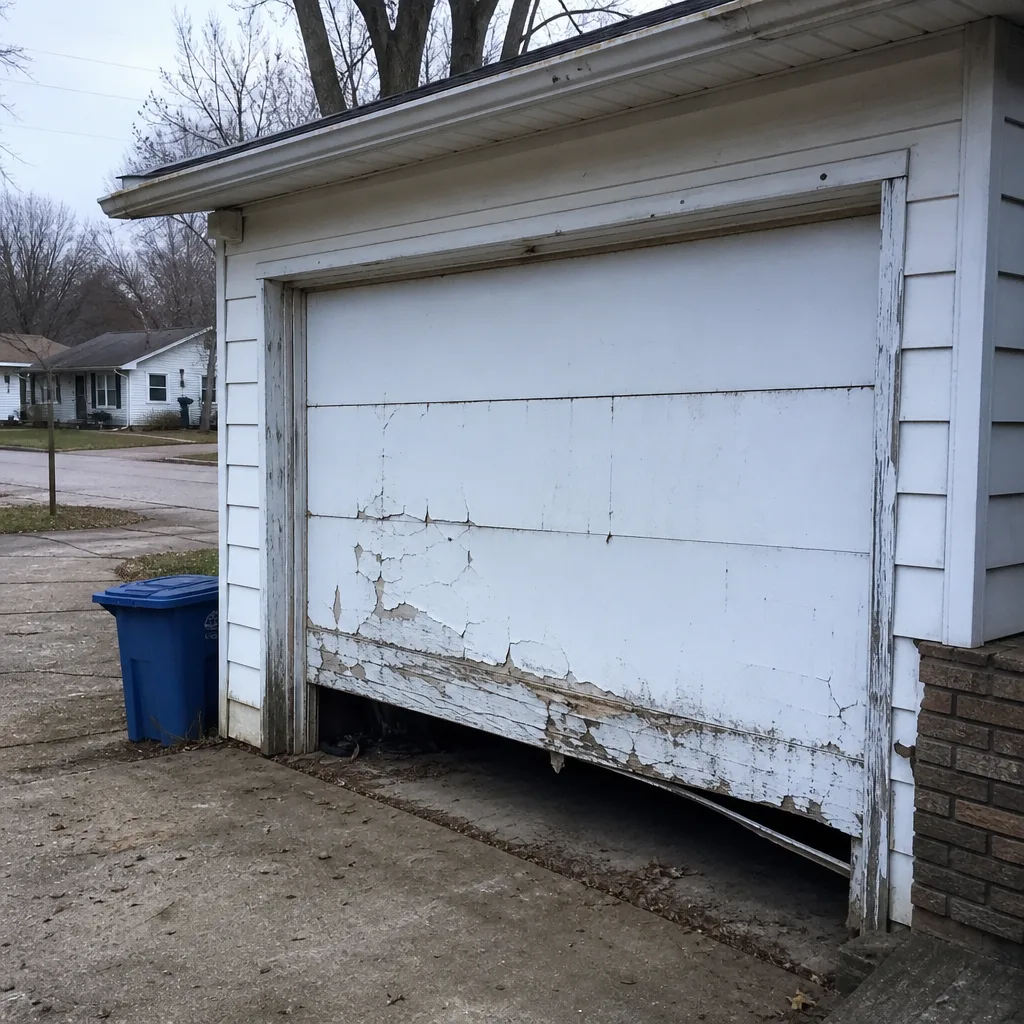 Before
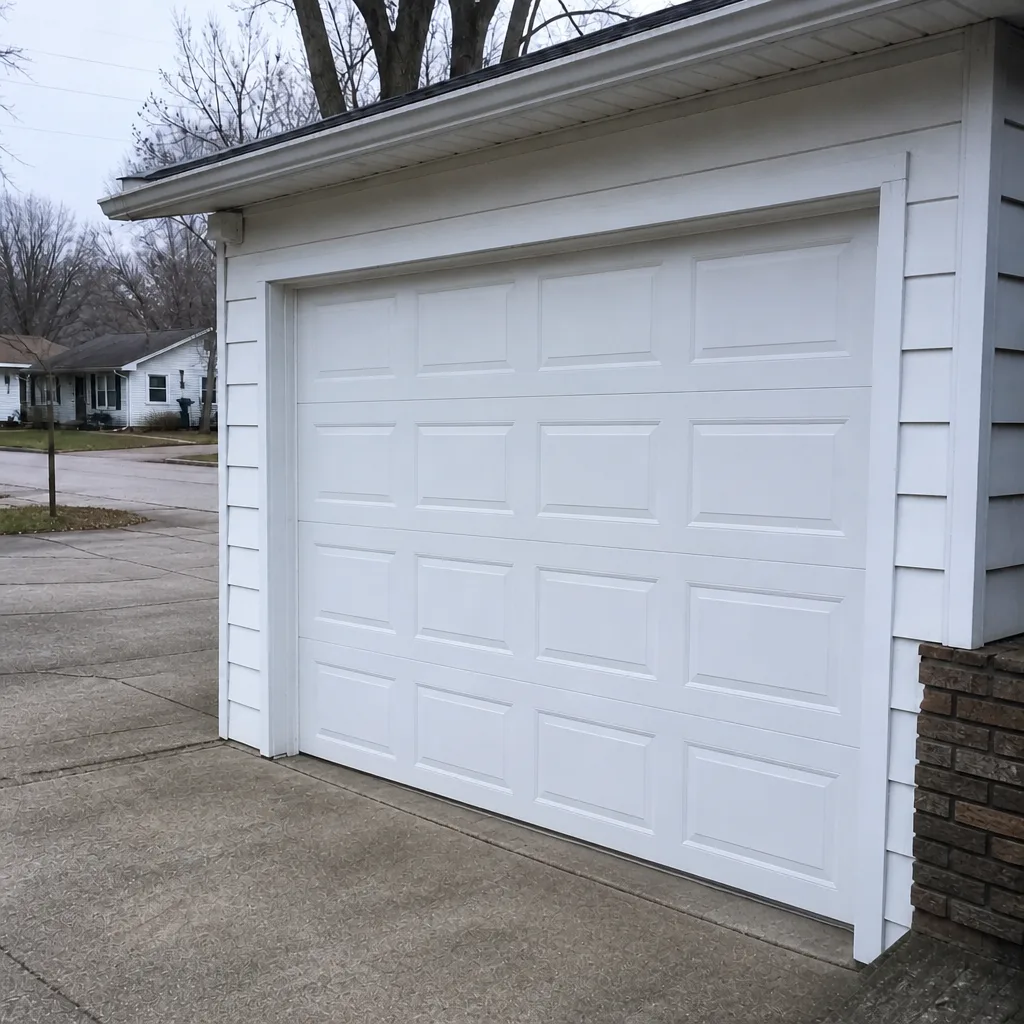 After
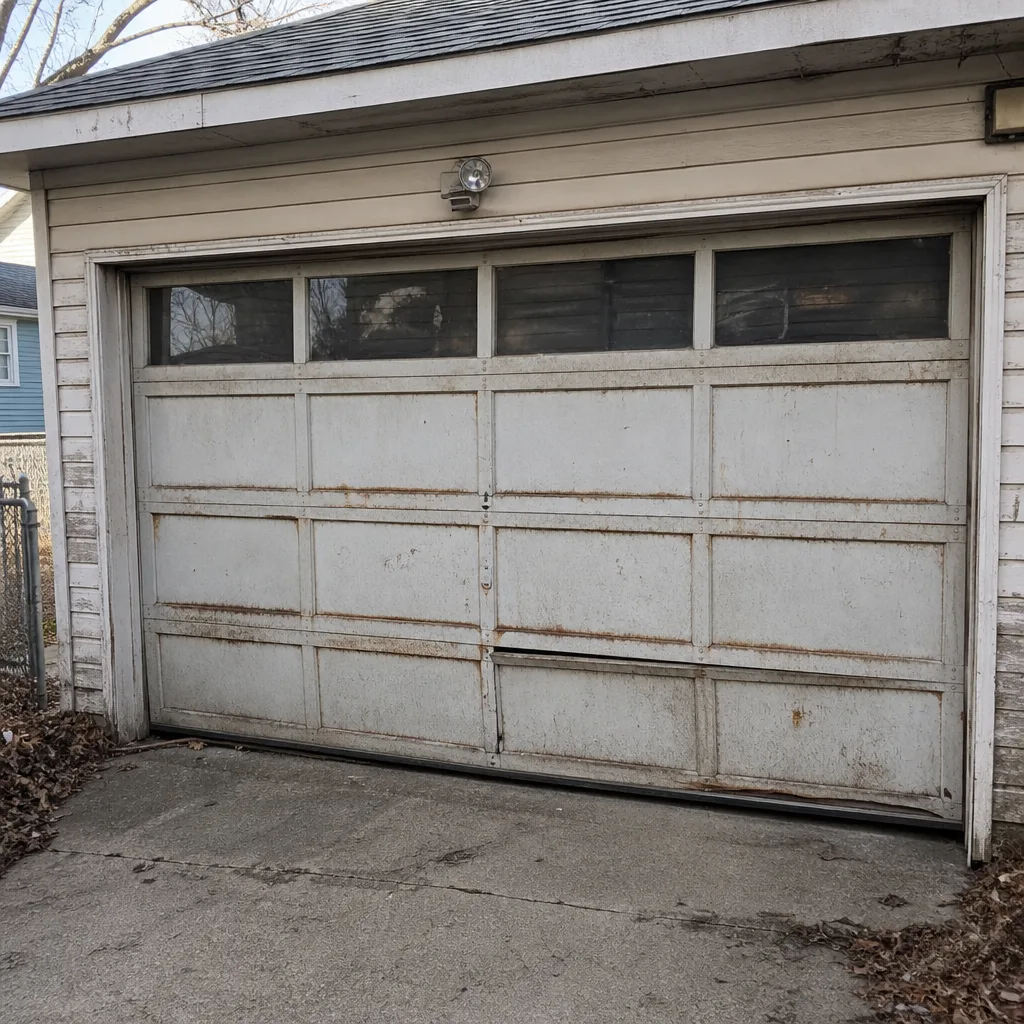 Before
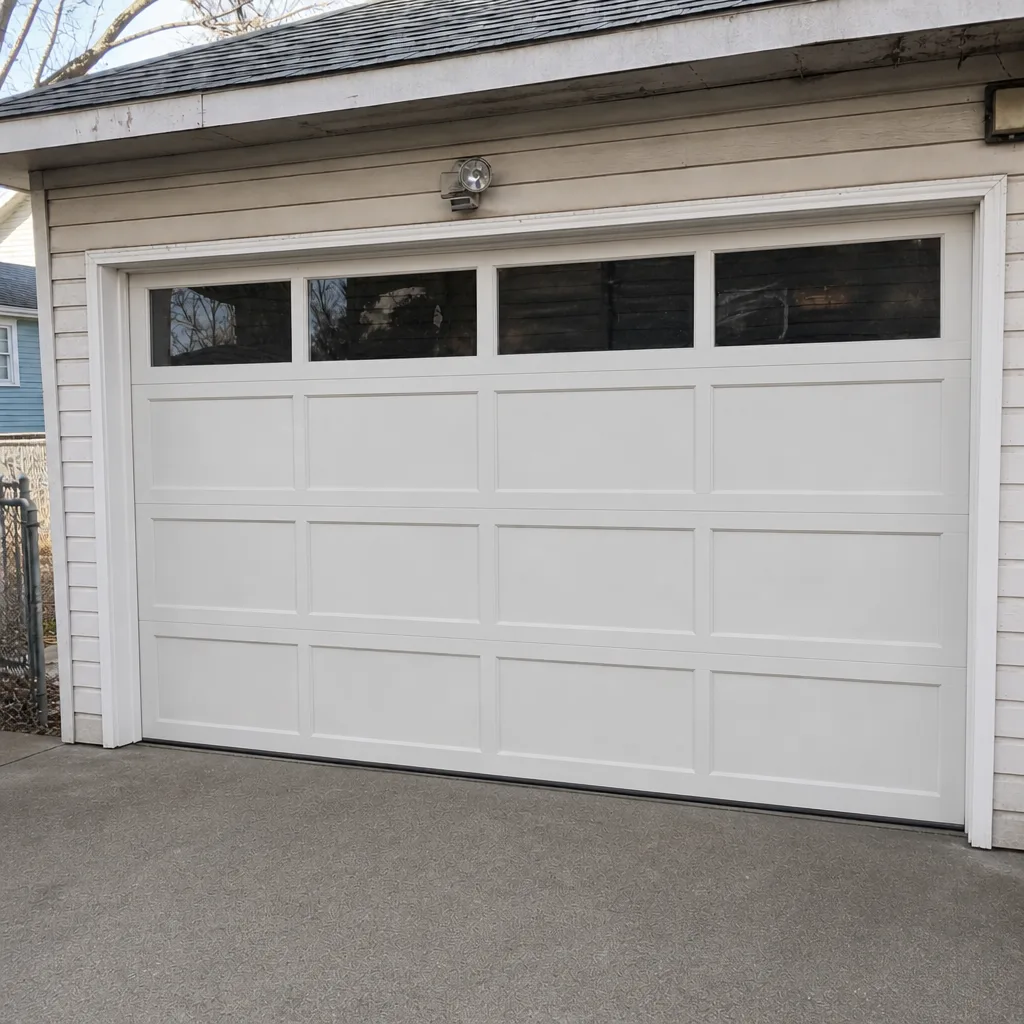 After
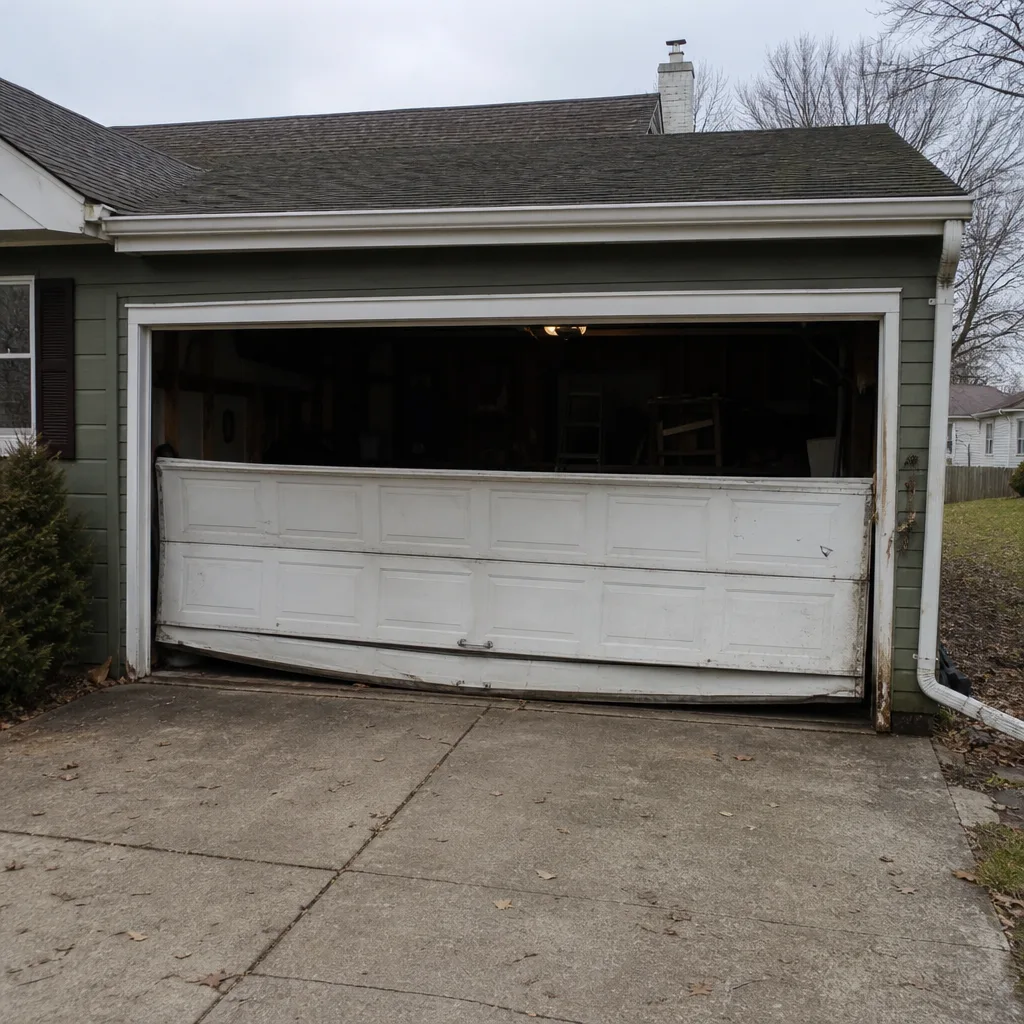 Before
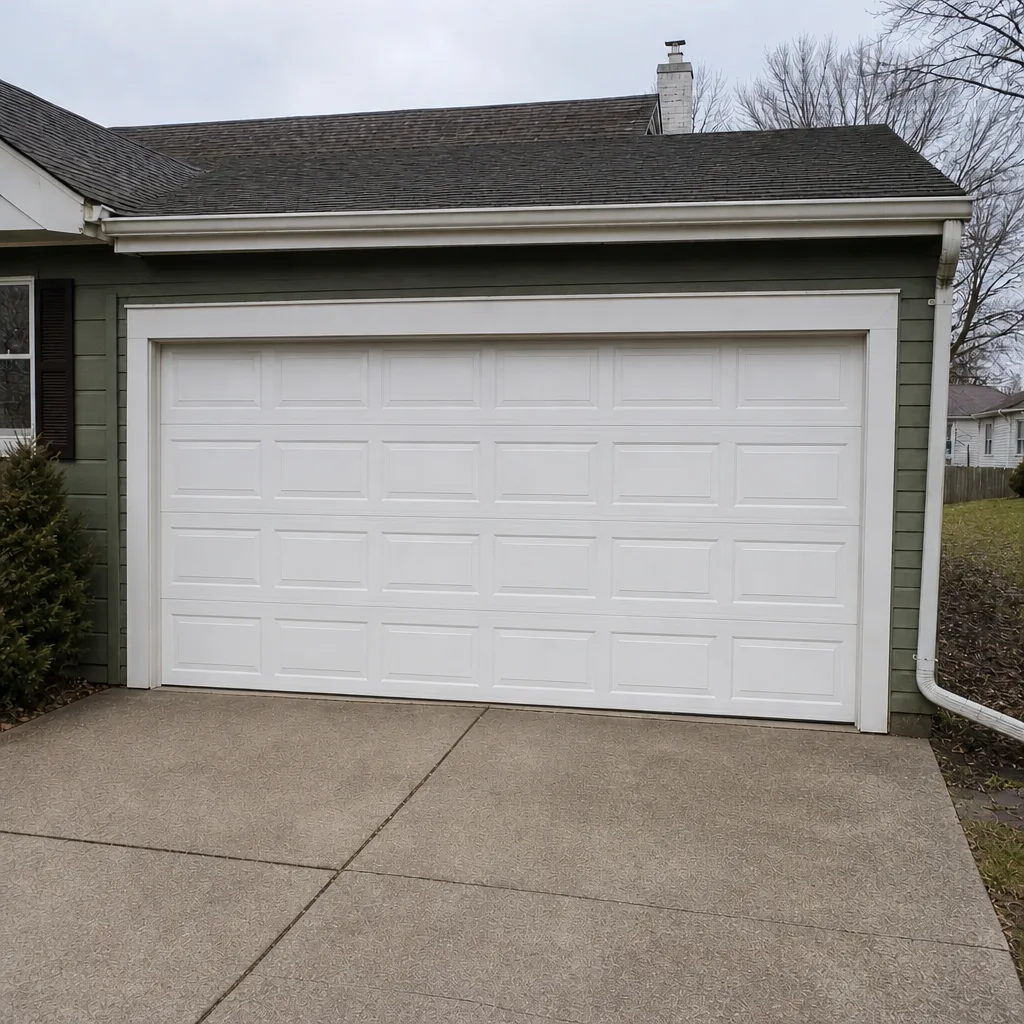 After
When to Call a Professional
Some jobs are obvious: a snapped spring, a door off its track, an opener that won’t respond, a cable that’s come loose. Those are repair calls, and they don’t need a permit, so there’s no reason to wait. Where a professional matters even more is the in-between cases: you’re thinking about a new door and aren’t sure whether your opening will need to change; you’re planning a wider opening and don’t know where the permit line sits; you had work done years ago and aren’t sure it was permitted; or you’re getting ready to sell and want a clean record. We can walk through the scope, tell you which category your project falls into, and give you a written estimate for the work. Garage Door Repair Greater East Side offers free estimates in Greater East Side – call (866) 989-9389.
Frequently Asked Questions
Usually no, if the opening dimensions stay the same and no framing or header is changed. Replacing a door in an existing, unchanged opening is generally treated as a repair, and repairs don’t require a building permit. If the project involves widening or heightening the opening or altering the header, that’s an alteration and the city will want to review it. Call (866) 989-9389 for a free estimate on your project – we’ll tell you which side of the line it’s on.
The City of Saint Paul handles building permits for residential addresses within its limits, and Greater East Side addresses fall under Saint Paul. Ramsey County handles certain other functions but doesn’t issue the building permit for a city address. Confirm by looking up the property’s taxing jurisdiction and then calling the Saint Paul Department of Safety and Inspections with your address and project scope.
A final inspection generally checks that the opening dimensions match the permit, that the framing and header are sound, that the door operates smoothly through its full travel, that the door is properly fastened to the framing, that spring and cable hardware is correctly installed and guarded, and that the opener’s safety reverse and photo-eye sensors are working. It’s usually a quick visit if the work was done right. Call (866) 989-9389 for a free estimate.
Unpermitted structural work tends to surface during a home sale or a title search. A buyer’s inspection report may flag the work, and if there’s no permit on record, the sale can get held up while it’s sorted out. It’s not a catastrophe – it’s a delay and a hassle. If you suspect past work wasn’t permitted, check the permit history with the city now, while it’s your timeline.
For projects that require one, yes – we can work with you on the permitting process and coordinate with the city so the permit is issued before work begins. We’ll walk you through the scope, tell you whether it’s likely to need a permit, and confirm who pulls it before we start. All work starts with a written estimate and a price agreed before the first step. Call (866) 989-9389 for a free estimate.
No. Spring replacement is repair work, not structural alteration, and it doesn’t require a building permit. It does need a trained technician, because torsion and extension springs are under extreme tension and the injury risk is real. We handle spring repair as a core service, with technicians who have up to 15 years of experience. Call (866) 989-9389 for a free estimate.
The Bottom Line
In Greater East Side, most garage door projects – spring replacements, opener swaps, new doors in unchanged openings – don’t require a permit. The projects that do are the ones that change the structure: a wider opening, a modified header, a new opening, or new electrical work. Saint Paul’s Department of Safety and Inspections is the office to call for your address, and the words that get you a clear answer are “repair” versus “alteration.” Get the permit question settled before work starts, keep the paperwork, and you’ll never have to explain a gap at a home sale. When in doubt about the structural side, call a specialist who can read the scope and tell you where the line is. That’s what we do. For a free estimate, call (866) 989-9389 or start with our garage door repair team.
Written by the team at Garage Door Repair Greater East Side.