Last updated November 21, 2026
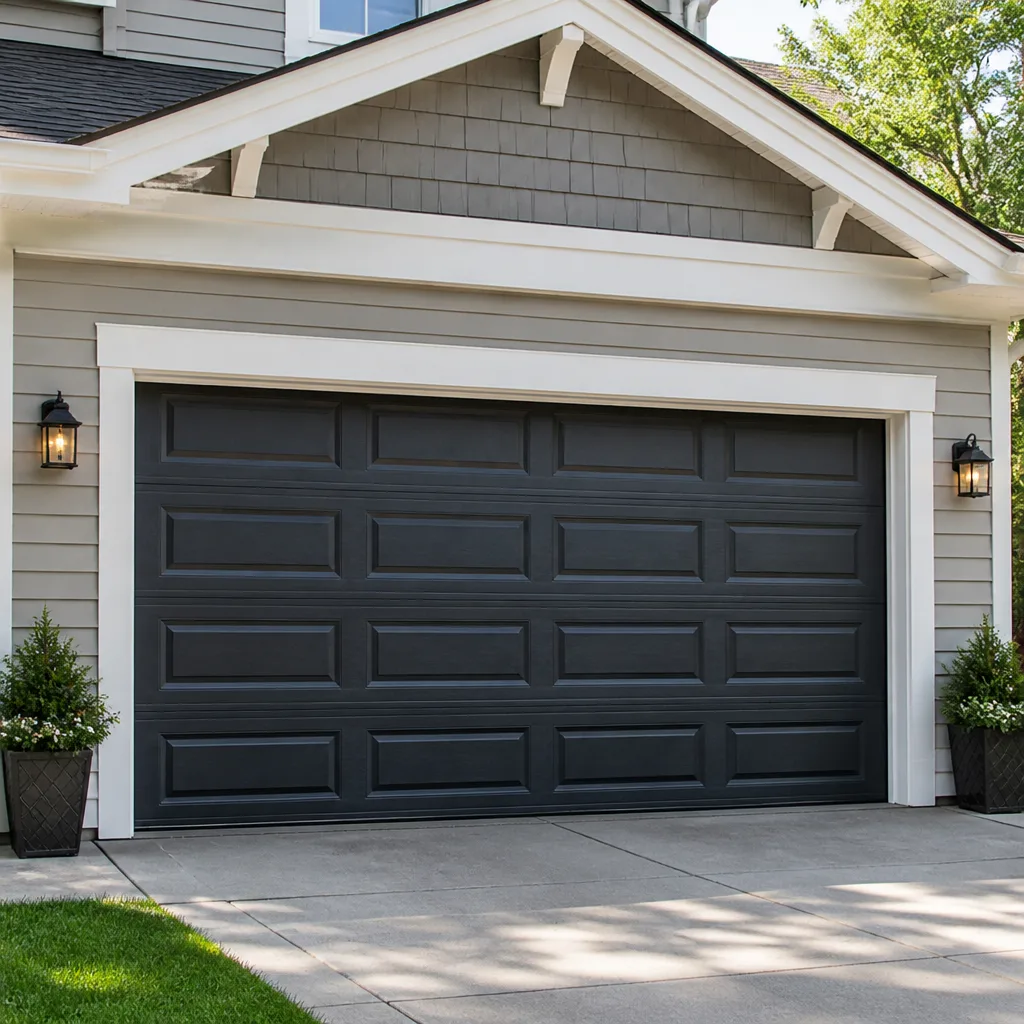 Raised-panel steel
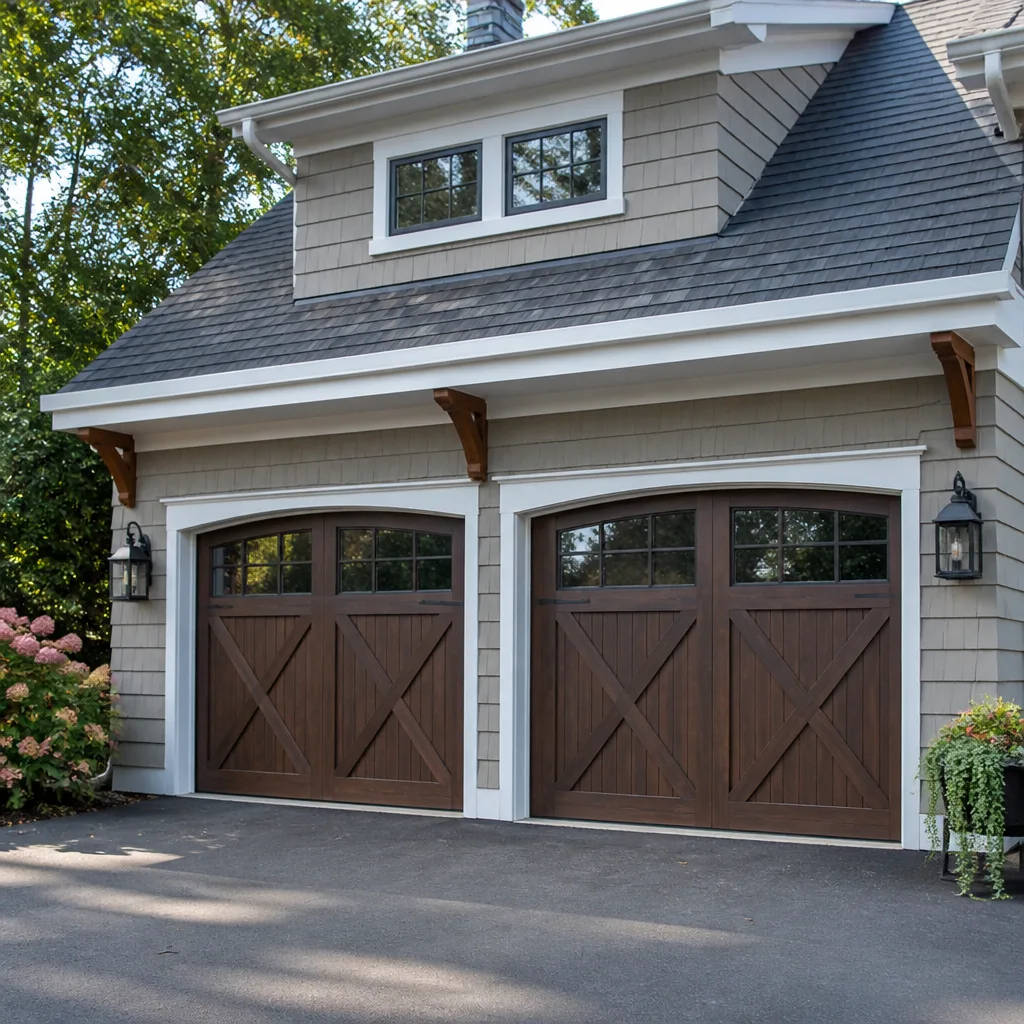 Carriage house
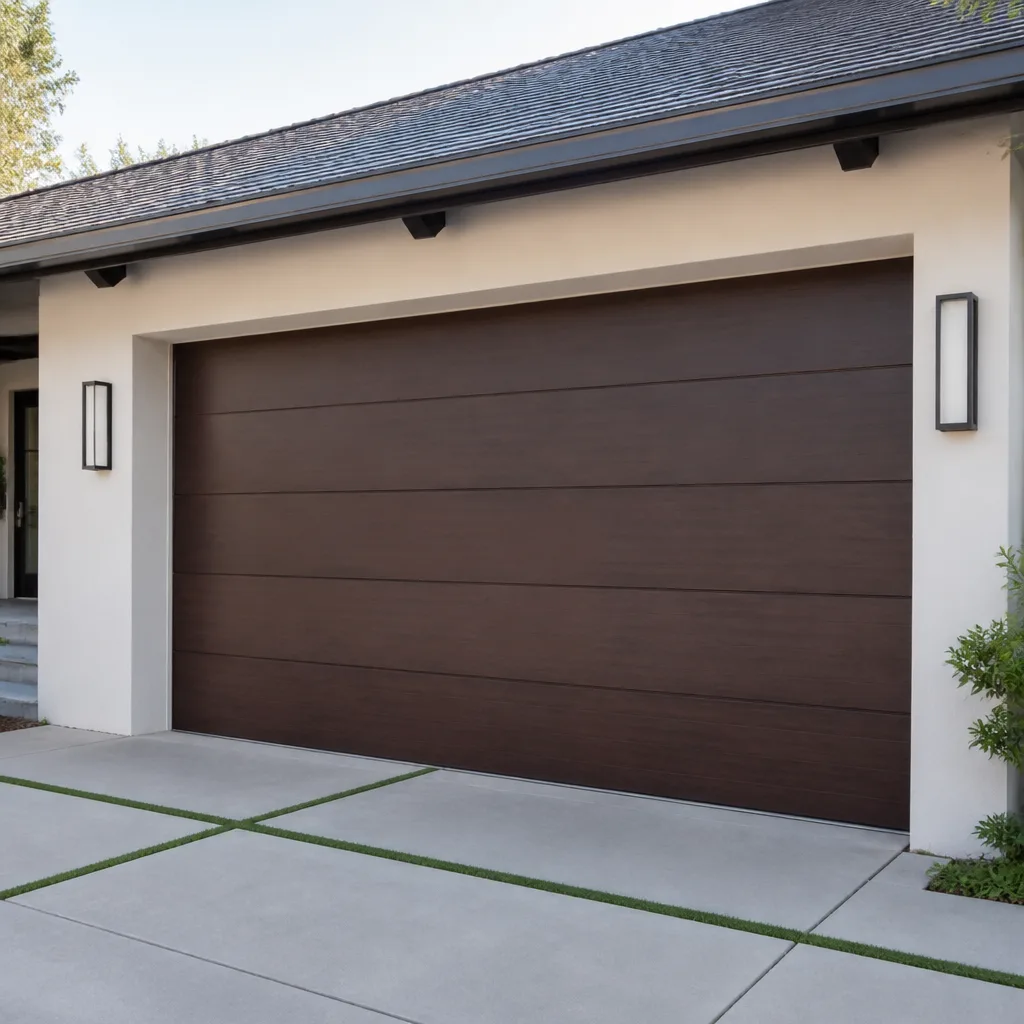 Modern flush
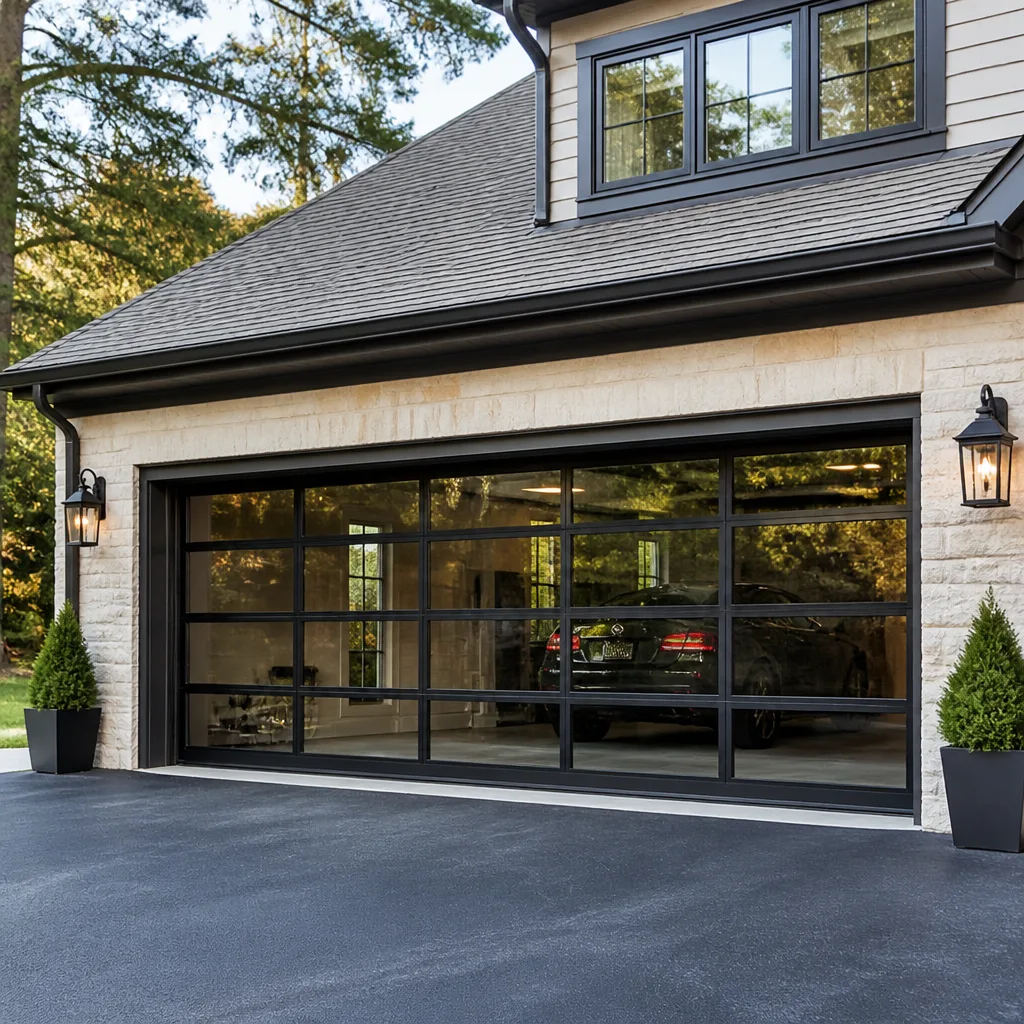 Full-view glass
 LiftMaster openers
 Chamberlain openers
Full 25-point door and opener safety check with every visit - springs, cables, rollers, tracks, and your LiftMaster or Chamberlain opener included
You get a price before we start. It does not change when the pro arrives.
Get your free estimateGarage Door Warning Signs: A Greater East Side Homeowner’s Reference Guide
A garage door that takes two seconds longer to open than it did last month is not “getting old” – it’s telling you something specific about springs, cables, or tracks that a technician can pinpoint in minutes if you catch it now. Most homeowners treat a garage door like a light switch: it either works or it doesn’t. In reality, these doors broadcast their problems for days or weeks before they quit, and nearly every warning gets filed away as normal aging. This guide is written from Greater East Side, where winters test every moving part on a door, and it will teach you to read those signals so you decide when to fix the problem instead of letting the problem decide for you.
Quick Answer
The main warning signs of a failing garage door are unusual sounds (grinding, popping, squealing, banging), visible cable fraying, an uneven gap along the bottom seal, rust streaks on springs, and changes in how fast or smoothly the door moves. Any single one of these means the door needs a professional look, and a loud bang followed by a door that won’t lift means you should stop using it immediately. Catching these signals early is almost always cheaper than waiting for a breakdown.
Styles & brands we work with
- Raised-panel steel
- Carriage house
- Modern flush
- Full-view glass
- LiftMaster openers
- Chamberlain openers
Table of Contents
- Sound-Based Diagnostics: What Each Noise Means
- Visual Warning Signs Homeowners Overlook
- Movement and Timing: Reading Your Door’s Behavior
- Cold-Weather Warning Signs Specific to Greater East Side
- The Traffic-Light Framework: Green, Yellow, Red
- A Seasonal Walk-Around You Can Do Yourself
- Common Mistakes to Avoid
- When to Call a Professional
Sound-Based Diagnostics: What Each Noise Means
Your ears are the fastest diagnostic tool you own, and garage doors are loud enough that changes in sound are easy to notice once you know what you’re hearing. The key distinction is between sounds that mean “this needs lubrication or adjustment” and sounds that mean “stop using this door right now.” Learning that difference protects both your door and your safety.
Here’s what each common sound typically points to:
- Grinding: Usually metal-on-metal contact, often from worn rollers or a door that has slipped out of track alignment. Grinding that gets louder over several days is a yellow light – schedule service soon rather than waiting for a roller to seize.
- Popping: A sharp pop during operation often points to a torsion spring under stress or a cable jumping its drum. If you hear a single loud pop followed by the door refusing to lift, that’s a red light. Stop using the door.
- Squealing: The most forgiving sound on this list. Squealing usually means dry hinges, rollers, or bearings that need lubrication. It’s a green-to-yellow signal depending on how long it’s been going on.
- Banging: A door that bangs or slams at the end of its travel is telling you the opener’s force settings or travel limits are off, or that a spring has lost tension. This wears out panels and opener gears fast.
- Rattling: Loose hardware – bracket bolts, hinge screws, roller stems. Worth tightening, but if the rattle persists after a basic check, something is loosening itself and needs a look.
The dividing line is simple. Squealing and light rattling are “lubricate and check” sounds. Grinding, popping, and banging are “call someone” sounds, and a pop followed by a dead door is “stop now.” We’ve seen plenty of Greater East Side doors where a homeowner waited out a grinding noise for a month and ended up with a bent track and a much bigger repair. Our technicians have up to 15 years of experience reading exactly these signals, and a free estimate will tell you which category your door is in.
Visual Warning Signs Homeowners Overlook
The most important warning signs are the ones you walk past every day without registering. A quick visual check takes under a minute and catches problems that sounds haven’t announced yet. Here’s what to look for, in order of how often it gets missed.
- Cable fraying at specific points. Look at the cables running along each side of the door, especially where they wind onto the drums at the top corners and where they attach at the bottom brackets. Frayed strands, kinks, or a cable that looks like it’s riding outside its groove are a red light. A snapped cable can whip with real force – do not touch it or try to rewind it yourself.
- An uneven gap at the bottom seal. Stand inside with the door closed and look at the daylight under it. If one side shows a gap and the other doesn’t, the door is out of level, which usually traces back to a cable, spring, or track issue. An uneven seal also lets in cold air and, in Greater East Side winters, snowmelt that refreezes and stresses the bottom panel.
- Rust patterns on springs. Extension springs mounted above the door tracks rust in specific places – usually the hook ends and the coils nearest the brackets. Torsion springs on the header above the door show rust along the coil. Surface rust alone isn’t an emergency, but rust combined with age and any popping sound means the spring is closer to failing than you’d guess.
- Bent or gapped tracks. Tracks should be straight and evenly spaced from the door. A visible kink, a track that’s pulled away from the frame, or rollers sitting loose in the channel all point to impact damage or worn hardware.
- Sagging panels and cracked hinges. A top section that sags in the middle, or hinges with visible cracks at the screw holes, means the door’s structure is tired. These rarely fail suddenly, but they compound.
Any of these is worth a professional look, and the cable and spring items are worth acting on this week. If you’d rather have trained eyes on it, garage door repair starts with a full inspection of exactly these points.
Movement and Timing: Reading Your Door’s Behavior
How your door moves is data. A door that’s running well moves at a steady speed in both directions, starts and stops smoothly, and reverses instantly when something blocks it. When any of that changes, the door is reporting a mechanical problem – not just “getting old.”
Watch for these movement irregularities:
- Slower opening than last month. A door that’s noticeably slower usually has a spring that’s lost tension or an opener working harder than it should. This is the classic early warning that precedes a spring failure.
- Jerky or uneven travel. A door that stutters on the way up or down often has a binding track, a worn roller, or a cable that’s slipped. Jerkiness puts stress on the opener’s gears, and those gears are expensive to replace.
- Stopping short or reversing on its own. This is usually a safety sensor issue, but it can also be a door binding badly enough that the opener’s force limit trips. Don’t override the safety system to force it closed – that’s how doors come down on cars and people.
- One side lifting before the other. A door that comes up crooked means the two sides are out of balance, almost always a cable or spring problem. Stop using it and get it looked at.
- The door not staying up when you lift it by hand. Disconnect the opener and lift the door halfway. A balanced door stays put. If it drops or feels unusually heavy, the springs aren’t doing their job.
These timing and balance clues are exactly what a technician checks first, because they narrow down the cause fast. Modern openers from LiftMaster and Chamberlain are also good at reporting trouble – if the wall unit is flashing an error code, that’s the door talking to you in plain language. Our garage door opener repair service covers diagnostics across every major opener brand.
Cold-Weather Warning Signs Specific to Greater East Side
Greater East Side winters are hard on garage doors in ways that don’t show up in July. Metal contracts in the cold, lubricant thickens, and the freeze-thaw cycle works on every seal and joint. The frustrating part is that many cold-weather warning signs vanish when the weather warms up, which convinces homeowners the problem fixed itself. It didn’t. It’s just waiting for next winter.
Here’s what the cold months reveal:
- Stiff, slow operation on cold mornings. A door that labors when it’s below freezing and runs fine by afternoon has thick or dried-out lubricant, or a spring that’s aging. Cold makes a marginal spring fail, which is why so many spring breaks happen in winter.
- Frost or ice along the bottom seal. A seal with an uneven gap lets in snowmelt that refreezes and glues the door to the floor. If you’ve had to break the door free with a pry bar, the seal needs replacing and the door needs leveling.
- Icicles or frost on the door’s interior face. This points to air leaks around the perimeter, often from worn weatherstripping. It also means your garage is losing heat, which matters if there’s a room above it.
- Louder operation in the cold. Everything sounds worse at zero degrees, but a door that gets dramatically louder in winter has lubrication or alignment issues that warm weather is masking.
- Doors that won’t close completely. Cold-stiffened tracks and swollen seals can stop a door an inch short. Some openers will reverse automatically, which looks like a sensor problem but is really a weather-seal problem.
In our experience across Greater East Side, the homeowners who have their doors checked in fall avoid the mid-January emergency call entirely. If your door showed any of these signs last winter and seems fine now, that’s the best time to have it looked at – before the next cold snap finds the weak spot. We also see this pattern in neighboring communities, and our Garage Door Repair Greater East Side page covers how we handle the full range of cold-weather failures.
The Traffic-Light Framework: Green, Yellow, Red
Once you know what to look for, the hard part is deciding what to do about it. We use a simple three-color system that turns a dozen different warning signs into one clear decision. It’s the same framework our technicians use when a homeowner describes a problem over the phone.
Green: Monitor It
Green-light issues are maintenance items. The door is safe to use, and you can keep an eye on things without scheduling a visit. These include light squealing, minor rattling, cosmetic surface rust, and a seal that’s a little worn but still keeping weather out. Green doesn’t mean ignore forever – it means note it and check again in a few weeks.
Yellow: Schedule Service Soon
Yellow-light issues mean the door still opens and closes, but something is wearing in a way that gets more expensive the longer it runs. Grinding, jerky travel, a visibly slower door, frost along an uneven bottom seal, and rust on springs all land here. Book service within the next couple of weeks. You’re not in danger, but you’re using up the margin – and a yellow light left alone tends to become red at the least convenient moment.
Red: Stop Using the Door Now
Red-light issues mean stop. A loud bang followed by a door that won’t lift, a snapped or frayed cable, a door hanging crooked, a door that reverses or drops on its own, or any door that won’t stay up when lifted by hand – all of these are red. Stop operating the door, leave it where it is, and call for service. Never try to fix a cable or spring yourself. Those components are under high tension, and a failure can cause serious injury. This is the one part of the guide we ask you to take literally.
If you’re unsure which color you’re looking at, describe the symptom to us and we’ll help you sort it out. We offer free estimates across Greater East Side, and emergency service is a core part of what we do, not an afterthought.
A Seasonal Walk-Around You Can Do Yourself
A five-minute visual check a few times a year catches most problems before they become repairs. You don’t need tools for most of it. Here’s the routine we recommend to Greater East Side homeowners.
- Look at the door from across the street. Does it sit level in the opening? Is any panel sagging or bent? Are the tracks straight and parallel?
- Look at the cables. From a safe distance, check the cables along the sides for fraying, kinks, or slack. Don’t touch a cable that looks damaged – just note it.
- Look at the springs. Note rust at the ends and along the coils. A broken spring is usually obvious – there’s a visible gap in the coil.
- Check the bottom seal. Close the door and look for daylight or gaps underneath. Run your hand along the seal to feel for hard or missing sections.
- Test the safety reverse. With the door open, place a block of wood or a roll of paper towels on the floor in the door’s path and close it. The door should reverse on contact. If it doesn’t, stop and get the opener checked.
- Listen on the next cold morning. A door that’s louder or slower when it’s freezing is telling you something, and it’s worth writing down so you can describe it accurately.
That’s the whole routine. What it can’t do is see inside the spring assembly or measure cable tension, which is why an annual professional inspection is worth it – especially for a door that’s been through several Greater East Side winters. If you’re considering a newer opener or a whole new door to sidestep the aging hardware, garage door installation starts with a free measure and a written price, since replacement work is measured and scheduled rather than done on the spot.
Common Mistakes to Avoid
- Treating a slowdown as normal aging. A door that opens slower than it did last month is a spring or opener issue, not a personality change. Waiting for it to break means paying for a failure instead of a fix.
- Lubricating away a grinding noise. A quick spray of lubricant on squealing hinges is fine, but spraying a binding track or worn roller just hides the symptom. Grinding means metal is touching metal, and oil doesn’t fix that.
- Ignoring a warning that disappears in spring. Cold-weather symptoms that vanish in warm weather are the most commonly dismissed signs in Greater East Side. A door that labors only in winter has a real problem that’s waiting for the next freeze.
- Trying to fix a spring or cable yourself. These are under extreme tension, and the risk of serious injury is real. There’s no safe homeowner fix for a broken spring or a snapped cable – this is a trained-professional job.
- Overriding the safety reverse. If the door reverses on the way down or won’t close, the safety system is doing its job. Never hold down the wall button or adjust the force settings to get around it.
- Replacing the whole door when only the opener failed. A dead opener usually means opener repair, and an opener that’s beyond saving is still a separate decision from the door itself. Get a diagnosis before you assume the worst.
- Waiting for the busiest season to get service. Winter is when garage doors fail hardest, and that’s when a fast response matters most. Getting a yellow-light issue looked at in fall is far easier than calling in a January cold snap.
See the difference
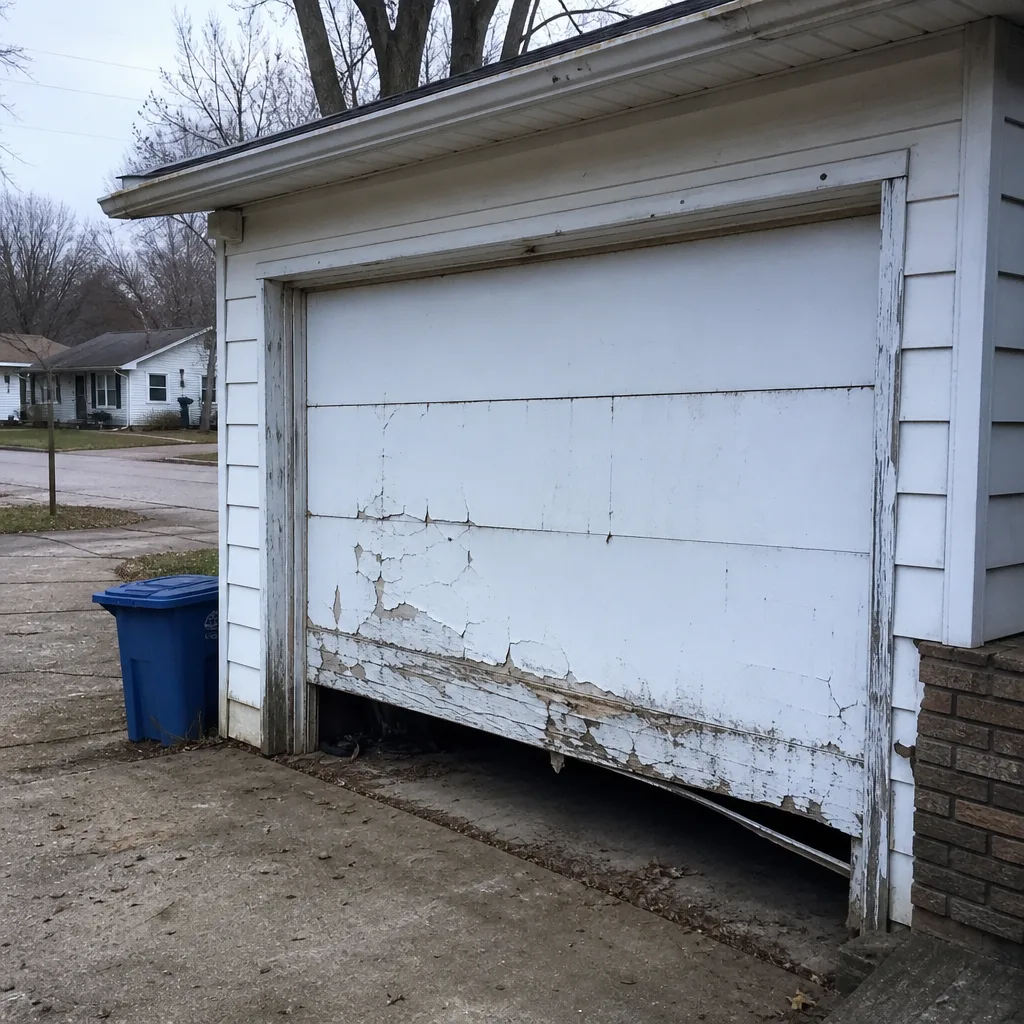 Before
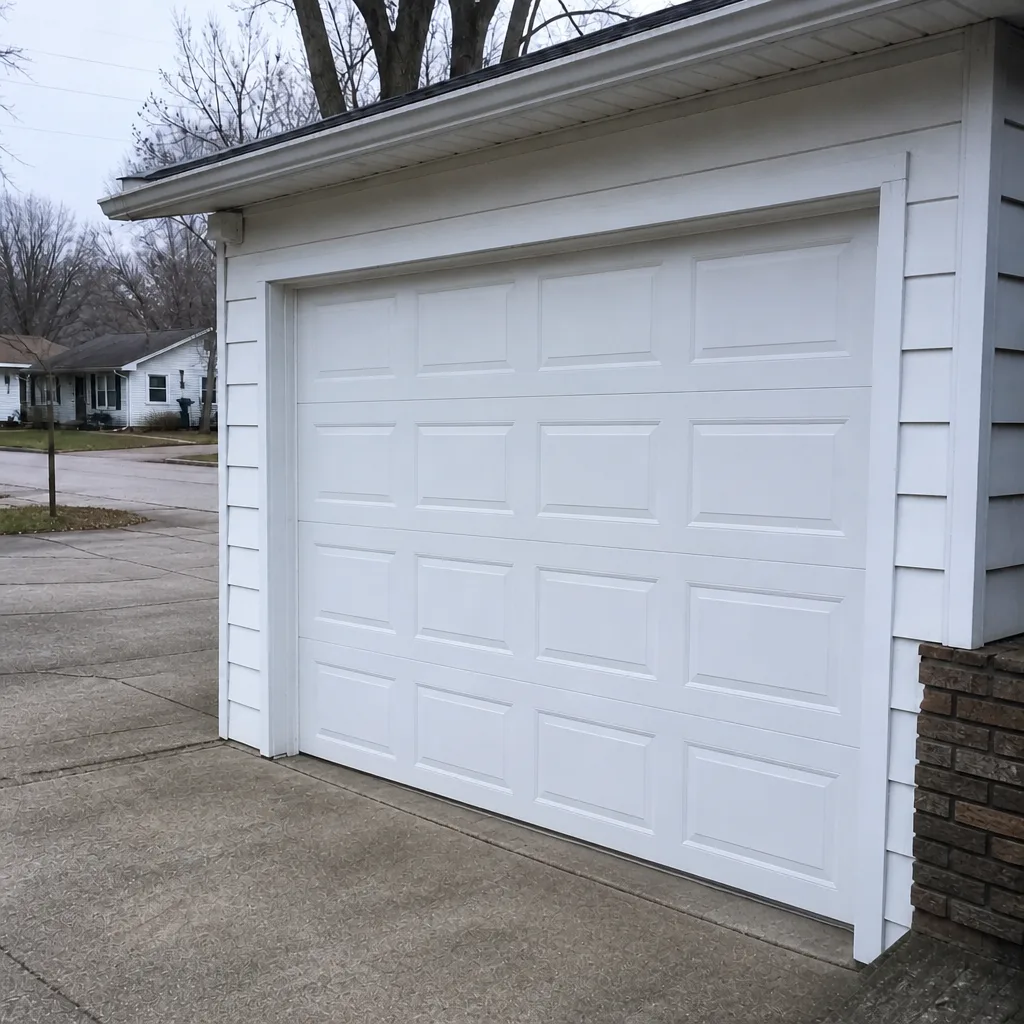 After
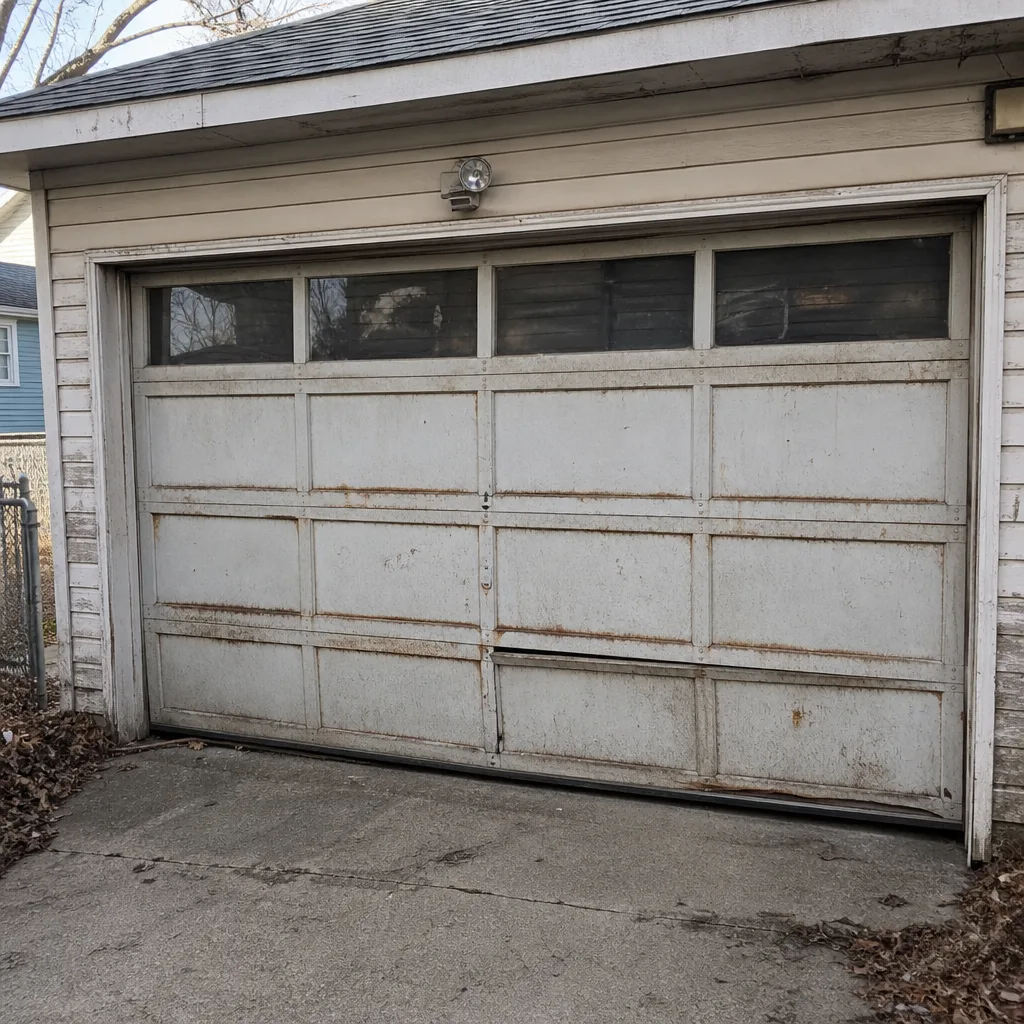 Before
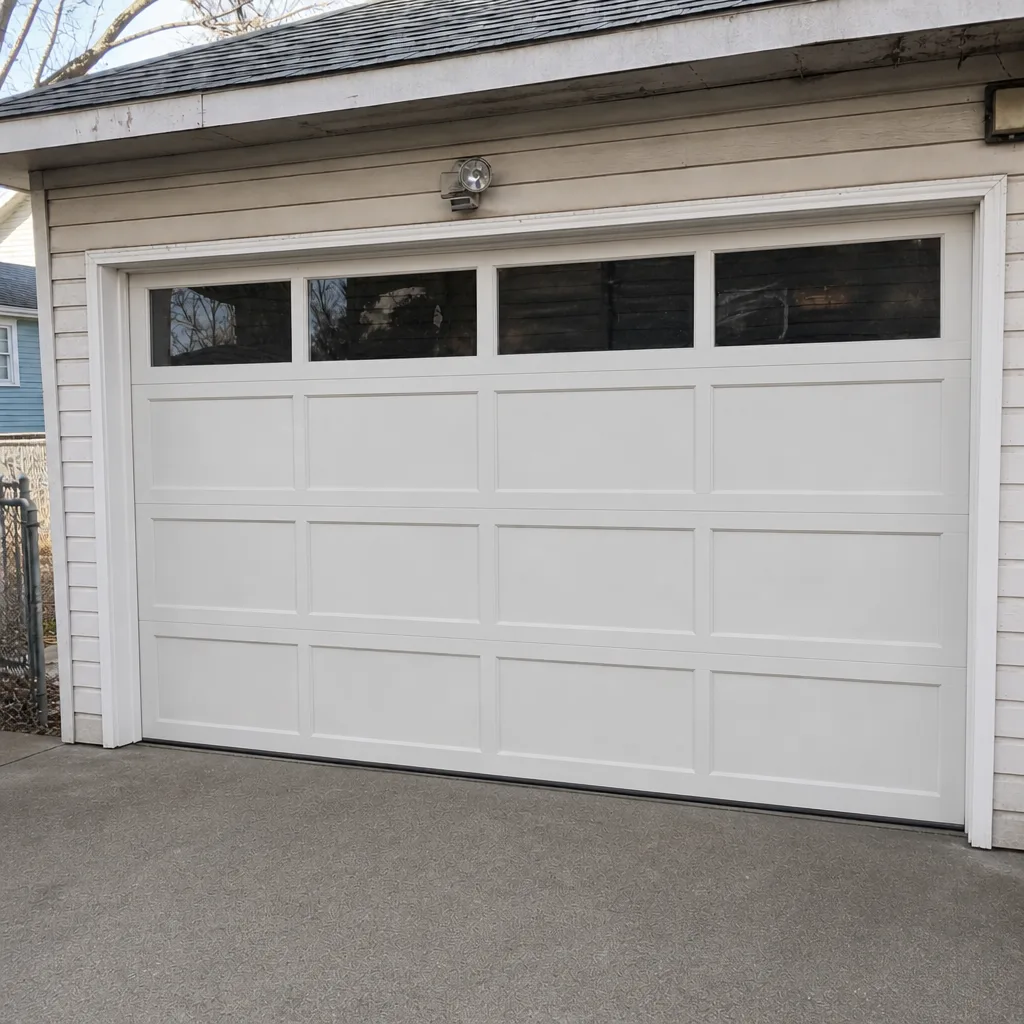 After
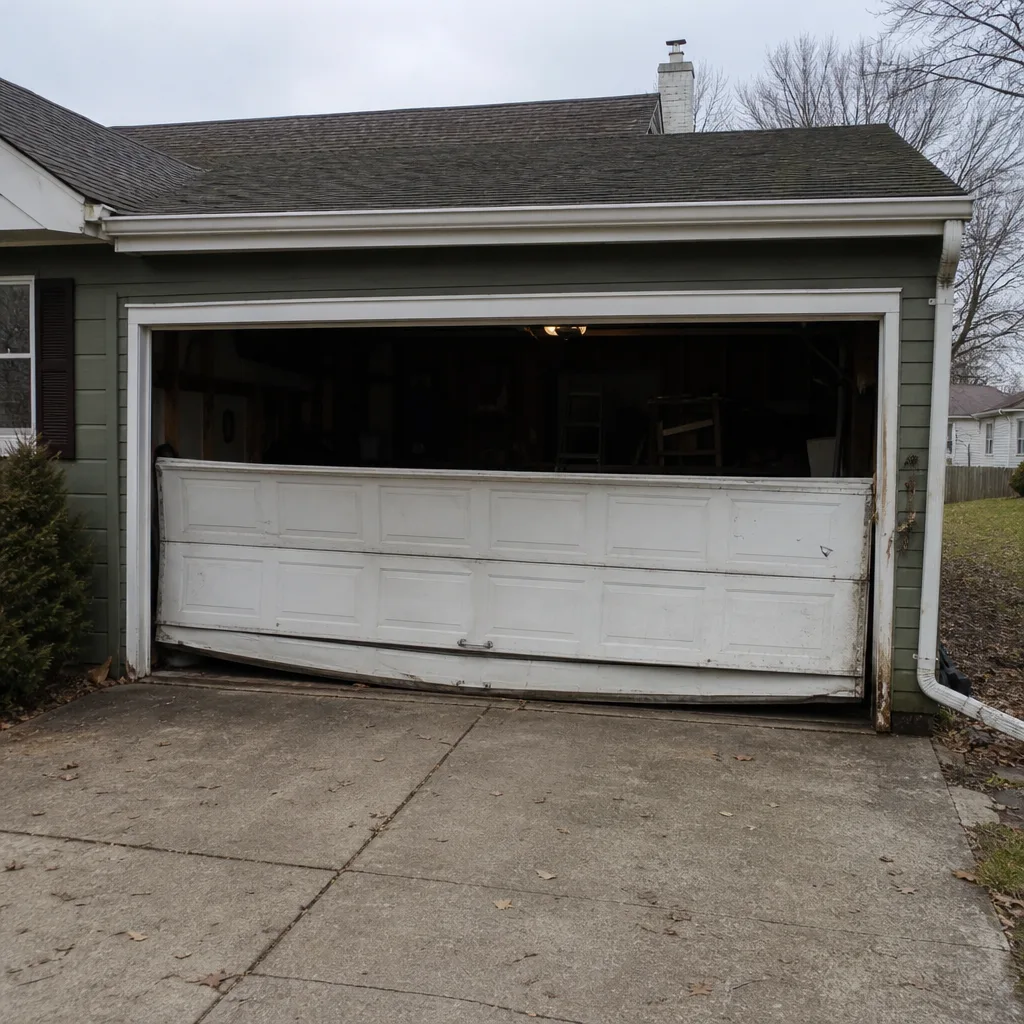 Before
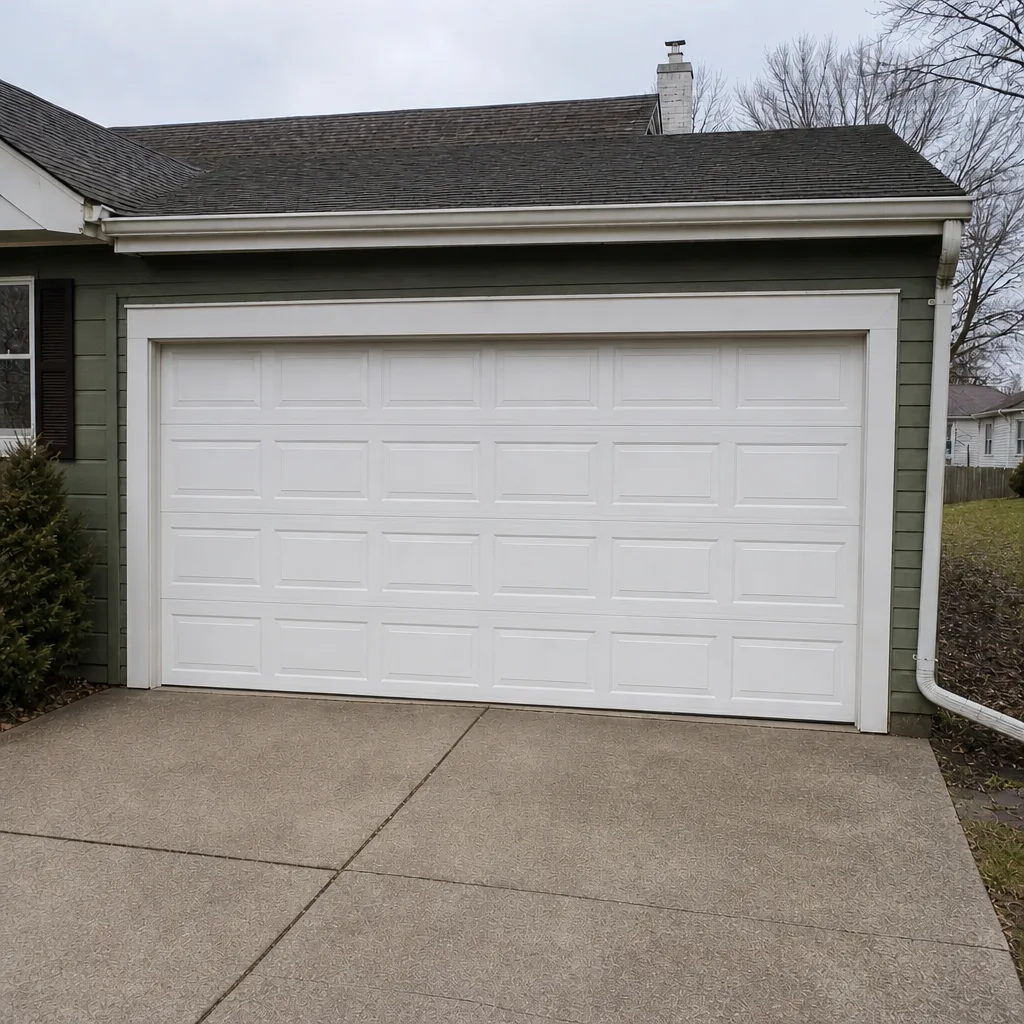 After
When to Call a Professional
Call a professional when you hear grinding, popping, or banging; when you see frayed cables, a crooked door, or rust on the springs; or when the door stops, reverses, or drops without being told to. Call immediately if a loud bang is followed by a door that won’t lift – that’s a broken spring or cable, and the door should not be used. Call if the door is slower than it was a month ago, if it won’t stay up when lifted by hand, or if it showed cold-weather symptoms last winter and seems fine now. Garage Door Repair Greater East Side offers free estimates in Greater East Side – call (866) 989-9389 and describe what you’ve noticed. Our technicians have up to 15 years of experience, and emergency service is part of what we do. The price is agreed before any work starts, so there are no surprises on the invoice.
Frequently Asked Questions
The most common warning signs are unusual sounds like grinding, popping, or squealing, visible cable fraying, an uneven gap along the bottom seal, rust on springs, and a door that moves more slowly or unevenly than it used to. Any one of these means the door needs a professional look. Catching two or more together means schedule service soon rather than waiting. Call (866) 989-9389 for a free estimate.
Yes, if the bang is followed by the door refusing to lift or hanging crooked. That combination almost always means a broken spring or cable, and the door should not be used until it’s repaired. Stop operating the door, leave it where it is, and call for service. A single pop without a dead door is still worth a call – it’s often a spring under stress. Emergency service is a core part of what we do at Garage Door Repair Greater East Side.
No. Garage door springs and cables are under high tension, and a failure can cause serious injury – this is not a homeowner repair. A trained professional has the right tools and handling procedures to replace springs safely. Even a spring that looks intact but isn’t lifting the door correctly should be handled by a technician. Call (866) 989-9389 and we’ll take care of it safely.
Cold weather makes aging parts fail, which is why doors that seem fine in summer show stiff, slow, or noisy operation when it freezes. Lubricant thickens, metal contracts, and the freeze-thaw cycle works on seals and joints, so a marginal spring or worn seal that works in July can fail in January. If your door showed symptoms last winter, have it checked before the next cold snap – a summer inspection is the easiest time to catch it.
Cost depends on what’s wrong – a spring or cable repair is a different job from an opener replacement, and the estimate always reflects the specific issue. The important part is that you get a written, upfront price before any work begins, so the final invoice matches the quote. Call (866) 989-9389 for a free estimate and we’ll walk you through what the repair involves.
No. The price is quoted and agreed before any work starts, so the written estimate is the price. If the technician finds something unexpected, you’ll hear about it before anything is done, and you’ll decide. We don’t start work on a price you haven’t approved. Call (866) 989-9389 for a free estimate.
The Bottom Line
Garage doors tell you what’s wrong before they break – a grinding roller, a slow spring, a frayed cable, a seal that frosts up in January. Your job is to watch and listen; ours is to read the signals and fix them. Use the traffic-light framework: monitor green, schedule yellow, stop on red. Any trace of a broken spring or cable is the one category where you shouldn’t investigate further. For everything else, catching it early keeps the repair small and the door quiet. If you’re in Greater East Side and your door has been sending signals, we’re one call away, with free estimates and the brand coverage to handle whatever you’ve got.
Call Garage Door Repair Greater East Side at (866) 989-9389 for a free estimate. We work on nearly every major brand – LiftMaster, Chamberlain, Genie, Clopay and more – so there’s no runaround about compatibility. Springs, openers, panels, full replacements: one call covers it. When your garage door won’t move, you don’t have time to wait.
Written by the team at Garage Door Repair Greater East Side.