Last updated November 21, 2026
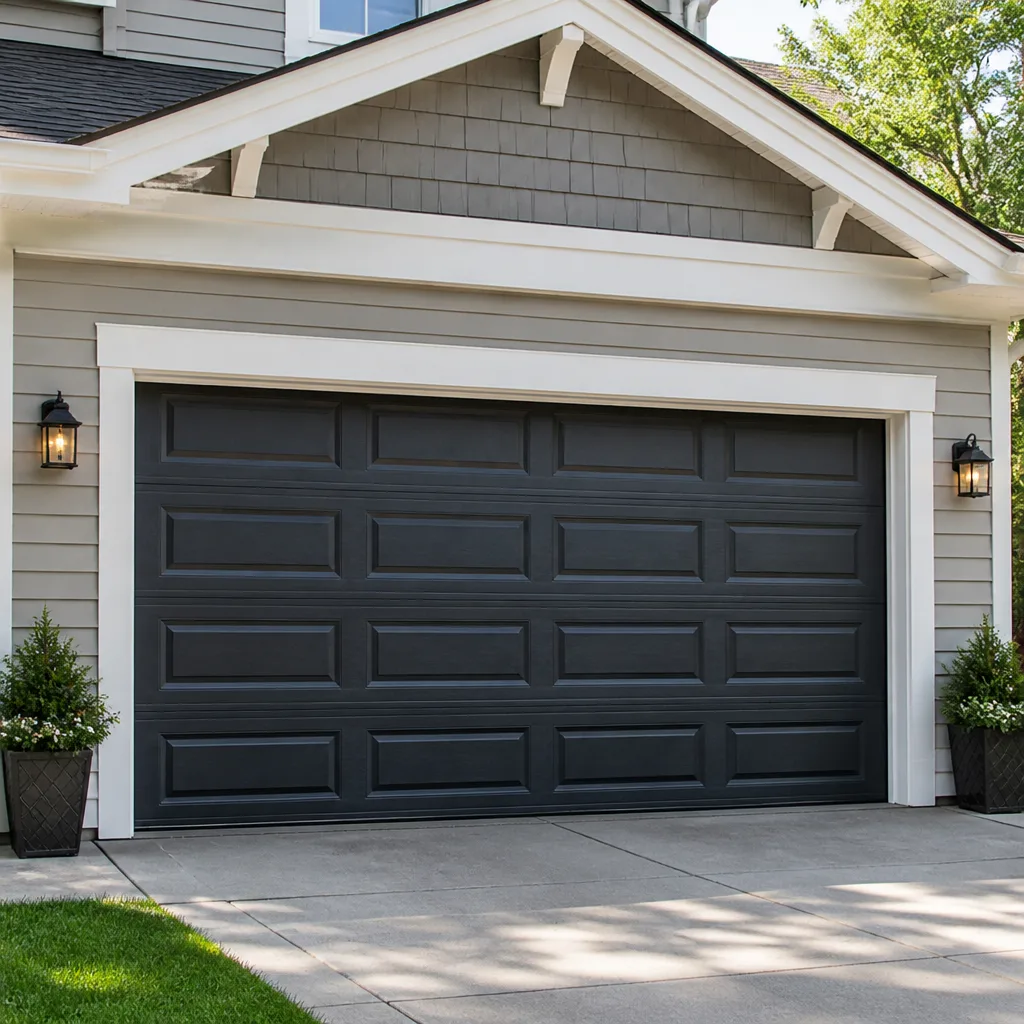 Raised-panel steel
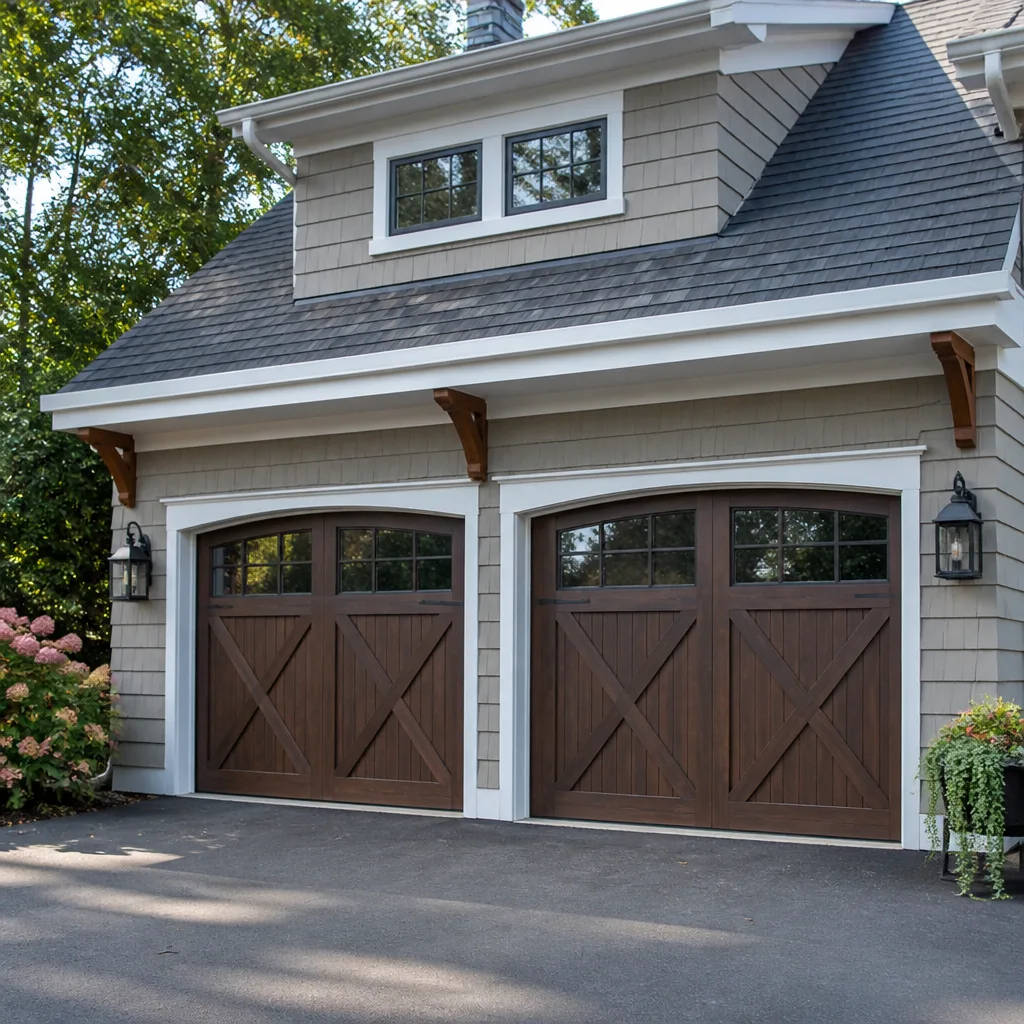 Carriage house
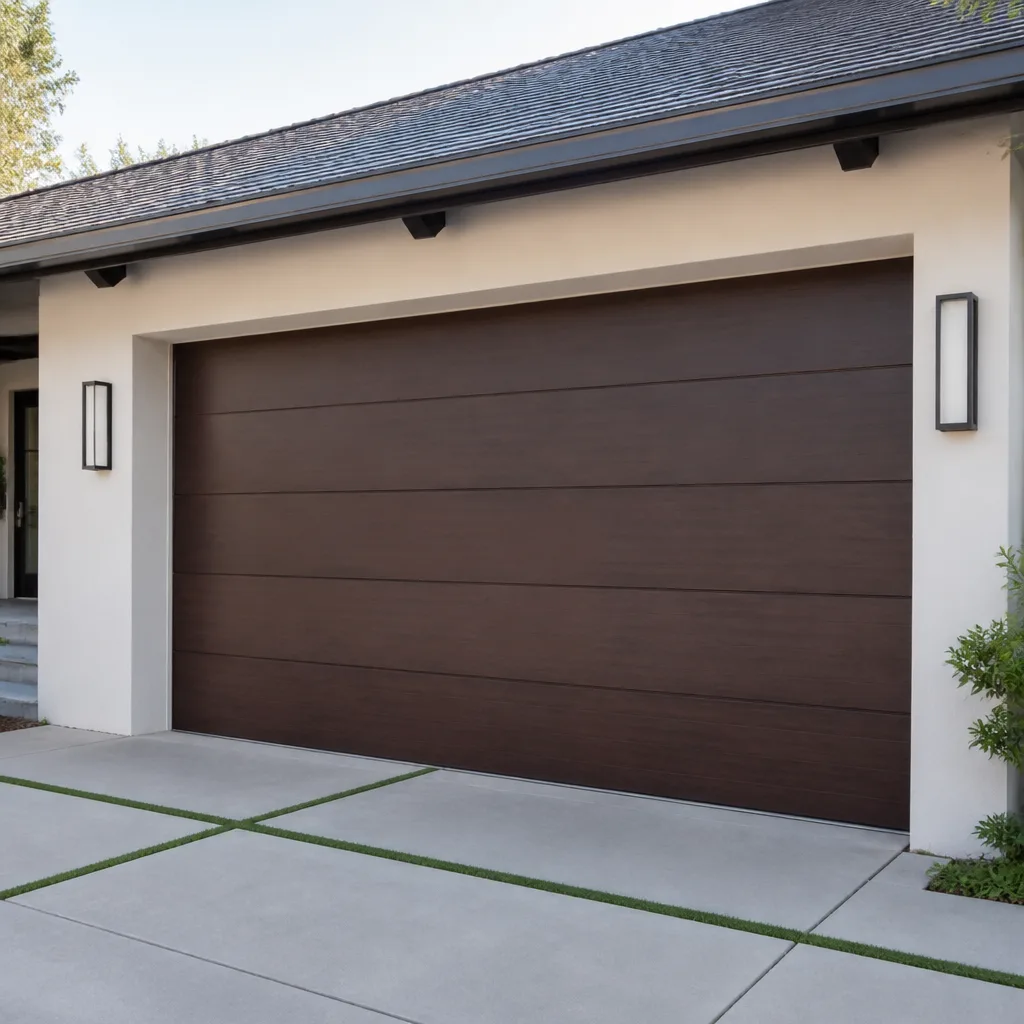 Modern flush
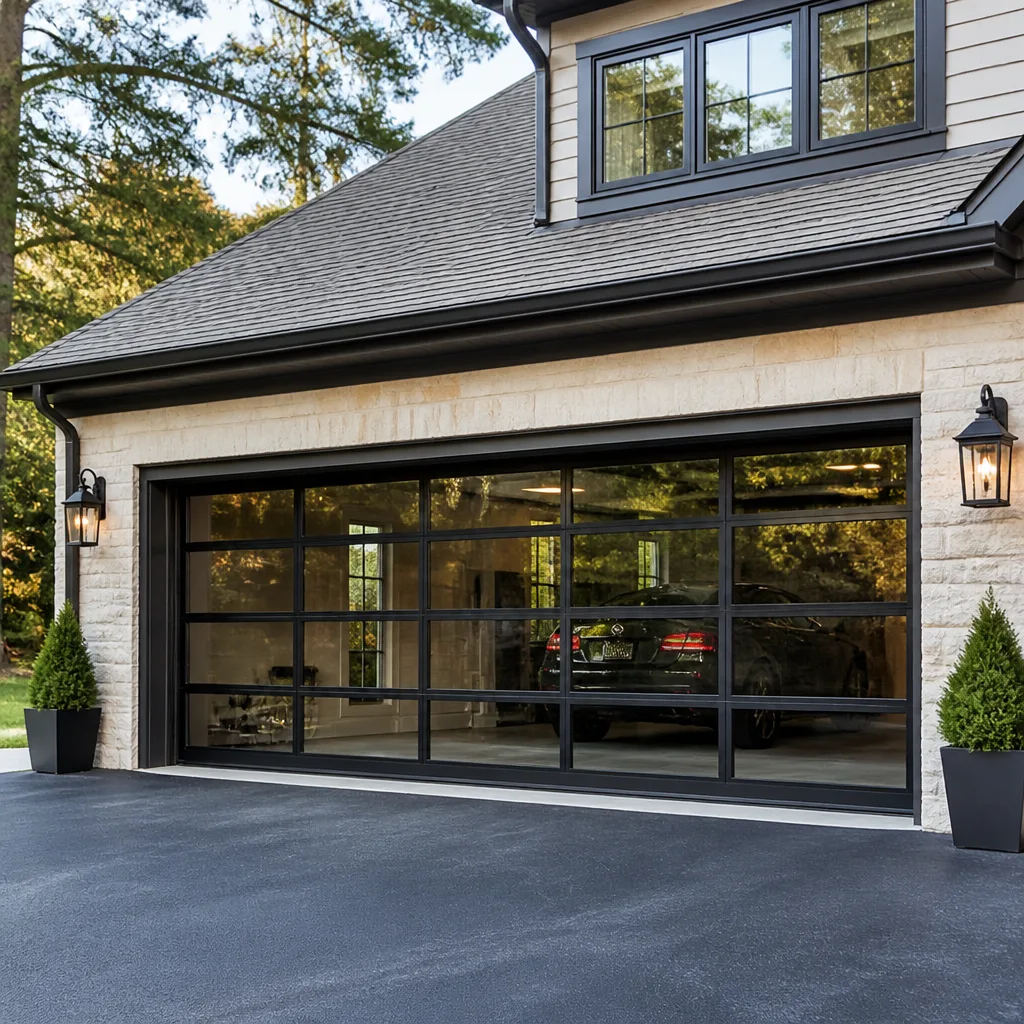 Full-view glass
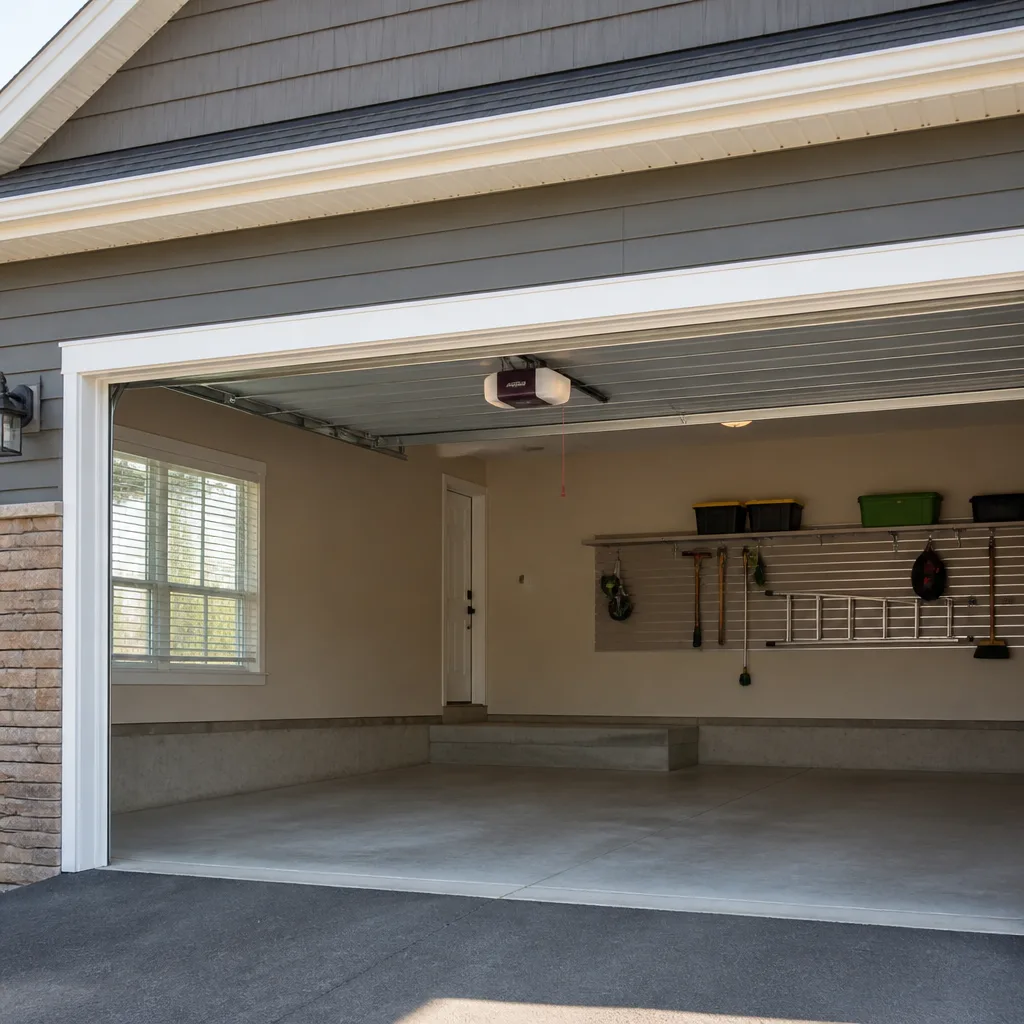 LiftMaster openers
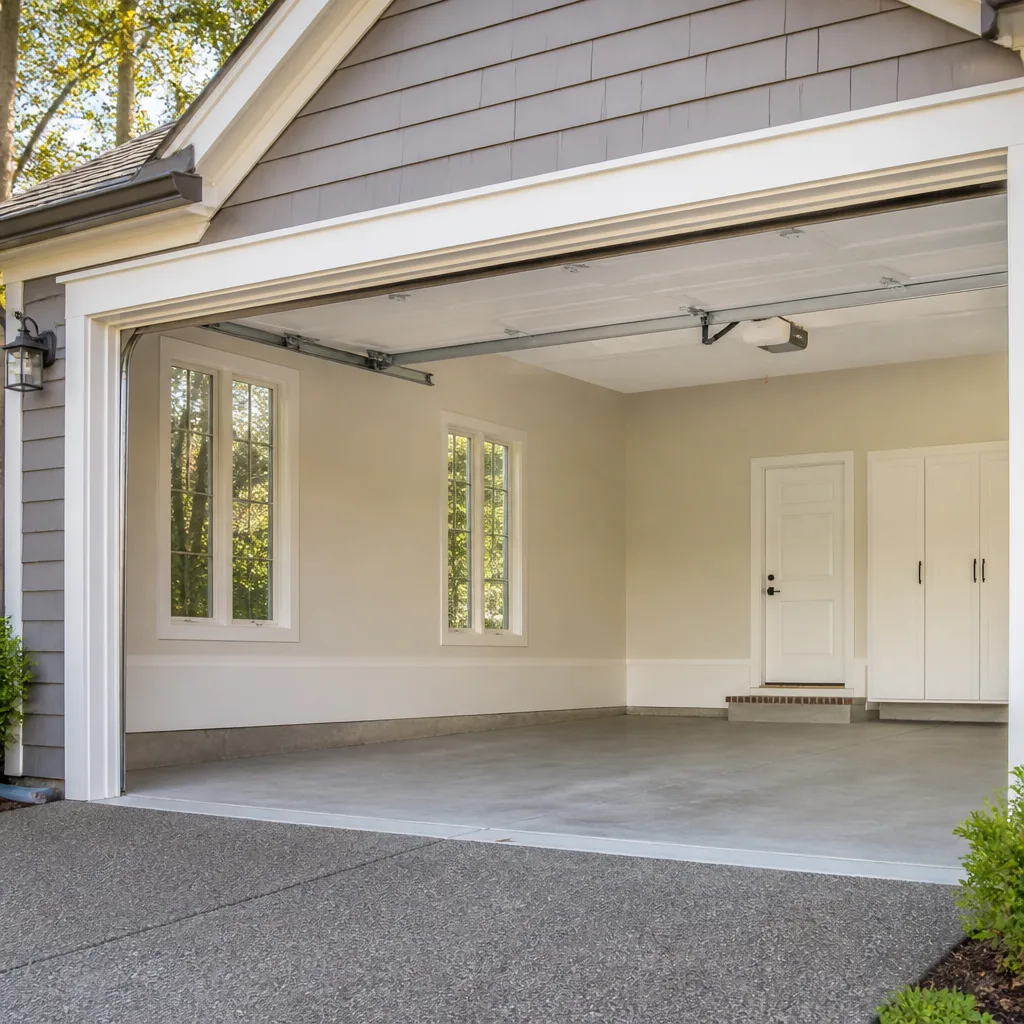 Chamberlain openers
Full 25-point door and opener safety check with every visit - springs, cables, rollers, tracks, and your LiftMaster or Chamberlain opener included
You get a price before we start. It does not change when the pro arrives.
Get your free estimateHow to Hire a Garage Door Contractor in Greater East Side: A Step-by-Step Guide
A national chain will answer your call in 30 seconds and promise a technician in four hours. That sounds like the safe choice. But the person who shows up may have never worked on the spring configuration common in pre-1980 detached garages, which is exactly what a lot of Greater East Side homes have. Picking a garage door contractor here isn’t about who answers fastest. It’s about who actually knows your door. This guide walks you through the exact questions, quote-reading skills, and red flags that separate a real specialist from a fast-talking generalist, so you can hire with confidence in Greater East Side.
Quick Answer
To hire a garage door contractor in Greater East Side, verify three things before you book: that they specialize in garage doors (not general handyman work), that their quote itemizes parts and labor in writing before any work starts, and that they can name your door’s brand and spring type when they assess it. Ask five interview questions, compare itemized quotes rather than flat rates, and never let price alone decide for spring or cable work.
Styles & brands we work with
- Raised-panel steel
- Carriage house
- Modern flush
- Full-view glass
- LiftMaster openers
- Chamberlain openers
Table of Contents
- Specialist, Handyman, or National Franchise: What’s the Difference?
- Five Interview Questions That Reveal Real Expertise
- How to Read a Garage Door Quote
- Licensing and Insurance in Minnesota
- Why the Lowest Bid Often Costs the Most
- What Older Greater East Side Garages Demand
- Springs and Cables: The Safety Line
- Common Mistakes to Avoid
- When to Call a Professional
- Frequently Asked Questions
Specialist, Handyman, or National Franchise: What’s the Difference?
The Greater East Side garage door market splits into three types of provider, and each brings different strengths and blind spots. Knowing which one you’re talking to shapes every question you’ll ask.
- A licensed garage door specialist works on doors and openers all day, every day. They know the difference between a torsion and extension spring setup at a glance, carry the right parts for the major brands, and can diagnose an opener logic board versus a stripped gear without guessing.
- A general handyman may handle a loose hinge or a noisy roller, but spring and cable work involves high-tension components that demand specific training and tools. A handyman who “can take a look” is a risk on the dangerous parts of the job.
- A national franchise offers slick dispatch and call-center convenience, but the technician sent to your door may be a rotating subcontractor unfamiliar with the older door and spring configurations common in Greater East Side’s pre-1980 detached garages.
Why does this matter specifically in Greater East Side? Because the housing stock here includes a meaningful share of older detached garages with extension-spring setups and non-standard track spacing. A specialist recognizes those on arrival. A generalist wings it. When you need garage door repair, the provider’s depth on your specific door type is the whole ballgame.
Five Interview Questions That Reveal Real Expertise
You don’t need to be a garage door expert to vet one. You need five questions that expose whether the person on the phone or at your door actually knows their trade. Ask these before you commit.
- “What brands do you service?” A real specialist names specific manufacturers. If they can service nearly every major brand without brand-matching delays, that’s a good sign. Vague answers like “we handle everything” without specifics are a yellow flag.
- “What’s the difference between a torsion and an extension spring?” Anyone who does spring work regularly can explain this in plain language. Hesitation here means they don’t do this often.
- “Will you measure the door and spring before quoting?” Legitimate contractors measure. A quote given over the phone without seeing the door is a guess, and guesses change once the technician is on site.
- “Is the price quoted before work starts, and is it itemized?” You want a written, itemized estimate you agree to before anyone touches the door. Not a flat number after the fact.
- “Do you handle both opener and door work, or just one?” A full-service specialist covers opener troubleshooting, spring repair, panel replacement, and new installation. If you’d need a second company for half the job, ask why.
A contractor who answers all five cleanly, without deflecting, is telling you they know their trade. In Greater East Side, where door types vary block to block, that fluency matters.
How to Read a Garage Door Quote
The single most useful skill in hiring a garage door contractor is reading the quote. An itemized estimate protects you; a flat rate can hide a lot. Here’s what to look for.
What a good quote itemizes
- Parts, by name and quantity. For spring work, this means specifying one spring or a matched pair, and the spring type (torsion or extension). A matched pair is usually replaced together, and a pair costs about twice a single spring.
- Labor, separated from parts. You should see what you’re paying for the work versus the components.
- Any additional hardware (rollers, hinges, cables, bearing plates) called out individually, not lumped into “miscellaneous.”
- The total, stated as an estimate, with a note that the written estimate sets the final price.
What “flat rate” language often hides
A flat quote for “spring replacement” doesn’t tell you whether it’s one spring or two, torsion or extension, standard or heavy-duty. If the technician arrives and discovers a matched pair is needed, the flat rate can balloon. Ask for line items up front and confirm the price is agreed before work starts. That one habit prevents the invoice-shock scenario most homeowners fear.
Licensing and Insurance in Minnesota
A legitimate garage door contractor in Minnesota should be able to answer licensing and insurance questions without hesitation. If they deflect or get vague, treat it as a serious red flag.
- Ask for proof of insurance. The local pro you work with should carry liability coverage and workers’ compensation as their state requires. A contractor who can’t produce a certificate is shifting risk onto you.
- Ask how they handle the dangerous parts. Spring and cable work involves stored energy that can cause serious injury if mishandled. A safety-trained contractor talks about this openly and doesn’t rush it.
- Ask about permits when relevant. Most cities require a permit for structural changes to a garage or a new door installation. Ask the contractor whether a permit is needed and who pulls it, then confirm with your city’s building department.
None of this is about catching anyone out. It’s about confirming the person working on a high-tension system at your Greater East Side home is properly covered and properly trained. The right contractor expects these questions and answers them plainly.
Why the Lowest Bid Often Costs the Most
The cheapest quote for spring or cable work is frequently the most expensive outcome in the long run. That’s not a sales line; it’s how the economics of the job work. Here’s the simple reason.
Springs and cables are the parts of a garage door that store and release the door’s full weight. A cheap bid usually cuts one of three corners: it replaces a single spring when a matched pair should go together (so the second spring fails soon after), it uses a lighter-duty spring that wears out faster, or it skips the safety inspection of cables and hardware that a proper job includes. Any of those means you’re paying again sooner, sometimes for a repair that a correct job would have prevented.
A bid that’s meaningfully below the others on the same scope of work is telling you something about what’s being left out. Ask what’s included, compare line items, and weigh total cost of ownership, not just today’s number. For spring and cable work especially, the middle bid with a full itemization is usually the honest one.
What Older Greater East Side Garages Demand
Greater East Side’s housing mix includes a real share of older detached garages, and those structures ask more of a contractor than a newer attached garage does. That’s where specialist knowledge separates itself from generalist guesswork.
- Extension-spring setups. Many pre-1980 garages use extension springs with safety cables, a different system than the torsion springs in most newer homes. A contractor unfamiliar with the older configuration may misdiagnose or under-quote.
- Non-standard track spacing and door weights. Older doors vary in weight and dimension. Replacement parts need to match, not just fit approximately.
- Minnesota’s freeze-thaw cycle. The seasonal temperature swings here stress springs, cables, and the door’s balance over time. A contractor who works in this climate regularly knows which components fail first.
- Weather sealing and insulation gaps. Older doors often have worn bottom seals and thin panels, which matter in a cold-climate garage. A good contractor flags these alongside the repair.
When you’re weighing a new door, that older-garage knowledge also informs the choice between brands like Clopay and Amarr, each with different panel and insulation options for the climate. The right fit depends on the door opening you actually have, not on a catalog.
Springs and Cables: The Safety Line
Springs and cables are the one part of garage door work where getting it wrong can genuinely hurt someone. A torsion spring under tension or a cable under load can release violently if handled without the right tools and technique. This is not a job for a curious homeowner or a general handyman working it out as they go.
A well-trained technician uses winding bars and specific procedures to safely release and reset that tension. If a spring has snapped, the correct first move is to stop operating the door and call a professional rather than force it. Door manufacturers and safety organizations consistently recommend trained service for these components, and a real specialist will tell you the same without being asked.
When you compare contractors, ask directly how they handle spring and cable safety. A contractor who takes the danger seriously, and structures the job around it, is the one you want working on your Greater East Side garage. Speed matters less than getting it right when stored energy is involved.
See the difference
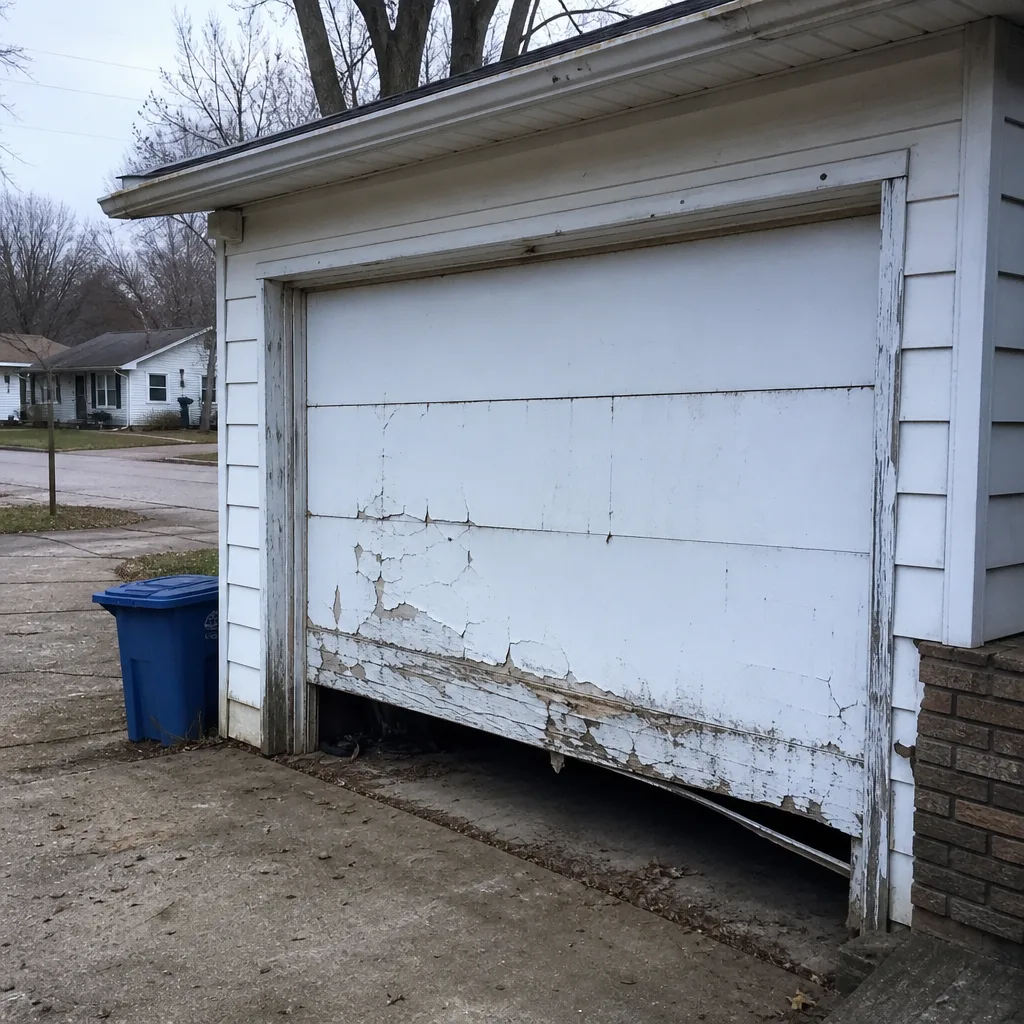 Before
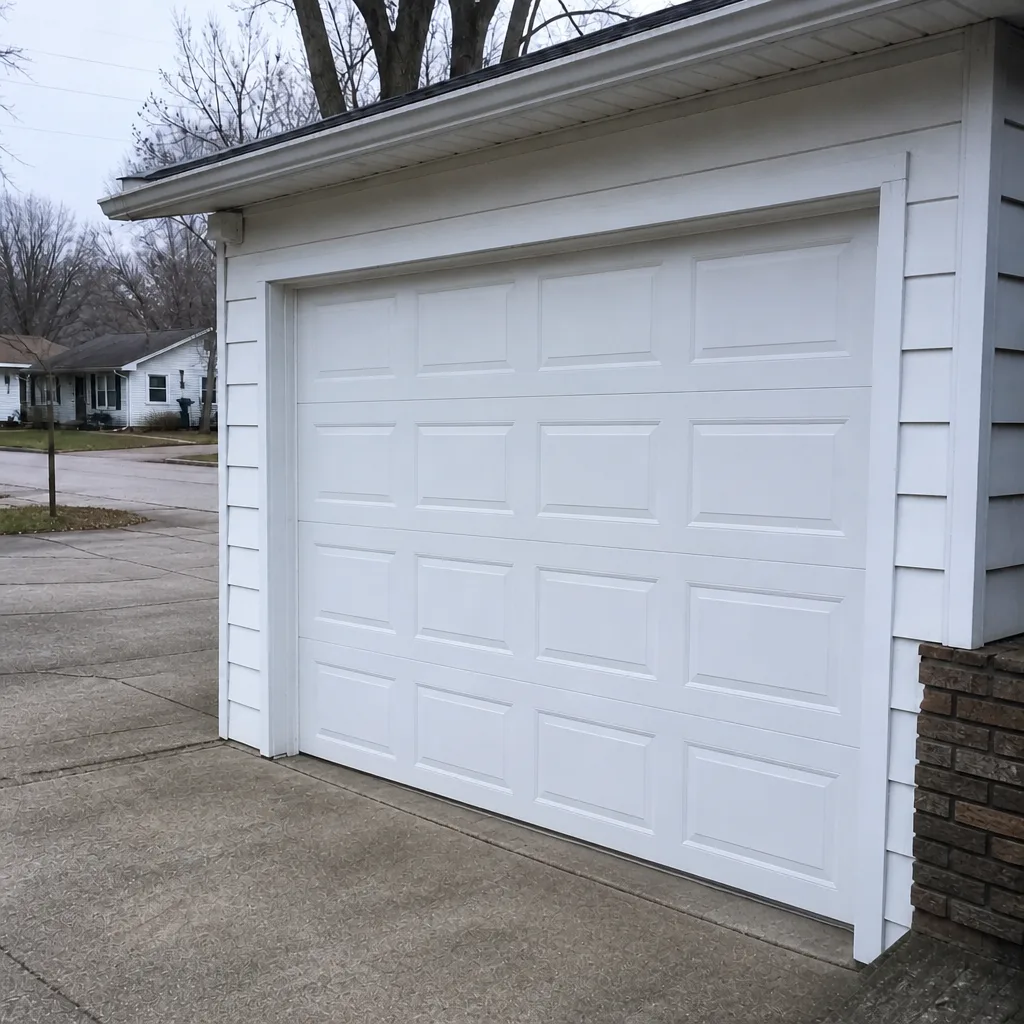 After
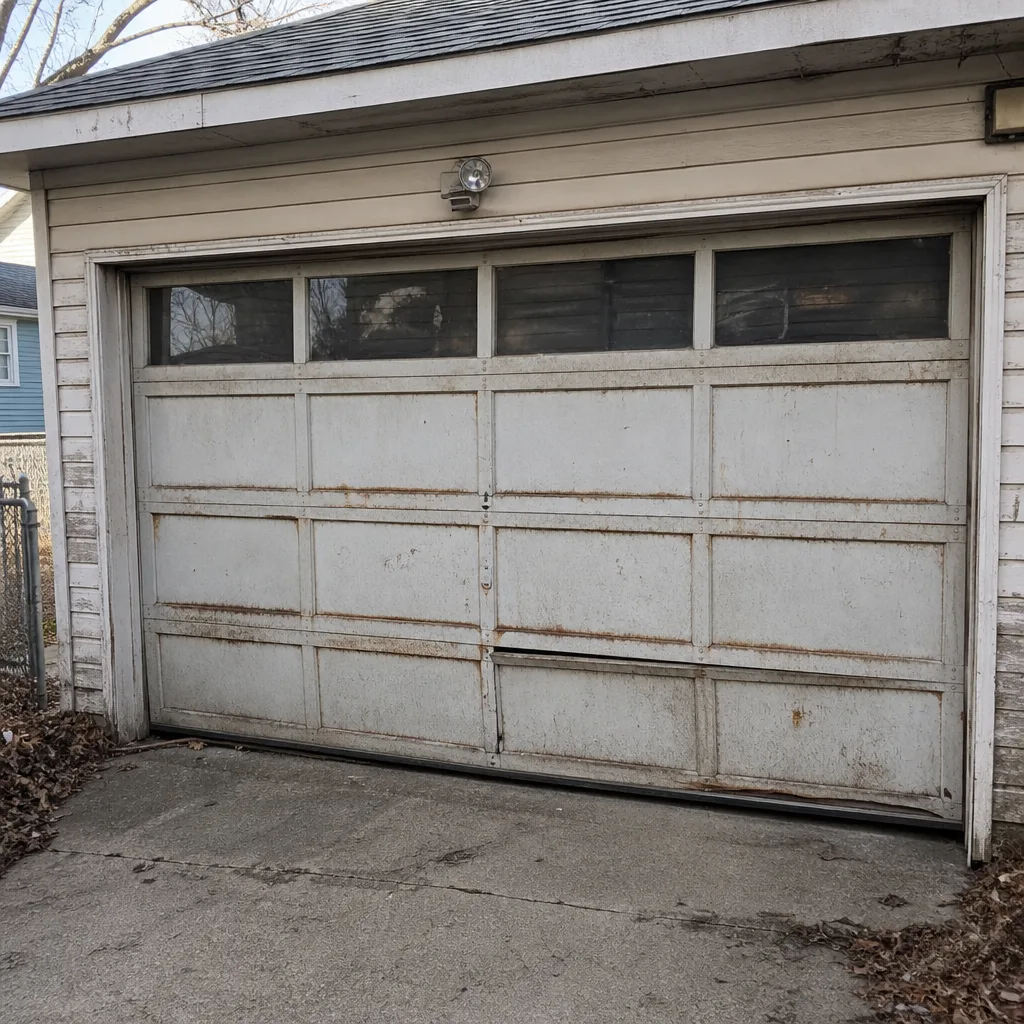 Before
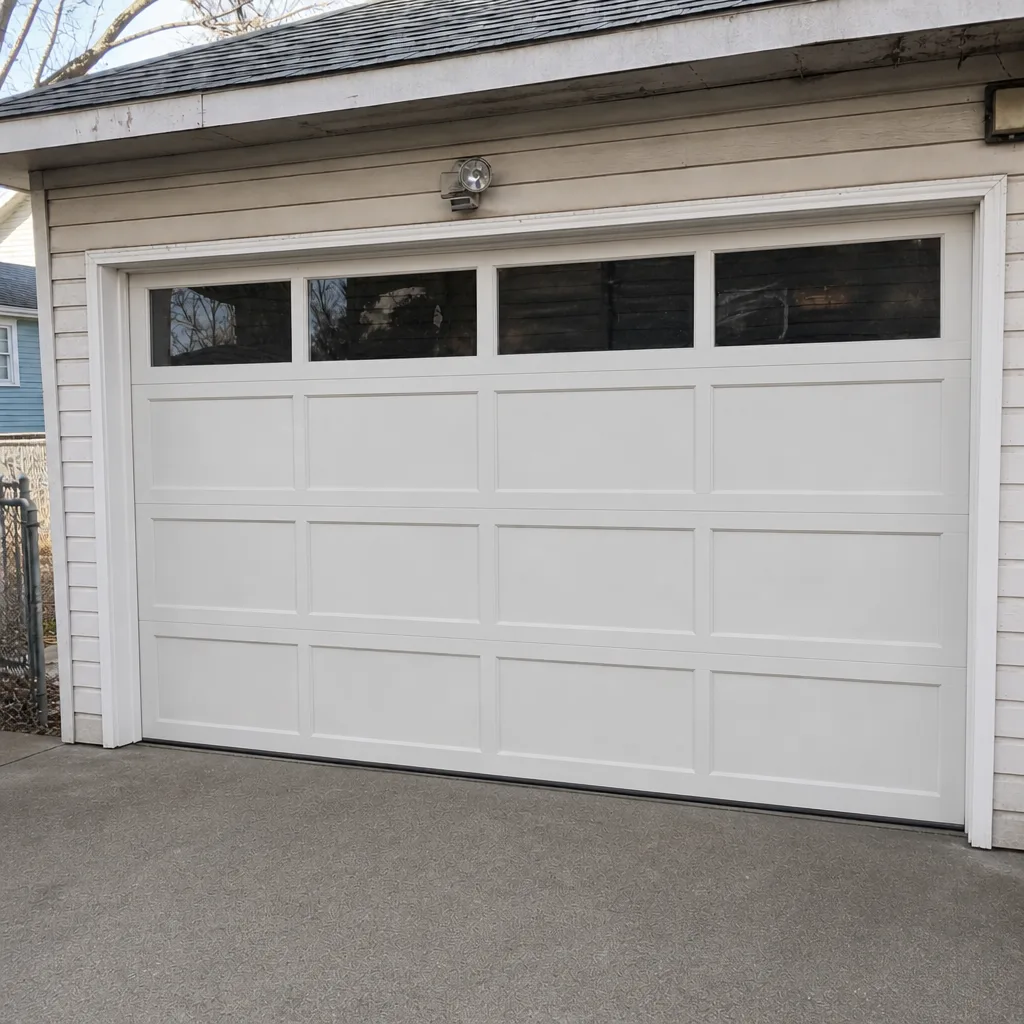 After
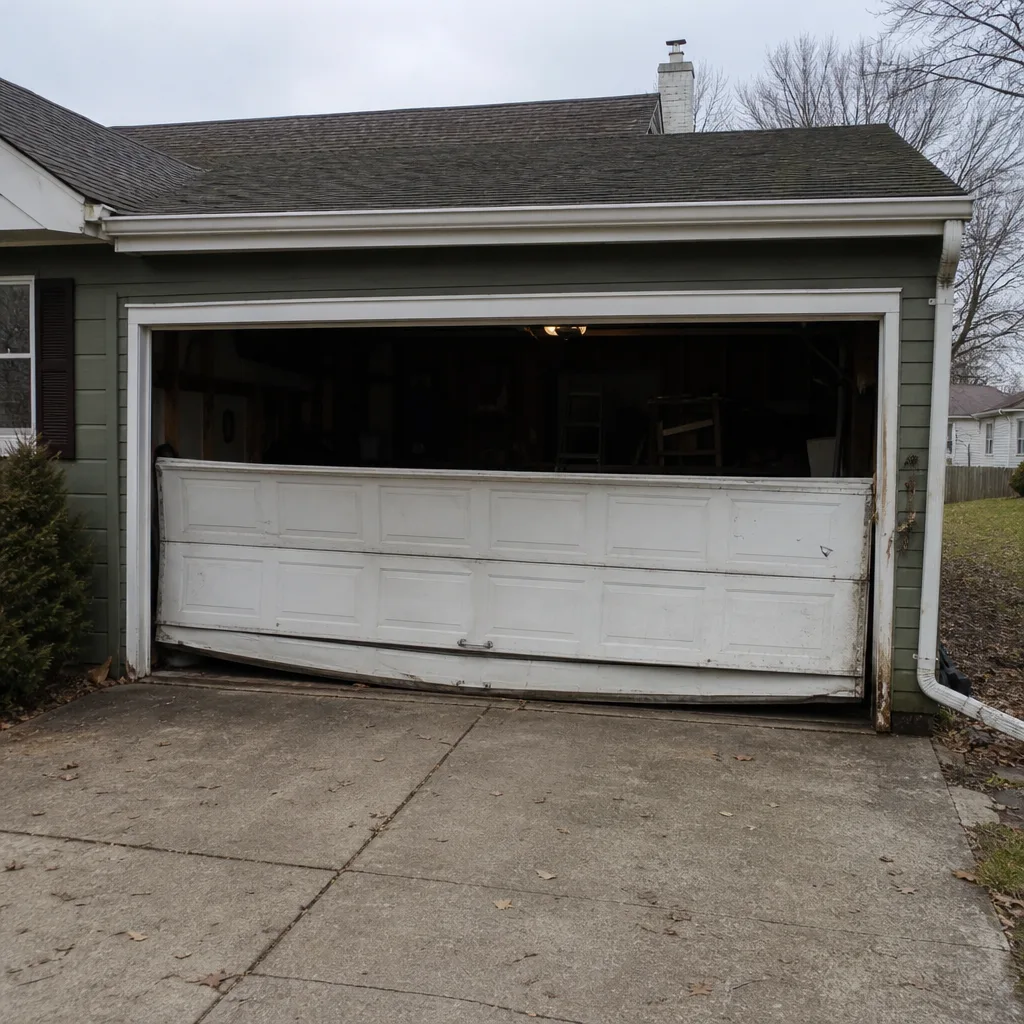 Before
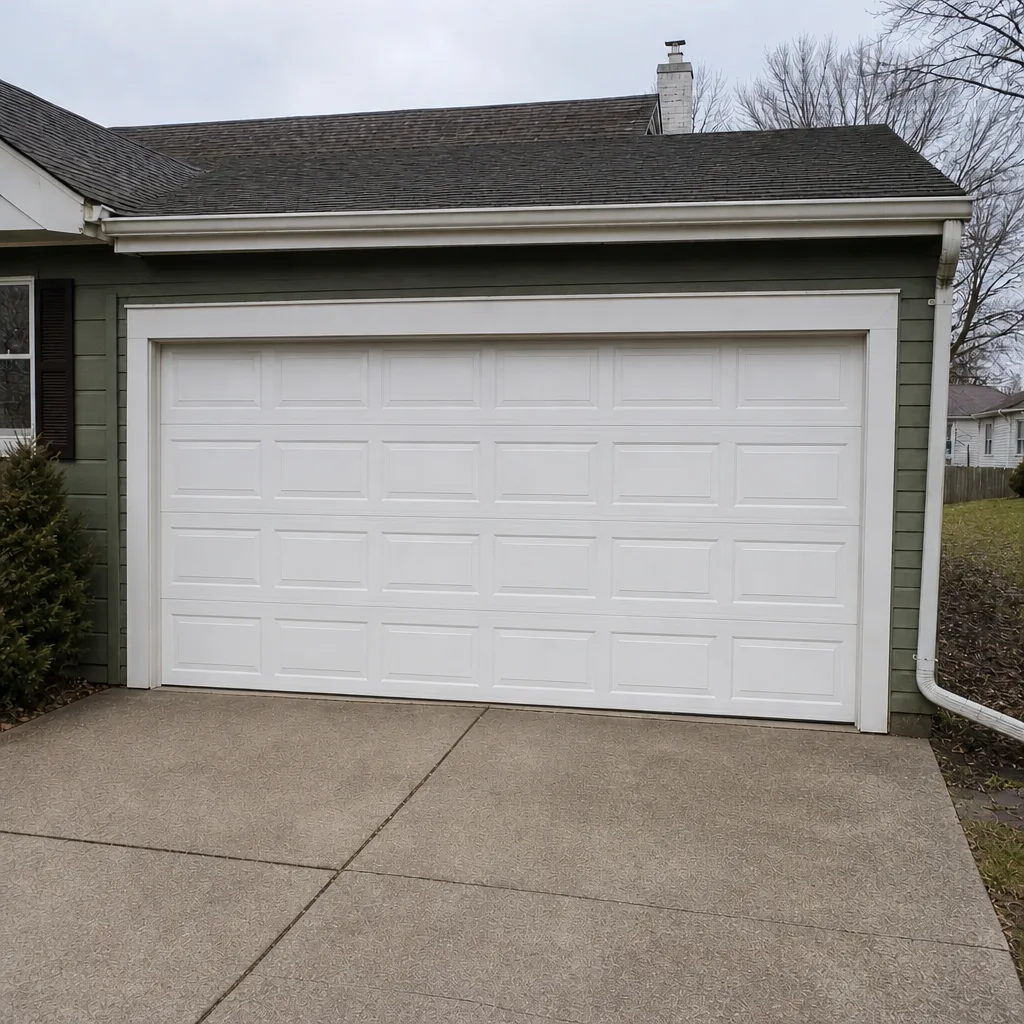 After
When to Consider a New Door Instead of a Repair
Sometimes the vetting question shifts from “who repairs this” to “should this be repaired at all.” Knowing when to replace helps you ask the right contractor the right question. Our technicians have up to 15 years of experience judging exactly this line, but the signs are ones any homeowner can recognize.
- Repeated spring or cable failures. If the same components keep failing, the door may be out of balance or the wrong weight for its hardware.
- Panel damage that compromises structure. A dented or cracked panel that affects the door’s rigidity is often a replacement decision, not a patch.
- Worn seals and poor insulation on an older door. In a cold-climate garage, an aging door with thin panels and tired seals is usually cheaper to replace than to keep repairing.
- Outdated opener paired with a failing door. When both are aging, replacing them together is more cost-effective than chasing repairs on each.
When replacement is the answer, ask about brand options and lead times. We work on nearly every major brand, so there’s no runaround about compatibility. If you’re leaning toward a new system, professional garage door installation handles the measure, order, and fit in one coordinated job rather than a patchwork of repairs.
Common Mistakes to Avoid
- Hiring on price alone. The lowest bid for spring or cable work is often the one that cuts corners on parts or safety. Compare itemized scopes, not just totals.
- Accepting a phone quote without a measurement. A price given before anyone sees the door is a guess. In Greater East Side, where door types vary block to block, it’s a guess that will change on site.
- Letting a general handyman touch springs or cables. These are high-tension components that demand specific training. A “taking a look” handyman is a safety risk on this part of the job.
- Not asking for proof of insurance. A contractor who can’t show coverage is shifting risk onto you. Ask, and expect a straight answer.
- Assuming a national franchise knows your door type. Fast dispatch doesn’t guarantee familiarity with the older extension-spring setups common in pre-1980 Greater East Side garages.
- Skipping the written estimate. Without an agreed, itemized quote before work starts, you’ve lost your protection against invoice shock.
- Forcing a door with a snapped spring. That can cause further damage or injury. Stop using the door and call a professional.
When to Call a Professional
Some garage door problems are safe to watch; others need a contractor now. Call a professional when a spring has snapped and the door won’t lift, when a cable is frayed or hanging, when the door jerks or reverses unpredictably, when the opener grinds or the door won’t stay down, or when you notice the door is visibly out of balance. The same applies if a panel has shifted or a track has bent, since a misaligned door strains the whole system. For straightforward opener troubleshooting, professional garage door opener repair tracks down the fault in the motor, sensor, or logic board without guesswork. If your door fails at an inconvenient hour, call rather than wait. Garage Door Repair Greater East Side offers free estimates in Greater East Side, and we can work with your insurer when a repair is the answer. Call (866) 989-9389.
Frequently Asked Questions
Typical garage door repair in Greater East Side is quoted per job after an assessment, because the price depends on the spring type, door weight, and parts needed. Spring work is priced per spring, and a matched pair is usually replaced together, so expect a pair to cost about twice a single spring. The written estimate sets the final price, agreed before work starts. Call (866) 989-9389 for an exact quote; estimates are free.
A real specialist names the specific brands they service, can explain the difference between torsion and extension springs, and measures your door before quoting. They also itemize parts and labor rather than giving a flat number over the phone. If any of those answers are vague, keep looking.
The price is settled in writing before any work begins, so the written estimate is the price you pay. An honest contractor assesses the door first, then quotes. That’s the protection against invoice shock, and it’s why we don’t quote springs or cables sight-unseen.
The local pro you work with is licensed and insured as their state requires, and should be able to show proof of coverage on request. Our technicians have up to 15 years of experience, and we work on nearly every major brand. Ask any contractor for their credentials before booking.
For a door that won’t open, a snapped spring, or a broken opener, we structure our service to respond when doors fail, because emergency garage door service is core to what we do. Call (866) 989-9389 and we’ll do our best to get a technician out quickly. Don’t force a door with a broken spring in the meantime.
Any competent specialist should service the widely installed residential brands, including opener makers like Chamberlain and Genie and door makers like Clopay and Amarr. We’re equipped on nearly every major brand, so there’s no compatibility runaround. Confirm your specific brand when you call.
The Bottom Line
Hiring a garage door contractor in Greater East Side comes down to a handful of habits: confirm the provider specializes in doors rather than general handyman work, ask the five interview questions, and insist on an itemized written quote you agree to before work starts. For spring and cable work especially, weigh total cost of ownership over the lowest bid, and never force a door with a snapped spring. The right contractor answers licensing and safety questions without flinching and knows older Greater East Side garages. When you’re ready, Garage Door Repair Greater East Side is here to help. Call (866) 989-9389 for a free estimate.
Written by the team at Garage Door Repair Greater East Side.